
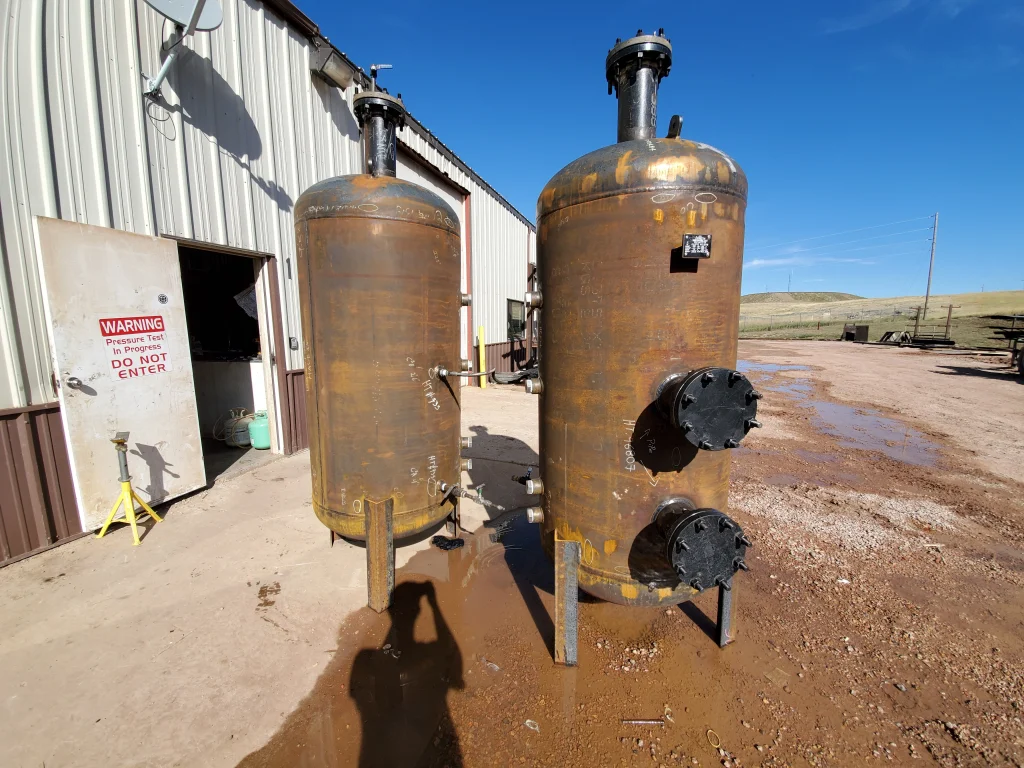
When a Pressure Vessel Fails: Unmasking the Consequences
Pressure vessels, often unseen, play a pivotal role in countless industries, from energy production to chemical processing. But what transpires when these robust containers meet their breaking point? Delve into the aftermath of pressure vessel failure and understand the ripple effects it can have.
The Immediate Impact: Explosive Release
A pressure vessel is designed to contain substances (usually gases or liquids) under significant pressure. When a vessel fails:
a. Rapid Release: The pressurized contents are expelled suddenly, leading to an explosive release. This can result in a shock wave, which can cause immediate physical damage to nearby structures and equipment.
b. Projectile Hazards: Parts of the vessel or its attachments can become projectiles, posing significant risks to nearby personnel and infrastructure.
Fire and Combustion Hazards
If the pressure vessel contains flammable substances:
a. Ignition Risk: The rapid release can lead to ignition, especially if there’s an ignition source nearby. This can result in fires or even explosions.
b. Toxic Fumes: Combustion can produce toxic fumes, posing inhalation risks to individuals in the vicinity.
Environmental Consequences
a. Spills and Leaks: If the vessel contains hazardous chemicals or pollutants, a failure can lead to environmental contamination, affecting soil, water sources, and air quality.
b. Long-term Impact: Some substances can have lasting environmental effects, leading to prolonged cleanup efforts and potential legal implications.
Economic Ramifications
a. Operational Downtime: A failed pressure vessel can halt operations, leading to significant production losses.
b. Repair and Replacement Costs: Beyond the vessel itself, there might be collateral damage to other equipment, all of which can be costly to repair or replace.
c. Liability and Compensation: If the failure results in injuries or environmental damage, companies might face legal actions and hefty compensation claims.
Human and Health Risks
a. Immediate Injuries: The explosive nature of a vessel failure can lead to injuries from the shock wave, flying debris, or fires.
b. Long-term Health Effects: Exposure to released chemicals or substances can have long-term health implications for those affected.
Reputational Damage
For companies, a pressure vessel failure can lead to:
a. Public Relations Crisis: Such incidents, especially if they result in environmental harm or loss of life, can attract negative media attention.
b. Loss of Trust: Customers, partners, and stakeholders might lose trust in the company’s ability to operate safely and responsibly.
Regulatory and Compliance Implications
a. Investigations: Regulatory bodies might launch investigations to determine the cause of the failure and assess whether there were any compliance lapses.
b. Penalties and Sanctions: Companies might face penalties, fines, or even operational sanctions if found in violation of safety and operational standards.
The failure of a pressure vessel is not just a technical malfunction; it’s an event with far-reaching consequences that can span from immediate physical harm to long-term economic and reputational damage. Understanding these implications underscores the importance of regular maintenance, stringent safety protocols, and continuous monitoring. In the realm of pressure vessels, prevention is not just better than cure; it’s essential.
The Domino Effect: Unraveling the Aftermath of Pressure Vessel Failure
Pressure vessels, often the unsung heroes in industrial settings, operate silently under immense pressure. But when they fail, the consequences can be both immediate and long-lasting. Let’s dissect the aftermath further.
The Physics Behind the Explosion
When a pressure vessel fails:
a. Energy Release: The energy stored in the pressurized contents is released suddenly. This is akin to a tightly coiled spring suddenly snapping, releasing all its stored energy at once.
b. Shock Waves: This rapid release generates shock waves that can travel at supersonic speeds, causing immediate structural damage to nearby objects and potentially leading to secondary explosions or failures.
The Thermal Aspect of Combustible Contents
If the vessel contains flammable materials:
a. Flash Fires: The sudden mix of combustibles with ambient air can lead to flash fires, which are intense, short-lived fires that can cause severe burns and injuries.
b. Explosions: If the released gas finds an ignition source and the surrounding environment has the right mix of oxygen, an explosion can occur, multiplying the destructive force manifold.
Environmental Aftermath
a. Ground Contamination: Liquid chemicals can seep into the ground, affecting groundwater sources and potentially entering the food chain.
b. Airborne Pollutants: Gaseous releases can lead to air pollution, affecting air quality and posing health risks to populations downwind.
The Human Toll
a. Trauma and PTSD: Beyond immediate physical injuries, survivors of such incidents can experience psychological trauma, leading to long-term mental health challenges.
b. Occupational Health Risks: Workers exposed to chemicals during a vessel failure might face long-term health issues, from respiratory problems to increased cancer risks.
The Economic Web
a. Insurance Claims: Companies might face increased insurance premiums post-incident, affecting their operational costs.
b. Supply Chain Disruptions: A halt in operations can disrupt supply chains, affecting not just the company in question but also its partners, suppliers, and customers.
The Ripple Effect on Industry Standards
a. Revised Regulations: Significant incidents can lead to a re-evaluation of industry standards and regulations, pushing for stricter safety measures.
b. Increased Scrutiny: Industries might face increased scrutiny and audits post a major incident, leading to operational challenges and potential slowdowns.
Community and Societal Impact
a. Evacuations: In the event of a significant release, especially of toxic substances, nearby communities might need to be evacuated, leading to displacement and societal challenges.
b. Trust Deficit: Such incidents can lead to a trust deficit between industries and the communities they operate in, leading to challenges in future expansions or operations.
In Retrospect
The failure of a pressure vessel is a multi-faceted event, with each consequence intricately linked to another. It’s a stark reminder of the interconnectedness of systems, processes, and communities. The emphasis, therefore, should always be on proactive measures, rigorous safety protocols, and a culture of continuous learning and improvement. In the high-stakes world of pressure vessels, there’s no room for complacency.
Note: While this article provides an in-depth exploration, it’s crucial to stay updated with the latest research, case studies, and industry best practices
Related Blog Post
Marine-Grade vs Standard Stainless Steel

Pros and Cons of Vertical Integration

How to Dry Desiccant Properly and Regain Its Effectiveness

Why Do Gas Turbines Need Fuel Water Separator Vessels, Red River

How Does a Gas Turbine Fuel Water Separator Vessel Work
- Innovations in Pressure Vessel Technology for the Water Industry
- Improving RO System Efficiency Pressure Vessels
- Trends in Sustainable Pressure Vessel Design for Water Treatment Systems
- Cost Analysis: Investing in a Quality Pressure Vessel for Water Treatment
- How Pressure Vessels Improve Efficiency in Commercial Water Systems
- Using Pressure Vessels in Industrial Water Treatment


