
How to Seal a Pressure Vessel Effectively

Introduction to Pressure Vessel Sealing
Proper sealing of pressure vessels is paramount, as it directly impacts the safety and functionality of these crucial components. Without effective sealing, pressure vessels can pose significant risks, including leaks, structural integrity issues, and even catastrophic failures. That’s why at Red River, we emphasize the importance of getting sealing right the first time.
Our commitment to safety and quality begins with understanding the implications of inadequate sealing. We’ll explore the potential consequences and why you should never compromise on sealing methods when it comes to pressure vessels.
Types of Pressure Vessels Requiring Sealing
Pressure vessels come in various shapes and sizes, designed to serve specific purposes across different industries. From massive industrial tanks to compact, specialized containers, each type requires unique sealing techniques to ensure optimal performance and safety.
In this section, we’ll walk you through the diverse array of pressure vessels that necessitate sealing. Whether it’s for the oil and gas sector, power generation, minerals and elements processing, biogas applications, or commercial and public works projects, we’ll explain the critical role sealing plays in each context.
Common Applications for Pressure Vessel Sealing
Pressure vessel sealing methods find applications in a wide range of industries, addressing various challenges and needs. We’ll delve into some of the common scenarios where sealing solutions are indispensable, demonstrating the versatility and adaptability of these techniques.
From containing volatile substances in the oil and gas industry to ensuring the safe operation of power generation facilities, sealing is a vital component of many industrial processes. By the end of this section, you’ll have a clearer understanding of why proper sealing is non-negotiable and how Red River LLC can be your trusted partner in achieving sealing excellence.
Key Considerations for Pressure Vessel Sealing
Material Selection for Sealing
The choice of sealing material is pivotal in preventing leaks and maintaining the structural integrity of your pressure vessel. We’ll delve into the various materials available and guide you in selecting the right one based on your vessel’s contents, temperature, and pressure requirements.
Temperature and Pressure Considerations
Temperature and pressure conditions can vary significantly across different applications. Understanding how these factors affect sealing is essential for longevity and safety. We’ll provide insights into how to match sealing methods with specific temperature and pressure requirements.
Environmental Factors Affecting Sealing
Environmental factors, such as exposure to corrosive substances, weather conditions, or extreme temperatures, can impact sealing effectiveness. Learn how to assess and mitigate these factors to ensure your pressure vessel remains sealed in any environment.
Pressure Vessel Sealing Techniques
Pressure vessel sealing techniques encompass a range of methods tailored to different applications and needs. In this section, we’ll explore these techniques, shedding light on their advantages and best practices.
Gasket Sealing Methods
Gaskets are commonly used for sealing, but selecting the right gasket and ensuring proper installation is critical. Discover the ins and outs of gasket sealing methods and how they can be optimized for your pressure vessel.
Choosing the Right Gasket Material
The choice of gasket material is pivotal in gasket sealing success. We’ll guide you through the selection process, considering factors such as material compatibility, temperature, and pressure, to ensure a reliable seal.
Installation and Maintenance
Proper installation and ongoing maintenance are essential for the longevity of gasket seals. Learn the best practices for installation and how to maintain your seals to prevent leaks and ensure safety.
Welding as a Sealing Method
Welding offers a robust sealing solution for pressure vessels when done correctly. Explore welding techniques specifically designed for pressure vessels, and understand the importance of weld inspection and quality assurance.
O-Ring and Sealant Applications
O-ring seals and sealants provide flexible and effective sealing solutions. Discover the advantages of using O-rings and sealants, and gain insights into selecting the right sealant material for your application.
Best Practices for Pressure Vessel Sealing
Pre-Installation Inspections
Before sealing, thorough pre-installation inspections are vital. We’ll guide you in conducting comprehensive assessments to identify potential issues and ensure that your vessel is ready for sealing.
Surface Preparation
Proper surface preparation is a foundational step for effective sealing. Learn how to prepare surfaces to optimize the bonding of gaskets, O-rings, or sealants, enhancing the overall performance of your pressure vessel seal.
Tightening Procedures
Accurate tightening procedures are essential to prevent leaks and maintain safety. We’ll provide guidance on the correct torque specifications and tightening methods to achieve consistent and reliable sealing.
Testing and Quality Control
Quality control measures are essential to verify the integrity of your seal. Discover how rigorous testing protocols and quality control procedures can ensure that your pressure vessel sealing meets or exceeds industry standards.
Leak Testing Methods
Detecting leaks early is crucial to prevent potential hazards. Explore various leak testing methods that can be employed to identify and address seal issues promptly, ensuring the safety of your pressure vessel.
Non-Destructive Testing (NDT)
Non-destructive testing methods are invaluable for assessing the condition of pressure vessel seals without compromising their integrity. Learn how NDT techniques can help identify defects and potential failure points.
Maintenance and Seal Replacement
Ongoing maintenance is essential to extend the life of your pressure vessel seal. We’ll outline maintenance best practices and when it becomes necessary to replace a seal to prevent unexpected failures.
Signs of Seal Degradation
Recognizing the signs of seal degradation is crucial for preemptive action. We’ll detail the common indicators of seal wear and deterioration, helping you address issues before they escalate.
Seal Replacement Procedures
When it’s time to replace a seal, following the correct procedures is vital. Gain insights into the step-by-step process of seal replacement to ensure a seamless transition and maintain the safety of your pressure vessel.
Safety Considerations in Pressure Vessel Sealing
Handling Hazardous Materials
Handling hazardous materials in pressure vessel sealing requires meticulous care and adherence to safety protocols. We understand the potential risks associated with these substances and are dedicated to minimizing them. We’ll guide you through best practices for safely managing and transporting hazardous materials, reducing the likelihood of accidents or environmental harm.
Personal Protective Equipment (PPE)
Protecting the individuals involved in pressure vessel sealing is non-negotiable. Our commitment to safety extends to ensuring that the right Personal Protective Equipment (PPE) is used at all times. We’ll detail the essential PPE required for different sealing scenarios, emphasizing the importance of proper usage to prevent injuries and exposure to hazardous substances.
Emergency Response Protocols
Even with meticulous planning and safety measures, emergencies can occur. That’s why we’ve developed comprehensive emergency response protocols to address unforeseen situations swiftly and effectively. Our protocols encompass everything from immediate response to containment and communication strategies. By implementing these protocols, we can minimize the impact of emergencies and prioritize the safety of all stakeholders.
Environmental Impact and Regulatory Compliance
Environmental Regulations for Sealing
Pressure vessel sealing is subject to a complex web of environmental regulations. We take pride in our comprehensive understanding of these regulations and our unwavering commitment to compliance. We’ll walk you through the specific environmental regulations that pertain to sealing and explain how our practices align with them. Rest assured that when you choose Red River LLC, you’re choosing a partner dedicated to environmentally responsible operations.
Sustainable Sealing Solutions
Sustainability is at the core of our business philosophy. We’re committed to offering sustainable sealing solutions that not only meet your needs but also reduce your environmental footprint. Discover how our sustainable practices, including materials selection and waste reduction, contribute to a greener future while maintaining sealing effectiveness.
Compliance Auditing and Reporting
Our commitment to regulatory compliance goes beyond words; it’s backed by a robust auditing and reporting system. We regularly audit our processes to ensure that they align with environmental regulations and industry standards. Our transparent reporting practices provide you with the assurance that we’re not just meeting but exceeding compliance requirements.
Red River's Expertise in Pressure Vessel Sealing
Our Specialized Sealing Services
At Red River, we recognize that pressure vessel sealing is not a one-size-fits-all endeavor. We offer specialized sealing services tailored to the unique requirements of each project. Whether you need sealing for industrial tanks, power generation equipment, or specialized containers, we have the expertise and technology to deliver. Explore the breadth and depth of our sealing capabilities and see how we can customize solutions to meet your exact needs.
Case Studies and Success Stories
Our track record speaks volumes about our competence and commitment. In this section, we present real-world case studies and success stories that highlight our achievements in pressure vessel sealing. Discover how we’ve overcome challenges, exceeded client expectations, and ensured the safety and reliability of pressure vessels across various industries.
Contact Us for Your Sealing Needs
When you choose Red River LLC, you’re choosing a partner dedicated to your success. If you have pressure vessel sealing needs, we’re here to help. In this section, you’ll find easy ways to get in touch with our experts. Whether you’re ready to discuss a project, request a quote, or simply have questions, we invite you to reach out. With Red River, you’re not just a client; you’re a valued partner, and we’re committed to delivering sealing solutions that meet and exceed your expectations. Contact us today and experience the Red River difference for yourself.
Conclusion
Importance of Professional Sealing Services
The importance of professional sealing services cannot be overstated. Inadequate sealing can lead to catastrophic consequences, jeopardizing not only your operations but also the safety of your personnel and the environment. By partnering with experts like Red River LLC, you gain access to specialized knowledge, cutting-edge technology, and a commitment to excellence that ensures your pressure vessel sealing is not just functional but also reliable and safe.
Enhance Safety and Efficiency with Red River
At Red River, we’re more than just a service provider; we’re a dedicated partner invested in your success. Our focus on safety, quality, compliance, and sustainability sets us apart as an industry leader. By choosing Red River for your pressure vessel sealing needs, you’re not only enhancing safety and efficiency but also securing a partner who understands your industry, shares your values, and is committed to delivering solutions that surpass your expectations.
Need a reliable partner?
FAQs About Pressure Vessel Sealing
What are the key considerations when selecting a sealing method for pressure vessels?
Choosing the right sealing method for pressure vessels is crucial. Factors like the vessel’s contents, pressure, temperature, and intended use all play a role. Consulting with experts like Red River LLC can help you make informed decisions tailored to your specific needs.
What is the role of gaskets in pressure vessel sealing?
Gaskets are essential components in pressure vessel sealing. They create a barrier between mating surfaces, preventing leaks. The choice of gasket material and proper installation are critical to achieving an effective seal.
How do O-ring seals enhance pressure vessel integrity?
O-ring seals offer excellent sealing capabilities due to their flexibility and resilience. They are commonly used in pressure vessels to prevent leaks, and their advantages include resistance to a wide range of temperatures and chemicals.
What are the advantages of prefabrication in pressure vessel manufacturing?
Prefabrication offers several benefits, such as improved quality control, reduced construction time, and lower costs. It allows for consistent manufacturing in controlled environments, minimizing errors caused by external factors.
What types of non-destructive testing (NDT) are used to assess pressure vessel seals?
Various NDT methods, including ultrasonic testing, radiographic testing, and magnetic particle testing, are employed to assess pressure vessel seals without compromising their integrity. These techniques help identify defects and ensure the seal’s reliability.
Related Blog Post
- How often are pressure vessels inspected?
- How do I get an ASME stamp?
- Do all pressure vessels need PSV?
- What is the CSA for pressure vessels?
- How do you classify a pressure vessel?
- Do all pressure vessels need to be inspected?
- What are the requirements for ASME pressure vessel testing?
- What is the code for pressure vessel inspection?
Solutions
In the realm of industrial solutions, Red River emerges as a pioneer, offering a diverse range of custom-engineered products and facilities. Among our specialties is the design and production of Custom/OEM Pressure Vessels, meticulously crafted to meet individual client requirements, ensuring performance under various pressure conditions. Our expertise extends to the domain of prefabrication, where Red River leads with distinction.
The company excels in creating prefabricated facilities, modules, and packages, reinforcing its stance as a forerunner in innovation and quality. This proficiency is further mirrored in their Modular Skids offering, where they provide an array of Modular Fabricated Skid Packages and Packaged equipment. Each piece is tailored to client specifications, underlining their commitment to delivering precision and excellence in every project they undertake.


Related Blog Post
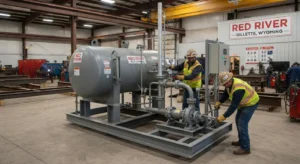
Can Condensate Storage Improve Reliability?
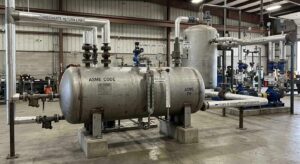
Where Do Condensate Tanks Fit in a Steam System?
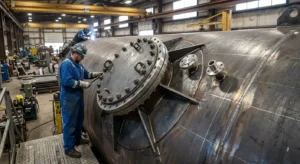
Which Nozzles Simplify Maintenance on Pressure Vessels?
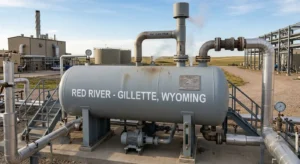
How to Vent Condensate Tanks in Steam Systems
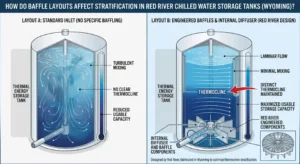
How Do Baffle Layouts Affect Stratification in TES Tanks?
No subpillar set for this blog post.
About Author