
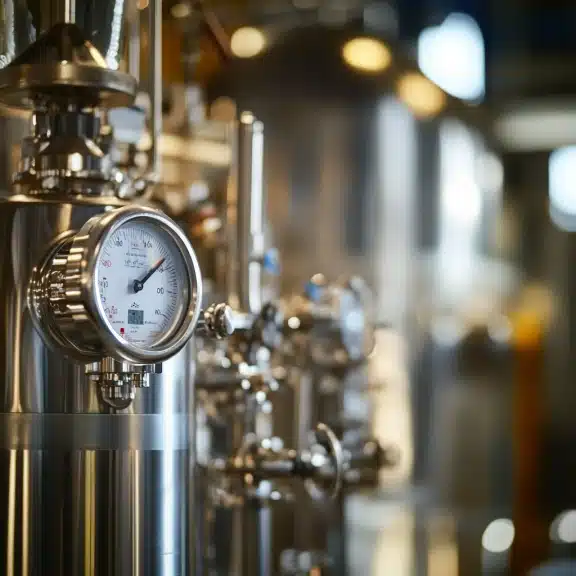
Cryogenic distillation pressures are crucial for optimizing efficiency, purity, and control in industrial gas separation processes. Pressure impacts boiling points, separation quality, and energy use. Mastering pressure dynamics like control strategies, system design, and recent tech advances can dramatically boost performance and reliability. This guide covers key factors, challenges, and solutions for managing pressure in cryogenic systems.
Cryogenic Distillation Pressures: Fundamentals for Optimized Performance
Cryogenic distillation pressures play a critical role in ensuring efficiency and control in industrial processes. Understanding its basics can help optimize performance and improve outcomes. Understanding cryogenic distillation pressures is essential for optimizing industrial processes, as it directly impacts efficiency, purity, and performance. Pressure serves as an essential parameter in cryogenic distillation, influencing the boiling points of various components inside a mixture. For example, by adjusting pressure stages, it becomes possible to reap the desired separation efficiency and purity of merchandise. Therefore, understanding the role of pressure is critical for optimizing performance.
Key Factors Affecting Cryogenic Distillation Pressures
Several elements affect pressure dynamics in cryogenic distillation systems, such as temperature, composition of the feed mixture, and device design. In addition, external environmental conditions may further influence these dynamics. Thus, understanding these elements is important for optimizing distillation’s overall performance. For further insights, explore our guide to cryogenic tank insulation and liquid nitrogen vessel pressure.
Optimizing Efficiency in Industrial Processes
Optimizing Efficiency in Cryogenic Distillation Pressures Processes
Identifying the gold standard pressure range is vital for maximizing the efficiency of cryogenic distillation techniques. Through rigorous experimentation and evaluation, engineers can pinpoint the pressure situations that yield excellent outcomes for particular programs. For instance, maintaining a steady pressure range often leads to greater product consistency. Learn more about optimizing pressure systems in our comprehensive guide to pressure vessel design.
Impact of Pressure on Efficiency and Purity
The pressure exerted in cryogenic distillation immediately affects the performance of separation and the purity of the ensuing products. As a result, fine-tuning pressure parameters permits more desirable method control and advanced product quality. Moreover, proper calibration reduces energy consumption, benefiting the overall process. For detailed pressure management strategies, check our pressure vessel inspection guide.
Managing Pressure Variations in Cryogenic Distillation
Techniques for Controlling Pressure
Effective pressure management techniques are crucial for retaining balance and consistency in cryogenic distillation operations. Various strategies, such as valve regulation and device tracking, are employed to manipulate pressure variations. Learn more about controlling pressure systems in our pressure vessel failure guide.
Challenges in Maintaining Consistent Pressure
Despite advances in technology, cryogenic distillation systems face demanding situations in attaining and maintaining constant pressure ranges. Factors consisting of system put on, technique fluctuations, and environmental conditions can pose limitations to pressure control. Dive deeper into managing failure risks with our guide to the most common pressure vessel material failures.
Strategies for Addressing Pressure Fluctuations
Implementing proactive measures to deal with pressure fluctuations is critical for ensuring the reliability and performance of cryogenic distillation procedures. By employing sturdy manipulation systems and predictive renovation practices, operators can mitigate the impact of pressure variations.
Equipment and Technology for Cryogenic Distillation Pressures
Innovations in Pressure Regulation Technology
Advancements in pressure regulation technology continue to power upgrades in cryogenic distillation efficiency and protection. From advanced manipulation algorithms to innovative valve designs, these improvements decorate precision and reliability in pressure management.
Considerations for Selecting Pressure Control Systems
When selecting pressure manipulation systems for cryogenic distillation programs, several elements should be considered, such as reliability, scalability, and compatibility with current infrastructure. By comparing these issues, stakeholders can make knowledgeable choices to optimize technique performance. For system design insights, refer to our pressure vessel design standards.
Partner with Red River for Advanced Cryogenic Distillation Solutions
At Red River, we specialize in designing and manufacturing high-quality pressure vessels and associated equipment such as prefabricated spools and skid packages. Let us help optimize your cryogenic distillation processes with precision pressure control systems tailored to your needs.
Contact us today to learn how we can enhance your system’s efficiency and reliability. Experience the Red River difference, where innovation and American values meet.
Frequently Asked Questions
1. What are the everyday pressure tiers utilized in cryogenic distillation?
Cryogenic distillation tactics regularly operate at pressures starting from atmospheric pressure to numerous hundred bars, relying on the specific application and the additives being separated. The gold standard pressure variety is determined primarily based on factors together with the boiling factors of the components, the favored separation performance, and the device design.
2. How does pressure affect the performance of cryogenic distillation?
Pressure performs a critical function in cryogenic distillation by affecting the boiling points of the additives being separated. Higher pressures generally result in lower boiling points, which could improve the performance of the distillation method by lowering the power required for vaporization. However, excessively excessive pressures may also cause elevated device fees and operational complexities.
3. What are the key issues for dealing with pressure versions in cryogenic distillation?
Managing pressure variations in cryogenic distillation requires careful plans and manipulation strategies. Some key concerns include implementing strong pressure control structures, tracking device overall performance frequently, and retaining the right maintenance protocols. Additionally, understanding the factors that contribute to pressure fluctuations, along with temperature adjustments and feed composition variations, is vital for effective pressure control.
4. How do improvements in pressure regulation technology affect cryogenic distillation methods?
Advancements in pressure regulation generation, along with advanced control algorithms and innovative valve designs, have considerably advanced the efficiency and reliability of cryogenic distillation methods. These technologies allow for extra particular manipulation of pressure parameters, resulting in more advantageous procedure overall performance, reduced electricity intake, and stepped forward product first-class.
5. What safety precautions need to be taken while coping with high pressures in cryogenic distillation?
When operating with excessive pressures in cryogenic distillation, it’s crucial to prioritize protection at all times. This consists of enforcing proper training for employees, conducting ordinary device inspections, and following strict protection protocols. Additionally, making sure the integrity of pressure vessels and different critical components is critical for stopping accidents and minimizing risks to personnel and the environment.
Key Takeaways
- Pressure is fundamental in cryogenic distillation, directly affecting boiling points, separation efficiency, and product purity.
- Optimal pressure ranges vary by application and must be identified through testing for maximum efficiency.
- Consistent pressure control is vital. Fluctuations can degrade product quality and increase energy costs.
- Modern pressure regulation technologies, like advanced valves and control algorithms, significantly improve reliability and precision.
- Effective pressure management includes proactive maintenance, real-time monitoring, and system design considerations.
- Safety is critical when dealing with high pressures ensure proper training, inspections, and equipment integrity.
Related Blog Post
Can Condensate Storage Improve Reliability?
Where Do Condensate Tanks Fit in a Steam System?
Which Nozzles Simplify Maintenance on Pressure Vessels?
How to Vent Condensate Tanks in Steam Systems
How Do Baffle Layouts Affect Stratification in TES Tanks?
About Author



