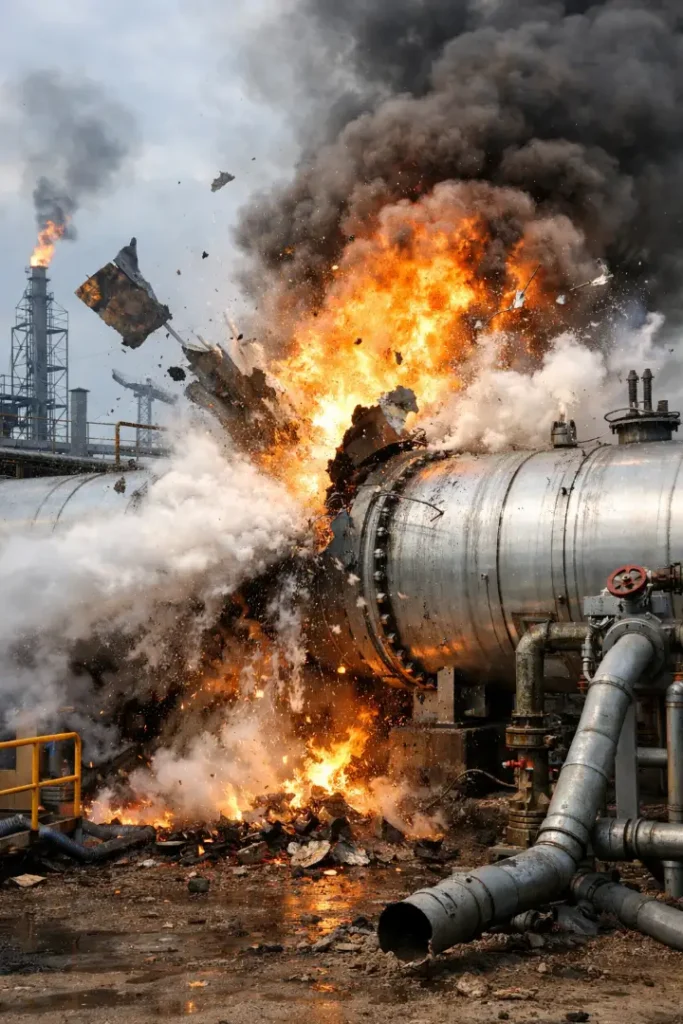
Pressure-related hazards common in industries like oil & gas and energy stem from equipment failure, explosive releases, or human error. This guide explains the science behind these risks, how to prevent them, and the OSHA regulations that govern pressure system safety. Learn best practices for inspections, equipment maintenance, staff training, and emergency planning. Includes real-world case studies, a compliance checklist, and FAQs to help you stay safe and compliant.
Introduction: Pressure-Related Hazards in Industrial Systems
Pressure-related hazards in industrial environments, especially in oil & gas, energy, and biogas sectors, can cause catastrophic failures, explosions, or compliance violations. These risks often stem from pressurized vessel breaches, equipment failures, or human error. Understanding these hazards is critical for workplace safety, legal compliance, and operational efficiency. Learn more about how pressure vessels work in boilers and their role in industrial safety.
How Red River Addresses Pressure-Related Hazards
At Red River, safety is not just a policy, it is the cornerstone of our operations. While meeting ASME requirements is essential, we strive to exceed them. Our commitment to protection is evident in every step, from initial design to the final product. For insight into our approach, see understanding-pressure-vessel-hazards.
Overview of Pressure-Related Hazards
Causes of Pressure System Failures: Engineering & Physics
Pressure vessel failures are typically due to material fatigue, thermal expansion, over-pressurization, or design flaws. Understanding the physical forces and operational stressors behind these incidents is key to prevention. Pressure-associated risks in commercial settings stem from the immense forces that fluids or gases can exert. When poorly controlled, these forces can result in catastrophic failures. For a deeper dive, explore pressure-vessel-failure-mechanisms.
Common Misconceptions About Pressure-Related Risks
A common misconception is that only excessive-pressure systems pose significant risks. However, even lower-pressure systems can be hazardous. Therefore, recognizing the potential dangers of all pressure systems is essential.
First Major Hazard: Explosive Releases
Understanding Explosive Force in Pressure Systems
Explosive releases occur when a sudden rupture in a pressure system unleashes stored energy rapidly. This can result in devastating blasts. Historical incidents highlight the need for robust protection protocols. Red River emphasizes measures like routine inspections and advanced safety equipment to mitigate these risks.
Case Studies: Explosive Incidents and Their Impact
Historical incidents, such as boiler explosions or pressurized tank ruptures, highlight the destructive potential of explosive releases. Consequently, these examples underscore the importance of robust protection protocols to prevent similar occurrences.
Preventative Measures for Explosive Releases
Preventative measures include routine inspections, adherence to safety standards, and comprehensive training. By implementing these practices, the threat of explosive incidents can be significantly reduced.
Second Major Hazard: Equipment Failure
Causes of Equipment Failure in High-Pressure Systems
Equipment failure in high-pressure systems can stem from material fatigue, corrosion, or inadequate protection. Understanding these causes is fundamental to preventing failures. See materials used in air receivers for guidance on selecting durable components.
Real-Life Examples of Equipment Failure
Analyzing real-life examples of system failure provides valuable insights into capability vulnerabilities and emphasizes the importance of rigorous maintenance practices.
Best Practices for Equipment Maintenance
Adopting best practices in equipment maintenance, including regular inspections and the use of appropriate materials, is crucial for ensuring the safety and durability of pressure systems.
Third Major Hazard: Human Error
Human Factors & Awareness in Pressure Hazards
Many incidents arise from preventable human error. Lack of training, poor hazard awareness, or procedural non-compliance increases risk. Establishing a strong safety culture and empowering teams to recognize warning signs is critical. Our ultimate guide to welding safety practices highlights how proper training reduces human error.
Training and Safety Protocols to Mitigate Human Error
Implementing comprehensive training programs and safety protocols can significantly reduce the risk of incidents caused by human mistakes.
Case Studies: Human Error Leading to Incidents
Examining case studies where human error led to critical incidents highlights the importance of education and strict adherence to safety standards.
Legal and Safety Regulations
Understanding OSHA Standards for Pressure Safety
Familiarity with OSHA standards is essential for all individuals involved in the operation or maintenance of pressure systems. These rules are designed to ensure safe working conditions and prevent avoidable accidents.
Compliance and Legal Implications for Businesses
Non-compliance with safety guidelines can result in severe legal consequences. Adhering to regulations is both a legal and moral responsibility. For detailed guidance, review ASME-certified pressure vessels.
Risk Assessment and Management
Pressure Vessel Safety Checklist (OSHA & ASME Aligned)
Confirm vessel design matches application use
- Perform ultrasonic wall thickness testing
- Verify pressure relief valves are functioning
- Review operator training certifications
- Check for corrosion, fatigue, or leaks
- Log all inspections in a compliance register
Conducting Effective Risk Assessments
Effective risk assessments are the first step in identifying potential hazards in pressure systems. These evaluations must be thorough, regularly updated, and actionable.
Strategies for Managing Identified Risks
Once risks are identified, implementing strategies to manage them becomes essential. This includes consistent safety measures, employee training, and updating safety protocols as needed.
Red River Approach to Risk Management
Red River combines cutting-edge technology, specialized expertise, and continuous improvement in safety practices. Learn more about understanding pressure vessels and how risk is managed.
Safety Equipment and Technology
Advanced Safety Equipment for Pressure-Related Hazards
In the field of pressure protection, advanced safety equipment plays a critical role. Red River provides state-of-the-art safety tools specifically designed to mitigate the risks associated with pressure systems, ensuring a safer operational environment.
Technological Innovations in Pressure Safety
Technological advancements have transformed pressure safety. At Red River, we leverage modern technology, from automated monitoring systems to advanced diagnostic tools, to enhance safety measures.
Choosing the Right Equipment for Your Needs
Selecting the appropriate safety equipment is critical. We assist our customers in identifying tools that best align with their specific requirements, considering factors like system pressure, materials, and operational conditions.
Training and Education for Employees
Essential Training Programs for Pressure Safety
Effective education is the foundation of pressure system safety. Red River LLC offers comprehensive training programs covering everything from basic safety protocols to advanced operational techniques.
Red River Customized Training Solutions
We recognize that every team has unique needs. That’s why we deliver customized training solutions tailored to address the specific requirements of your organization and industry.
The Impact of Continuous Learning on Safety
Continuous learning is essential for maintaining high safety standards. Our ongoing training programs ensure that personnel remain updated on the latest safety practices and technologies.
Emergency Response and Preparedness
Developing an Effective Emergency Response Plan
An effective emergency response plan is vital for managing pressure-related incidents. Red River assists in creating comprehensive plans that are practical, efficient, and industry-specific.
Case Studies: Successful Emergency Responses
Learning from effective emergency responses provides valuable insights. We share case studies that highlight impactful techniques and lessons learned from real-world incidents.
Red River Role in Emergency Preparedness
Our role extends beyond manufacturing. In addition, we actively participate in emergency preparedness to ensure our clients are equipped.
The Future of Pressure Safety
Emerging Trends in Pressure Safety
Staying ahead of emerging trends is essential for future-proofing safety measures. Red River is at the forefront, continuously exploring advancements in pressure protection technologies.
Innovations and Future Challenges
We are committed to innovation, constantly seeking solutions to future challenges in pressure safety. Our dedication ensures that customers remain prepared with cutting-edge tools and practices.
Red River Commitment to Future Safety Solutions
Our commitment to safety is unwavering. Red River leads the way in developing and implementing advanced safety solutions for the pressure vessel industry.
Ensure Safety, Compliance, and Peace of Mind
Partner with Red River to protect your team and operations from pressure-related hazards. From custom-designed pressure vessels to advanced safety equipment, comprehensive training, and emergency preparedness solutions, we deliver the expertise and tools you need to stay safe, compliant, and efficient.
Contact us today and see how Red River’s American-made quality and safety-first approach can safeguard your industrial operations.
Frequently Asked Questions
1. What are the most common materials used in pressure vessel construction and why?
Pressure vessels are commonly built using materials that resist high pressures and temperatures. For instance, carbon steel is favored for its durability and cost-effectiveness, while stainless steel is valued for its corrosion resistance. Moreover, alloys like nickel and aluminum are used for specific properties, such as nickel’s ability to withstand high temperatures or aluminum’s lightweight nature.
2. How do pressure vessels handle extreme temperatures and pressures?
Pressure vessels are designed with thick walls and coatings to manage extreme conditions. In addition, they often use materials like stainless steel or specialized alloys to maintain structural integrity under high temperatures and pressures. Furthermore, advanced manufacturing techniques, including precision welding, enhance their robustness.
3. What are the key safety features integrated into modern pressure vessels?
Modern pressure vessels include essential safety features such as pressure relief valves, which release excess pressure when it exceeds safe limits, and rupture disks that act as fail-safes. Additionally, these vessels incorporate monitoring systems for pressure and temperature. As a result, regular inspections and maintenance ensure these features function effectively.
4. Can pressure vessels be custom-designed for specific industrial applications?
Yes, pressure vessels can be tailored to meet specific industrial requirements. For example, customization can address factors like size, material type, and operational constraints. Moreover, additional features, such as heating or cooling jackets, can be integrated to suit unique applications.
5. What is the lifespan of a pressure vessel and what factors influence it?
The lifespan of a pressure vessel depends on various factors, including the quality of materials, the manufacturing process, and operating conditions. Furthermore, regular maintenance and adherence to safety protocols play a critical role in ensuring longevity. In general, a well-maintained pressure vessel can last for several decades.
Key Takeaways
- Pressure system failures can result from equipment fatigue, explosive force, or human error each requires targeted prevention strategies.
- Even low-pressure systems pose serious risks; all pressure vessels must be regularly inspected and maintained.
- OSHA compliance (29 CFR 1910.169) is not optional; violations carry legal and financial consequences.
- Preventative maintenance, safety training, and clear emergency response plans significantly reduce incident rates.
Related Blog Post
Which NDE Methods Apply to Surge Tanks?
How Do Surge Tanks Protect Pumps and Valves?
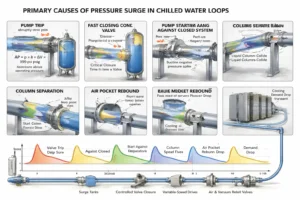
What Causes Pressure Surge in Cooling Loops?
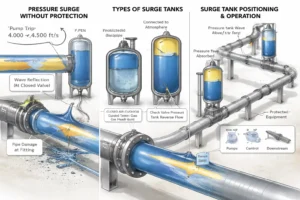
Surge Tanks for Industrial and Process Systems
- How to Conduct a Pressure Vessel Inspection in Water Treatment Facilities
- Safety Guidelines for Operating Water Pressure Vessels
- Standard Pressure Vessel Inspection Procedures in U.S. Plants
- Non-Destructive Testing (NDT) Methods for Pressure Vessel Safety
- OSHA pressure vessel: Safety Requirements for compliance
- Comprehensive Guide to Controlling Pressure Hazards
About Author