
Vessel operators serve a crucial role in the maritime industry, ensuring the safe and efficient operation of ships across global waters. Their responsibilities are extensive and diverse, making them essential for the success of any maritime operation. From navigating complex shipping routes to managing cargo operations, vessel operators form the backbone of international maritime logistics and trade.
The global maritime industry relies heavily on skilled vessel operators to maintain operational efficiency and safety standards. Their expertise in navigation, cargo handling, and crew management ensures that goods worth billions of dollars are transported seamlessly across international waters. Without qualified vessel operators, the maritime industry would face significant challenges in maintaining safe, efficient, and compliant operations that keep global trade flowing.
One of the primary duties of a vessel operator is to plan and execute safe and efficient shipping routes. This involves analyzing weather conditions, maritime traffic patterns, port schedules, and other critical factors to ensure timely and secure voyages. Accurate navigation and strategic route planning are essential for avoiding delays, minimizing fuel costs, and reducing operational risks at sea.
Vessel operators oversee the safe loading, unloading, and management of cargo throughout the voyage. This includes ensuring that cargo is properly secured and balanced to prevent shifting during transit, coordinating with port authorities, and maintaining detailed cargo documentation. Effective cargo handling is crucial for preventing damage, ensuring vessel stability, and guaranteeing the secure transport of goods.
Safety remains paramount in maritime operations, and vessel operators play a key role in maintaining the highest safety standards. They ensure that all safety protocols are followed, conduct regular vessel inspections, and maintain compliance with international maritime regulations such as SOLAS (Safety of Life at Sea) and MARPOL conventions. This commitment to safety helps prevent maritime accidents and ensures the well-being of crew members and vessel integrity.
Managing a ship’s crew is another essential responsibility of vessel operators. They coordinate daily operations, ensure clear communication between departments, manage work schedules, and address operational issues that arise during voyages. Effective crew management is vital for maintaining a productive, safe, and harmonious working environment aboard the vessel.
Continuous training and certification are essential for vessel operators to stay current with evolving maritime regulations, safety protocols, and technological advancements. Many operators pursue additional certifications in specialized areas such as hazardous cargo handling, emergency response, or specific vessel types to enhance their career prospects and operational expertise.
Modern vessel operators must stay informed about industry best practices, including environmental protection measures, fuel efficiency optimization, and digital navigation technologies. This ongoing education ensures they can adapt to changing maritime industry demands while maintaining the highest standards of safety and operational excellence.
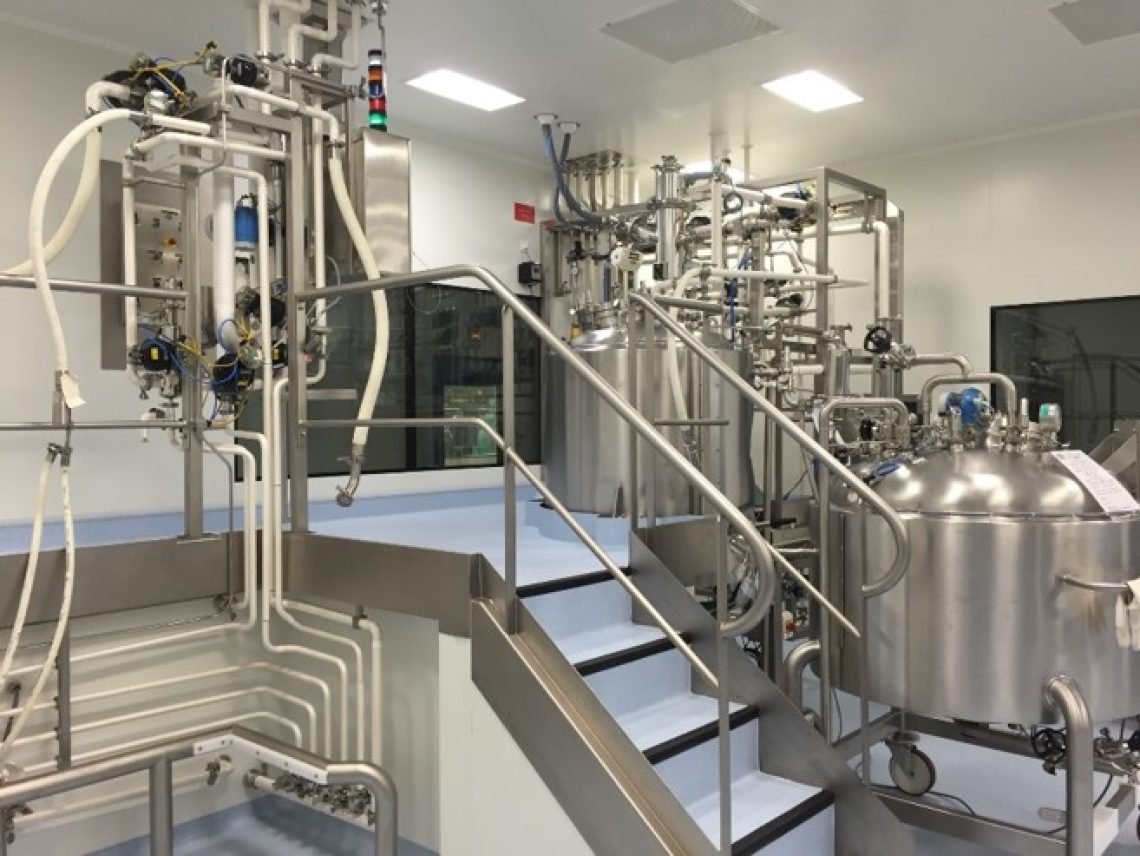
Red River specializes in the design and manufacturing of pressure vessels. We also fabricate related items such as prefabricated spools and skid packages.
Reach out to us today and experience the Red River difference. Where American-made products and American Values come together, we care more.
Vessel operators typically need a combination of formal education, maritime training, and professional certifications. Most operators begin with a maritime academy degree or equivalent education in marine engineering, navigation, or maritime operations. Essential certifications include the Standards of Training, Certification, and Watchkeeping (STCW) for Seafarers, along with regional and international maritime certifications. Continuous professional development is crucial to maintain current safety protocols and adapt to technological advancements in the maritime industry.
Marine vessel operators play a critical role in ensuring ships comply with environmental regulations and sustainability standards. This involves monitoring emissions, managing waste disposal systems, and ensuring vessels adhere to protocols such as the International Maritime Organization’s (IMO) MARPOL guidelines. Operators must stay updated with evolving environmental regulations and implement best practices to minimize the environmental impact of maritime operations.
Vessel operators encounter various operational challenges, including adverse weather conditions, equipment malfunctions, and navigating through congested or hazardous waters. They must be prepared to handle emergencies such as fires, medical situations, or security threats. Strong problem-solving skills, quick decision-making abilities, and the capacity to remain calm under pressure are essential qualities for successfully overcoming these maritime challenges.
Effective verbal exchange is essential for vessel operations. Operators use diverse equipment, consisting of radios, satellite communications, and inner conversation systems, to coordinate with the crew and external entities like port authorities and different ships. They ensure that all group contributors are informed approximately the voyage plan, protection protocols, and any changes that arise throughout the adventure.
Technological advancements have appreciably converted vessel operations. Modern ships are prepared with advanced navigation structures, automated monitoring tools, and virtual communique structures. Technologies like GPS, AIS (Automatic Identification Systems), and ECDIS (Electronic Chart Display and Information System) have better navigation accuracy and protection. Additionally, automation and remote monitoring are decreasing the need for guide interventions, making operations greater efficient.
In the realm of industrial solutions, Red River emerges as a pioneer, offering a diverse range of custom-engineered products and facilities. Among our specialties is the design and production of Custom/OEM Pressure Vessels, meticulously crafted to meet individual client requirements, ensuring performance under various pressure conditions. Our expertise extends to the domain of prefabrication, where Red River leads with distinction.
The company excels in creating prefabricated facilities, modules, and packages, reinforcing its stance as a forerunner in innovation and quality. This proficiency is further mirrored in their Modular Skids offering, where they provide an array of Modular Fabricated Skid Packages and Packaged equipment. Each piece is tailored to client specifications, underlining their commitment to delivering precision and excellence in every project they undertake.


