Where Are Molecular Sieves Used? Understanding Their Applications and Benefits
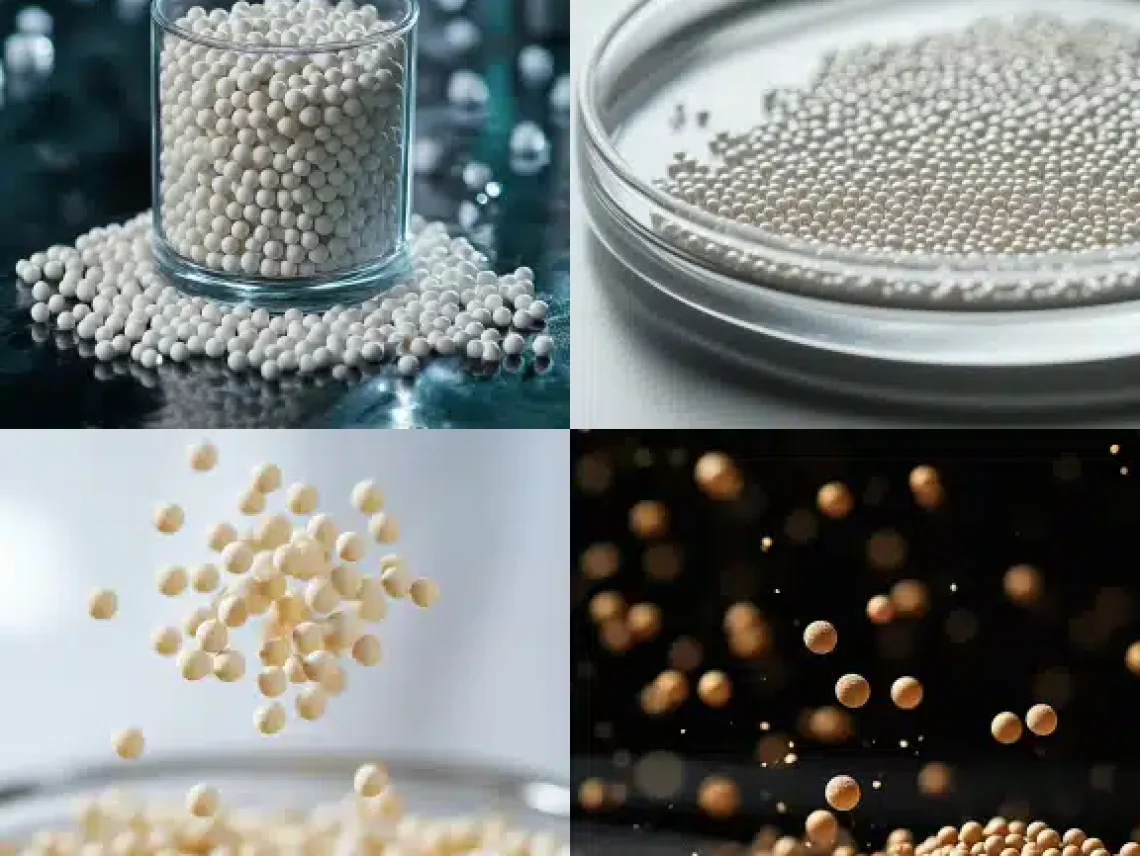
Table of Contents
ToggleIntroduction to Molecular Sieves and Their Importance
Ensuring efficiency and purity in commercial methods requires the right tools. Among these, molecular sieves play a crucial role. But what exactly are molecular sieves, and why are they essential across various industries? Let’s explore.
What Are Molecular Sieves?
Molecular sieves are cloth with tiny, uniform pores that can separate molecules based on length and polarity. Zeolites or synthetic substances often compose these sieves that can be engineered to achieve particular molecular filtration properties. They selectively adsorb and preserve specific molecules while allowing others to pass through, making them highly valuable in an extensive range of applications.
Why Are Molecular Sieves Essential in Various Industries?
Molecular sieves are materials with tiny, uniform pores that separate molecules based on size and polarity. Zeolites or synthetic substances typically compose these sieves, which can be engineered for specific molecular filtration properties. Moreover, their ability to selectively adsorb certain molecules while allowing others to pass through makes them invaluable across various applications.
Molecular sieves play a crucial role in various industrial processes, delivering unmatched refining, purification, drying, and filtration efficiency. Industries such as oil and gas, chemical processing, and air purification rely heavily on these tools. As a result, molecular sieves serve as the backbone of operations where precision and purity are paramount.
Key Applications of Molecular Sieves Across Industries
Molecular Sieves in Oil and Gas Refining
In the oil and gas industry, molecular sieves are crucial for refining and purification. Specifically, they remove water, carbon dioxide, and other impurities from natural gas and petroleum products. As a result, they ensure the quality and safety of the final product, making it market-ready.
Role of Molecular Sieves in Water Treatment
Water treatment facilities rely on molecular sieves to remove impurities, including heavy metals and organic compounds, from drinking water. Furthermore, these sieves excel at selectively adsorbing unwanted molecules, ensuring that treated water meets strict quality standards.
Use of Molecular Sieves in Air and Gas Separation
Industries widely use molecular sieves in air and gas separation techniques. They enable efficient separation of gases based on molecular size, ensuring the purity of products such as oxygen, nitrogen, and hydrogen. Consequently, this is critical in sectors like healthcare, electronics, and power generation, where fuel purity is essential.
Applications of Molecular Sieves inside the Chemical Industry
In the chemical industry, molecular sieves are vital for drying solvents and gases, as well as in catalysis and separation processes. Their ability to selectively eliminate moisture and other contaminants guarantees that chemical reactions arise below ultimate situations, main to better yields and progressed product first-class.
Benefits of Using Molecular Sieves
Enhanced Efficiency in Industrial Processes
Molecular sieves selectively adsorb specific molecules, making them indispensable for improving industrial operations. Their precision in capturing impurities such as water and carbon dioxide ensures that desired substances remain within the process flow, enhancing performance while reducing operational costs.
Environmental Impact and Sustainability
Beyond efficiency, molecular sieves provide significant environmental benefits. They eliminate contaminants from industrial processes, reducing the release of harmful pollutants into the environment. Additionally, their reusable nature supports sustainable practices by minimizing waste and contributing to greener operations.
Need a reliable partner?
Frequently Asked Questions (FAQ)
What industries benefit the maximum from the usage of molecular sieves?
Molecular sieves are noticeably flexible and are used in a whole lot of industries, however, the sectors that advantage the maximum consist of oil and fuel, chemical substances, air purification, and water remedy. In oil and gas, molecular sieves are vital for removing impurities like water and carbon dioxide, which could otherwise purpose corrosion and different issues in pipelines and devices. In the chemical enterprise, molecular sieves are used to ensure the purity of solvents and gases, main to extra efficient chemical reactions. The air purification industry is predicated on molecular sieves for the right separation of gases, which is critical for packages requiring excessive-purity oxygen, nitrogen, or hydrogen. Water remedy facilities use them to eliminate contaminants, making sure safe and easy water.
How do molecular sieves compare to different filtration methods?
Molecular sieves are wonderful from other filtration strategies because of their potential to selectively adsorb molecules based on length and polarity. Unlike conventional filters that can handiest take away particulates, molecular sieves can target particular contaminants on the molecular stage, making them a great deal greater unique. This precision allows them to be used in applications in which doing away with specific impurities is critical, such as in gasoline separation or the drying of solvents within the chemical industry. Additionally, molecular sieves may be regenerated and reused, supplying a cost-effective and sustainable option compared to different filtration structures that may require a common alternative.
Can molecular sieves be regenerated and reused?
Yes, one of the massive blessings of molecular sieves is their ability to be regenerated and reused. The regeneration process commonly involves heating the molecular sieve material to a temperature that drives off the adsorbed impurities. This manner restores the molecular sieve’s adsorption capacity, allowing it for used repeatedly. This now not handiest makes molecular sieves a powerful alternative but also contributes to sustainability by decreasing waste. The ability to regenerate molecular sieves is specially treasured in industries wherein continuous operations are important, because it minimizes downtime and decreases the want for common replacements.
What are the constraints of molecular sieves in business applications?
While molecular sieves are surprisingly effective in many programs, they do have a few barriers. One problem is their sensitivity to certain conditions, together with excessive temperatures and the presence of positive chemical substances, that can reduce their effectiveness or damage the sieve fabric. Additionally, the preliminary fee of molecular sieves can be better as compared to different filtration techniques, even though that is often offset with the aid of their sturdiness and reusability. Another trouble is that molecular sieves are commonly used for precise applications in which their precise houses are essential; they may now not be as powerful in extra standard filtration situations in which other strategies would possibly suffice.
How do molecular sieves contribute to environmental sustainability?
Molecular sieves contribute to environmental sustainability in several approaches. Firstly, they assist lessen the emission of harmful contaminants by way of successfully getting rid of them from business processes. This is particularly essential within the remedy of gases and liquids, wherein purity is crucial for minimizing environmental impact. Secondly, the capability to regenerate and reuse molecular sieves reduces waste, as they do now not need to be disposed of after unconnected use. This makes them a greater sustainable alternative as compared to disposable filtration systems. Finally, by way of improving the performance of commercial processes, molecular sieves can lessen power intake and lower the overall environmental footprint of the operations they’re used in.
Solutions
In the realm of industrial solutions, Red River emerges as a pioneer, offering a diverse range of custom-engineered products and facilities. Among our specialties is the design and production of Custom/OEM Pressure Vessels, meticulously crafted to meet individual client requirements, ensuring performance under various pressure conditions. Our expertise extends to the domain of prefabrication, where Red River leads with distinction.
The company excels in creating prefabricated facilities, modules, and packages, reinforcing its stance as a forerunner in innovation and quality. This proficiency is further mirrored in their Modular Skids offering, where they provide an array of Modular Fabricated Skid Packages and Packaged equipment. Each piece is tailored to client specifications, underlining their commitment to delivering precision and excellence in every project they undertake.


