
Manufacturing Automated Pressure Vessels for Safer Production
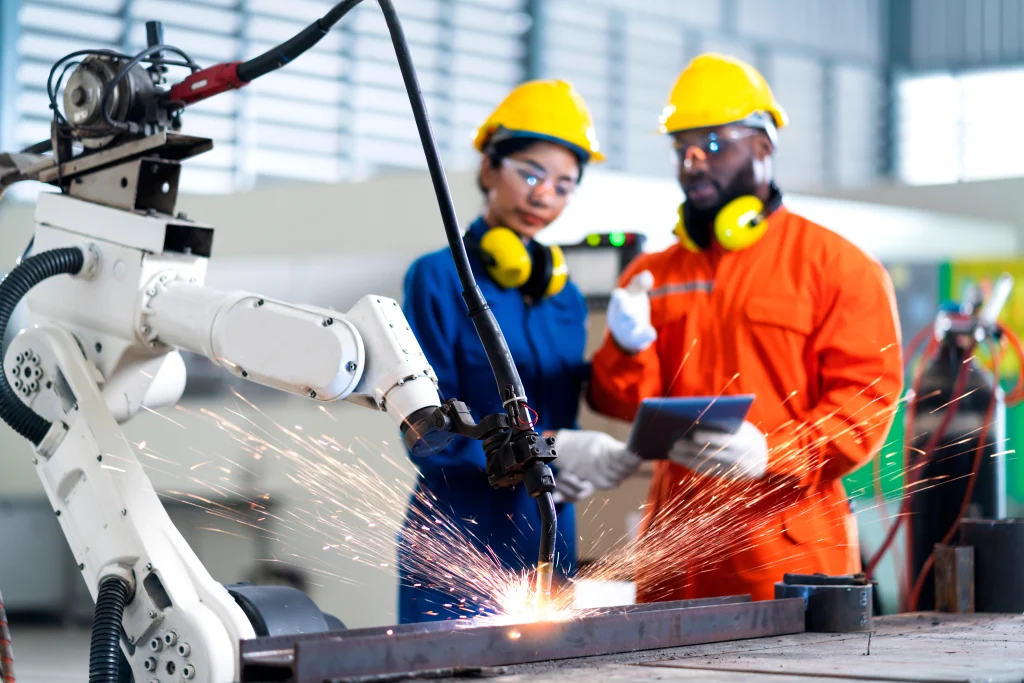
Manufacturing automated pressure vessels improves precision, safety, and efficiency by integrating robotics, CNC machining, and digital monitoring systems. This approach supports consistent quality while reducing risks and production delays. The Role of Manufacturing Automated Pressure Vessels Manufacturing automated pressure vessels has become a defining advancement in modern industrial fabrication. As industries demand higher safety margins, […]
Challenges in American pressure vessel fabrication
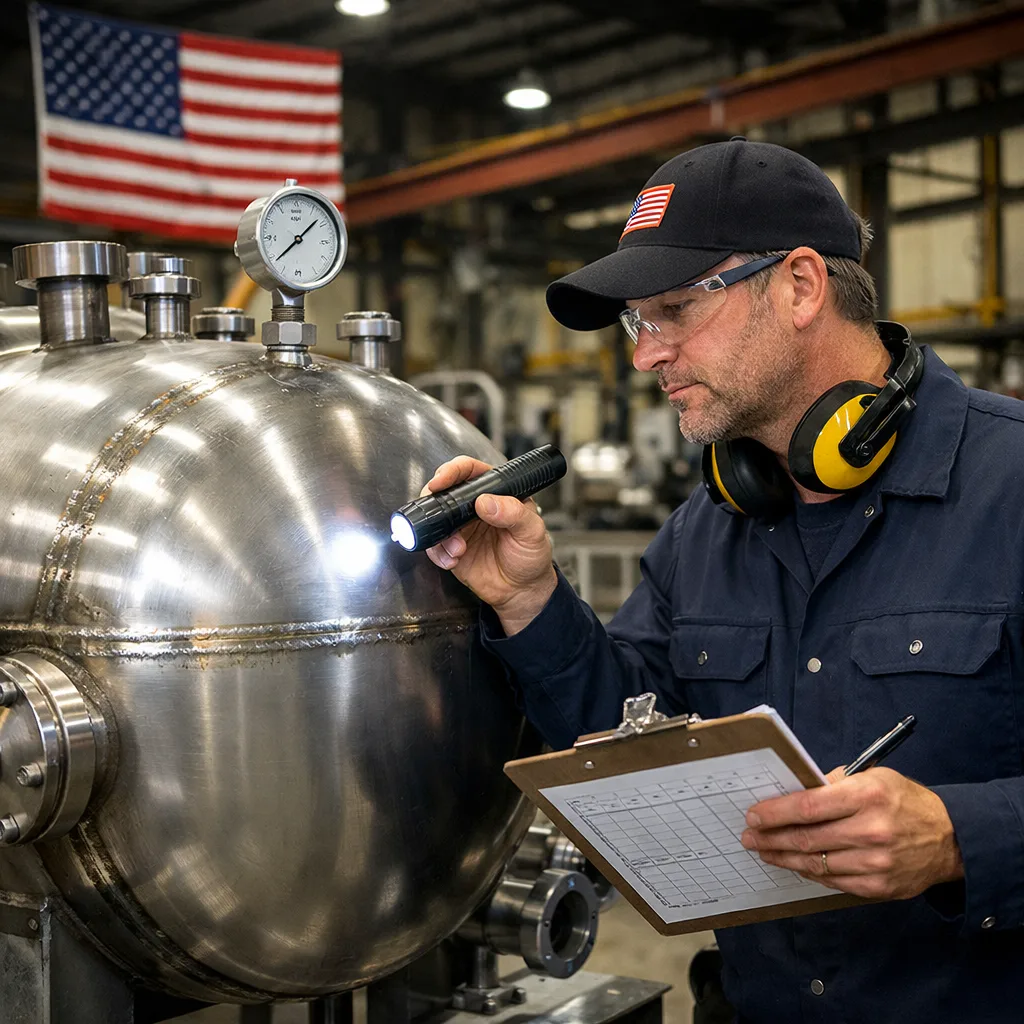
American pressure vessel fabrication is shaped by strict safety standards, skilled labor demands, and complex supply chains. Despite these pressures, U.S. manufacturers continue to adapt through innovation, workforce development, and values-driven practices. The Current Landscape of American Pressure Vessel Fabrication American pressure vessel fabrication plays a critical role in supporting industries that rely on the […]
Pressure Vessels in America Powering Modern Fabrication
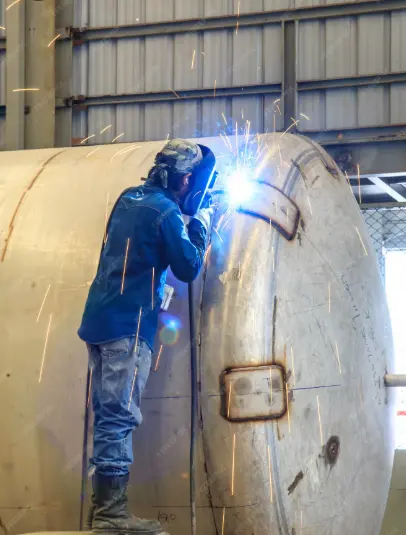
Pressure vessels in America are essential to industrial safety, energy production, and advanced steel fabrication. Built under strict standards, they support reliable operations across critical sectors. The Role of Pressure Vessels in America’s Modern Industry Pressure vessels in America are foundational components in industrial systems that rely on the controlled storage and movement of pressurized […]
Statistical Process Control Welding in Manufacturing

What Is Statistical Process Control Welding? Statistical process control welding is a quality assurance approach that applies statistical techniques to monitor and control welding processes. Originally developed in the early 20th century by Walter A. Shewhart, statistical process control (SPC) has been widely adopted in manufacturing to detect variations before they result in defects. In […]
Digital Radiography vs. Film for Weld Defect Analysis
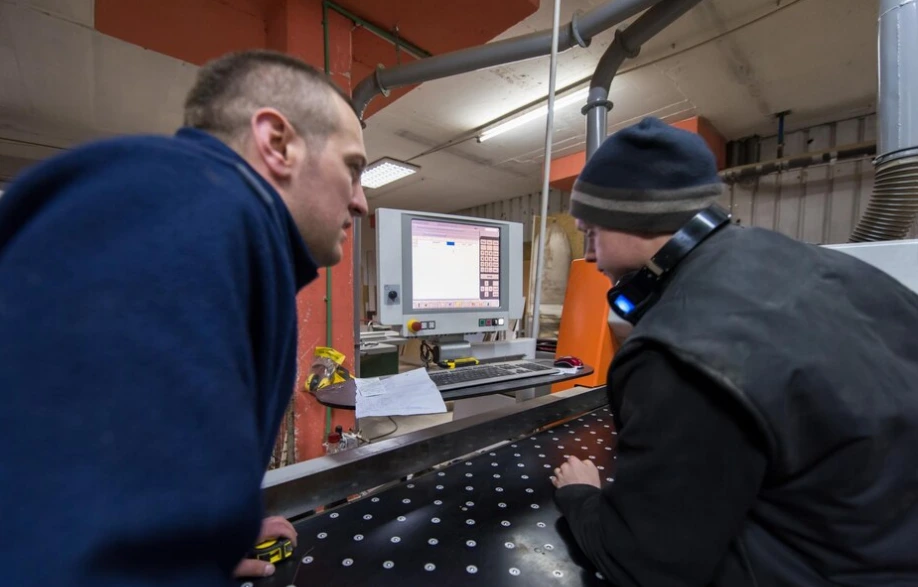
Digital radiography vs. film is a critical decision in weld defect analysis. Digital methods offer speed, safety, and efficiency, while film radiography remains relevant for legacy compliance and ultra-high-resolution needs. Why Digital Radiography vs. Film Matters in Weld Defect Analysis Digital radiography vs. film directly impacts how weld defects are detected, interpreted, and documented. In […]
Acoustic Emission Monitoring During Pressure Tests

Acoustic emission monitoring provides real-time detection of structural changes during pressure testing. It enhances safety, reduces downtime, and ensures regulatory compliance for pressure vessels and components. Why Acoustic Emission Monitoring Matters in Pressure Testing Acoustic emission (AE) monitoring captures stress-induced signals in real time, enabling early detection of defects in pressure vessels and related components. […]
Phased-Array Ultrasonic Testing for Weld Inspection
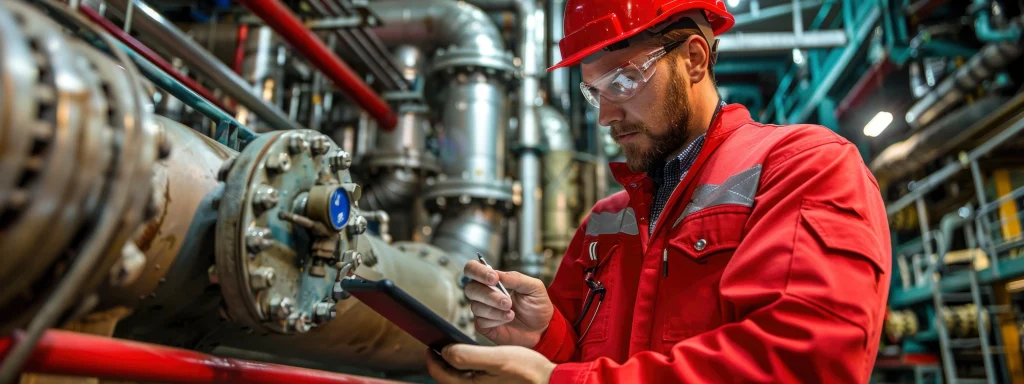
Phased-array ultrasonic testing (PAUT) is an advanced non-destructive inspection method that delivers precise, real-time insights into weld quality. It improves efficiency, safety, and compliance in pressure vessel fabrication and other high-integrity applications. Understanding Phased-Array Ultrasonic Testing (PAUT) What is phased-array ultrasonic testing? Phased-array ultrasonic testing (PAUT) uses multiple small elements within a probe to send […]
HAZ Hardness Profile Mapping in Welded Components

Why HAZ Hardness Profile Mapping Is Essential for Weld Integrity Welding is a foundational process in the fabrication of pressure vessels, structural components, and mission-critical infrastructure. While it serves to permanently join metals, it also alters the material’s microstructure—especially in the heat-affected zone (HAZ). This transitional area, located adjacent to the weld, experiences thermal cycles […]
Dye Penetrant Inspection (DPI) for Surface Crack Detection
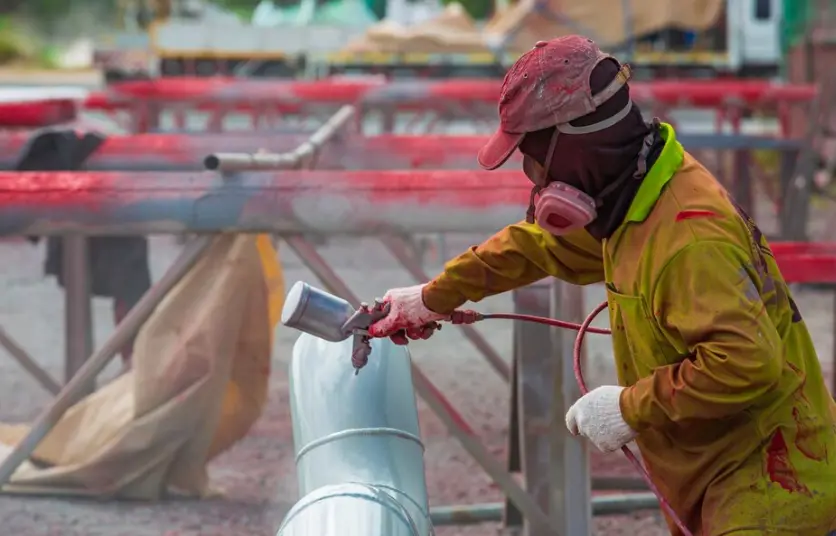
Understanding Dye Penetrant Inspection Dye Penetrant Inspection (DPI), also known as Liquid Penetrant Testing (LPT), is a critical non-destructive testing (NDT) method used to identify surface-level flaws in solid, non-porous materials. This testing method plays a pivotal role in industries that demand absolute material integrity, such as the pressure vessel, aerospace, and petrochemical sectors. DPI […]
Subsurface Defect Ultrasonic Testing Techniques for Detecting Defects
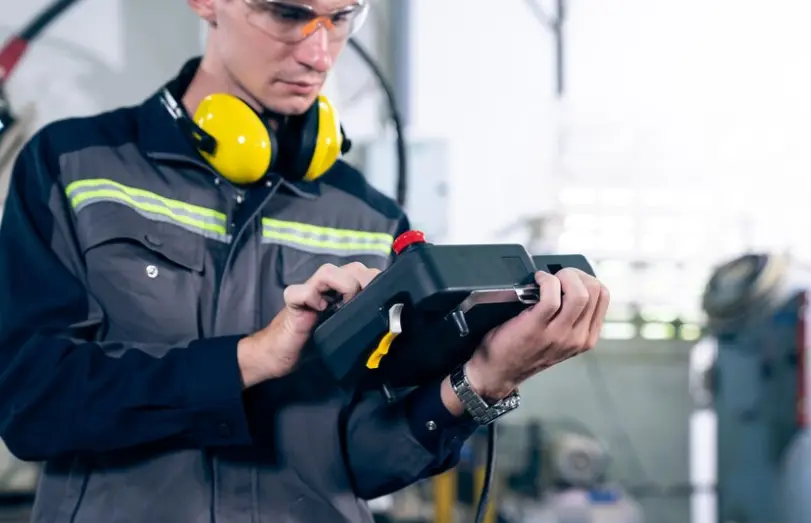
The Importance of Subsurface Defect Ultrasonic Testing in Industrial Applications In the world of industrial fabrication, subsurface defect ultrasonic testing plays a crucial role in ensuring safety and reliability. Whether it’s a pressure vessel in a chemical plant or a structural component in heavy industry, identifying flaws before they lead to failure is critical. That’s […]