
Pressure Vessels vs. Water Tanks: What’s the Difference?
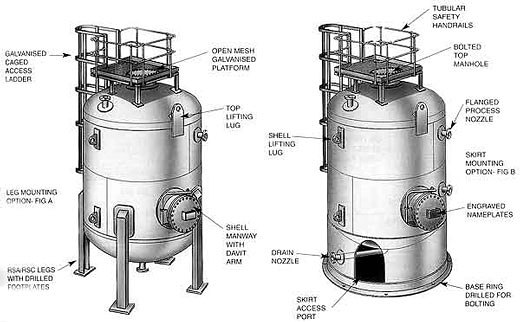
Pressure vessels are built to handle high-pressure fluids safely, while water tanks store fluids at low or atmospheric pressure. Choosing the right type ensures system efficiency, safety, and compliance with regulatory standards. Understanding Pressure Vessels vs. Water Tanks: A Critical Safety and Performance Decision When it comes to fluid storage and system efficiency, understanding the […]
Fiberglass vs Stainless Steel Pressure Vessels
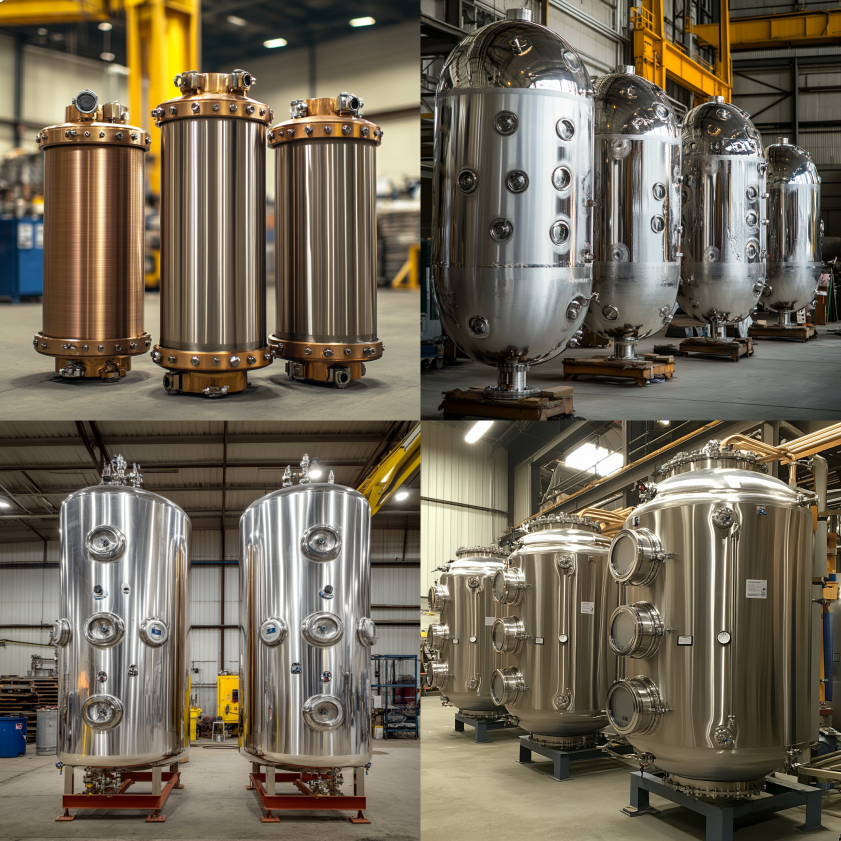
Fiberglass pressure vessels are lightweight, corrosion-resistant, and cost-effective for low-pressure, chemical environments, while stainless steel vessels excel in high-pressure, high-temperature, and sanitary applications. Choosing between fiberglass vs stainless steel pressure vessels depends on operational needs, budget, and regulatory requirements to ensure safety and long-term performance. The Critical Decision of Pressure Vessel Material Selection When it […]
Importance of Pressure Vessel Corrosion Protection Materials
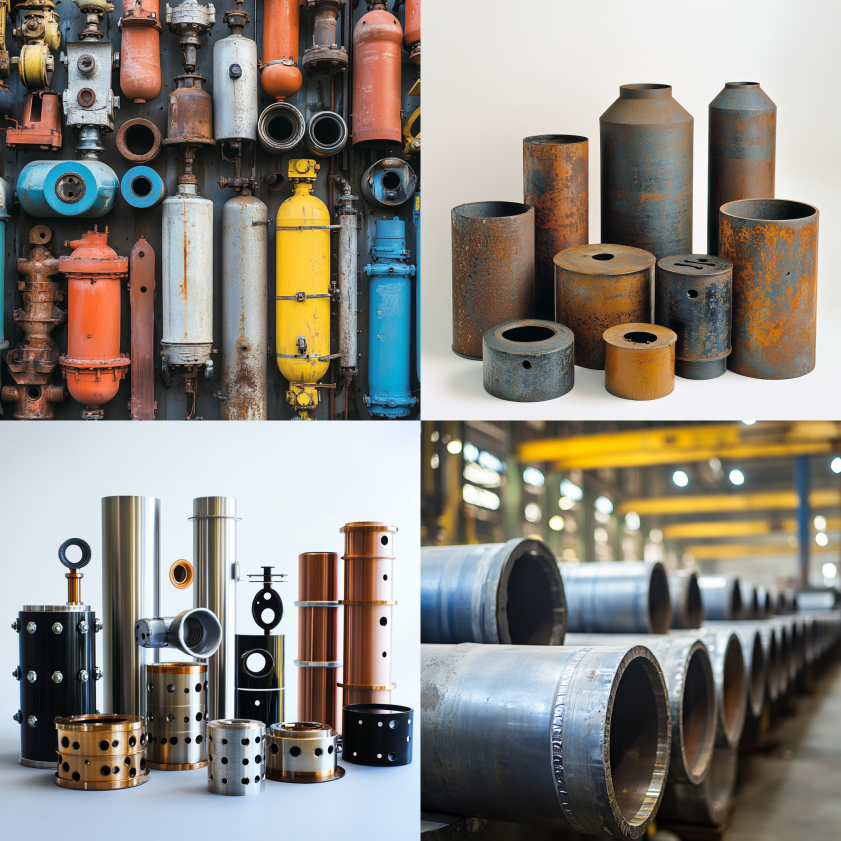
Corrosion poses a major threat to water pressure vessels, but selecting materials like stainless steel, duplex stainless, FRP, or coated carbon steel ensures long-term protection, safety, and reliability. Proper pressure vessel corrosion protection reduces maintenance costs, extends equipment lifespan, and supports regulatory compliance across industrial and municipal applications. Selecting the Right Materials for Water Pressure […]
Understanding ASME Standards for Water Pressure Vessels

ASME standards for water pressure vessels ensure safe design, fabrication, testing, and inspection of pressurized water systems. Compliance reduces risk, extends equipment life, and meets regulatory and insurance requirements. The Imperative of ASME Standards for Pressure Vessels In industrial settings, safety and reliability are non-negotiable, especially when dealing with pressurized systems. One of the most […]