
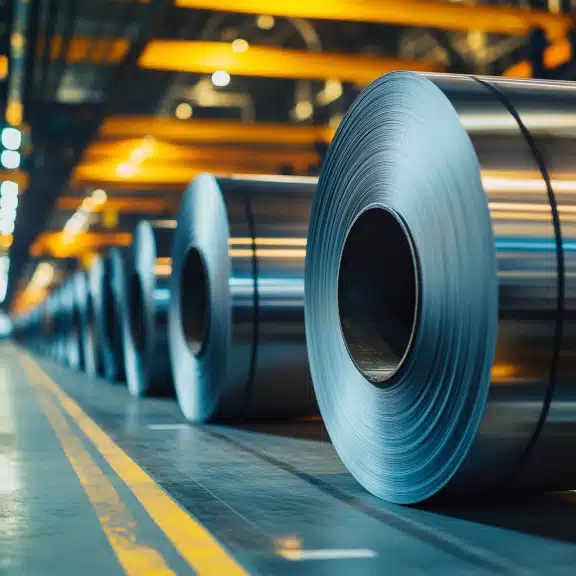
Comprehensive Guide to Steel Costs: Cold Rolled vs Hot Rolled
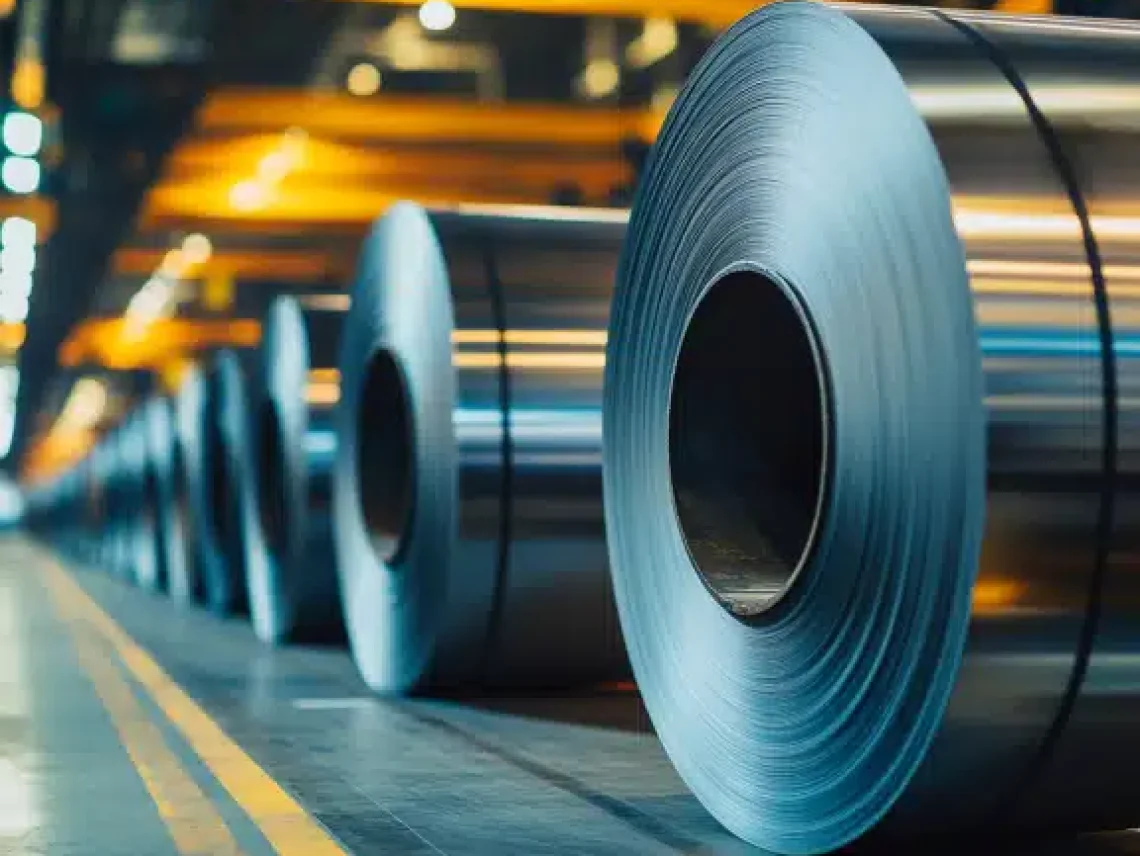
Understanding the Cost Differences Between Cold Rolled and Hot Rolled Steel
Steel pricing plays a crucial role in the manufacturing and construction industries. Whether you’re working on a construction project or manufacturing machinery, understanding the cost differences between cold rolled vs hot rolled steel can significantly impact your budget. Steel prices are constantly evolving due to global market forces, raw material costs, and advancements in production technology.
Cold Rolled vs Hot Rolled Steel: Key Pricing Factors
Steel prices are shaped by the manufacturing processes of cold rolled vs hot rolled steel. These processes affect the steel’s characteristics, usability, and price.
Why Hot Rolled Steel Is More Affordable
Hot-rolled steel is generally more affordable due to its simpler production process. The steel is heated above 1,700°F and rolled while hot, eliminating the need for additional steps like cold reduction. This simplicity reduces production costs, which are reflected in the final price for consumers.
Key cost drivers for hot-rolled steel include:
Raw materials (iron ore, scrap metal)
Energy prices (heating costs)
Transportation and logistics
Labor and equipment costs
For more information on hot-rolled steel, check out our Understanding the Strength of Hot Rolled vs Cold Rolled Steel blog.
Why Cold Rolled Steel Is More Expensive
Cold-rolled steel undergoes additional processes like pickling, cold reduction, and annealing. These processes improve surface finish and dimensional accuracy, but they add to the cost. As a result, cold-rolled steel can be 20-40% more expensive than hot-rolled alternatives.
Factors influencing cold-rolled steel prices include:
Initial hot rolling costs
Cold reduction and annealing
Quality control and testing
To dive deeper into cold-rolling processes, check out our Ultimate Guide to Cold Rolling Stainless Steel for more details.
Market Trends Influencing Steel Pricing
Raw Materials: The price of iron ore and coal directly impacts the cost of steel.
Energy Prices: More energy-efficient production could result in cost savings.
International Trade: Tariffs and trade agreements can affect the cost and availability of steel.
Regional Price Variations
In North America, hot-rolled steel typically ranges between $600–900 per ton, whereas cold-rolled steel costs between $800–1,200 per ton, depending on market conditions and specific steel types.
When to Choose Cold Rolled vs Hot Rolled Steel
Choosing the right steel depends on the precision and requirements of your project. Understanding when to use cold rolled vs hot rolled steel will ensure you select the most cost-effective material for your needs.
Applications for Hot Rolled Steel
Hot-rolled steel is ideal for large-scale projects where surface finish and precision are less critical. It’s commonly used in:
Construction projects: Beams, columns, and frames
Infrastructure: Railroads, agricultural machinery
General fabrication: Structures requiring lower-cost material
For more details, read about
Applications for Cold Rolled Steel:
Cold-rolled steel is ideal for applications requiring a fine finish and precise dimensions. It’s commonly used in:
Pressure vessels and tanks
Automotive components
High-strength machinery
For more on cold-rolled stainless steel, check out Introduction to Cold Rolled Stainless Steel
Making the Right Choice Between Cold Rolled vs Hot Rolled Steel
Understanding the differences between cold rolled vs hot rolled steel is vital for choosing the appropriate material for your project. Hot-rolled steel offers cost-effective solutions for large-scale, less precision-focused projects, while cold-rolled steel is the go-to for applications that demand superior surface finishes and tight tolerances. By factoring in raw material costs, energy prices, and market trends, you’ll be better equipped to make an informed decision.
Get Accurate Steel Pricing Today!
Navigating steel pricing doesn’t have to be complex. Whether you’re deciding between hot rolled or cold rolled steel, our expert team is here to provide you with real-time, accurate pricing tailored to your project needs. Contact us now for a personalized consultation to ensure your project stays within budget.
FAQs
1.What factors influence the cost of cold rolled vs hot rolled steel?
The primary factors include the manufacturing process, raw material prices, and energy costs. Cold-rolled steel requires additional steps, which make it more expensive than hot-rolled steel.
2.How do global market trends affect steel prices?
Trade policies, raw material prices, and energy prices can all influence global steel pricing. Regional variations also occur, particularly in construction and manufacturing.
3.What is the main difference between cold rolled and hot rolled steel?
The main difference is in the manufacturing process. Hot-rolled steel is processed at high temperatures and is more cost-effective, while cold-rolled steel undergoes additional steps to enhance its finish and dimensional accuracy, making it more expensive
4.Can cold rolled steel be used for structural applications?
Yes, cold-rolled steel can be used in structural applications, but it is typically preferred for situations requiring tight tolerances, smooth finishes, and high-strength properties. For large-scale, cost-effective projects, hot-rolled steel is often the preferred choice.
Key Takeaways
Hot-rolled steel is affordable and suitable for large-scale, less precision-focused projects.
Cold-rolled steel, while more expensive, is ideal for applications requiring fine finishes and tight tolerances.
Steel prices are shaped by raw material costs, energy prices, and global market trends.
Solutions
In the realm of industrial solutions, Red River emerges as a pioneer, offering a diverse range of custom-engineered products and facilities. Among our specialties is the design and production of Custom/OEM Pressure Vessels, meticulously crafted to meet individual client requirements, ensuring performance under various pressure conditions. Our expertise extends to the domain of prefabrication, where Red River leads with distinction.
The company excels in creating prefabricated facilities, modules, and packages, reinforcing its stance as a forerunner in innovation and quality. This proficiency is further mirrored in their Modular Skids offering, where they provide an array of Modular Fabricated Skid Packages and Packaged equipment. Each piece is tailored to client specifications, underlining their commitment to delivering precision and excellence in every project they undertake.


Related Blog Post
How a Glycol System Works
Ethylene Glycol Water: A Complete Heat Transfer Guide

Water Filter Replacement
Why Use Stainless Steel Sheet Metal Fabrication?
How Does Stainless Steel Sheet Metal Fabrication Work
No subpillar set for this blog post.
About Author
