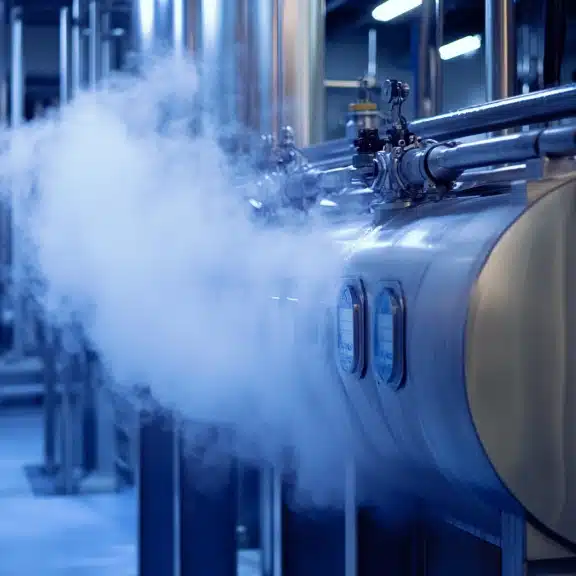
Cryogenic Cooling Liquid Selection
Cryogenic Cooling Liquid Selection is essential for maintaining optimal performance, safety, and longevity of cryogenic equipment. Choosing the right liquid ensures efficient heat transfer while protecting pressure vessels and other components. Understanding Pressure Vessel Safety Standards and Compliance, equipment compatibility, and environmental concerns is vital. Regular Pressure Vessel Inspection and Maintenance further safeguards operations. Red River provides expertly engineered solutions that meet both operational and safety requirements.
How to Choose Cryogenic Cooling Liquid Selection
Cryogenic equipment cooling relies on the proper selection of cooling liquids to ensure optimal performance and safety in various industrial applications. Liquids play a critical role in cryogenic cooling by absorbing warmth from the system, thereby facilitating temperature reduction. Moreover, the type of liquid used is pivotal in determining cooling performance and the machine’s overall efficiency. As a result, selecting the appropriate liquid is essential to ensure optimal system operation.
Cryogenic Cooling Liquid Selection: How Improper Choices Impact Performance
Improper liquid selection can lead to suboptimal cooling, decreased device lifespan, and safety hazards. For example, it might result in inefficient warmth transfers due to operational inefficiencies and potential device malfunctions. Therefore, carefully assessing liquid properties is crucial for maintaining equipment performance.
Importance of Matching Liquid Properties to Equipment Specifications
Matching liquid properties to device specifications guarantees compatibility and superior overall performance. For instance, factors such as thermal conductivity, viscosity, and chemical compatibility must be considered. Consequently, this ensures efficient cryogenic cooling and prevents operational failures.
Types of Liquids Used in Cryogenic Equipment Cooling
Common Cryogenic Cooling Fluids
- Liquid Nitrogen
Liquid nitrogen is a widely used cryogenic coolant, acknowledged for its low boiling point and high cooling capability. Additionally, it has applications in various industries, including food processing, scientific research, and semiconductor manufacturing. - Liquid Helium
Liquid helium, with its ultra-low boiling point, is essential for applications requiring extremely low temperatures. For example, it is often used in superconductivity research, MRI machines, and particle accelerators. - Liquid Hydrogen
Liquid hydrogen, though challenging to handle due to its low boiling point and high flammability, offers exceptional cooling properties. Moreover, it is utilized in aerospace propulsion and cryogenic research.
Factors Influencing Liquid Selection for Cryogenic Cooling
Temperature Requirements and Operating Conditions
The preferred temperature range and running conditions dictate the selection of cryogenic cooling fluid. Factors consisting of balance, phase transition characteristics, and latent warmth of vaporization must align with device specifications.
Equipment Compatibility and Material Considerations
Compatibility with device substances is essential to prevent corrosion, degradation, or unfavorable reactions. Materials which include chrome steel, aluminum, and specialized alloys are decided on to face up to cryogenic environments.
Safety and Environmental Concerns
Safety issues, including toxicity, flammability, and environmental impact, affect liquid choice. Compliance with regulatory requirements and risk mitigation techniques are imperative to ensuring secure cryogenic operations.
Cryogenic Cooling Liquid Selection
Selecting the right Cryogenic Cooling Liquid Selection ensures system efficiency, safety, and compliance with industry standards. Proper material compatibility, temperature considerations, and adherence to pressure vessel safety standards and compliance mitigate operational risks. Regular pressure vessel inspection and maintenance extends equipment lifespan and safeguards personnel. Partnering with Red River guarantees expertly designed solutions that meet performance and safety expectations.
Need a reliable partner?
Red River specializes in the design and manufacturing of pressure vessels. We also fabricate related items such as prefabricated spools and skid packages.
Reach Out to us today and experience the Red River difference. Where American Made and American Values come together, we care more.
Frequently Asked Questions
1. What are the key factors when choosing a cryogenic cooling liquid for pressure vessels?
Consider temperature requirements, chemical compatibility, thermal conductivity, and environmental impact. Selecting liquids aligned with pressure vessel safety standards and compliance ensures efficient and safe cooling.
2. How do different cryogenic liquids affect pressure vessel performance?
Liquids vary in thermal properties, affecting cooling efficiency, pressure, and material stress. Choosing the right fluid balances performance, safety, and longevity while complying with what is ASME code for pressure vessel safety.
3. What safety precautions should be taken when handling cryogenic liquids?
Use proper PPE, implement leak detection, ensure ventilation, and provide comprehensive personnel training. Emergency protocols and monitoring prevent accidents and safeguard operators.
4. Are there regulatory guidelines for using cryogenic liquids in pressure vessels?
Yes, organizations like ASME provide codes for vessel design, construction, and operation. Compliance with these standards ensures safety, reliability, and operational integrity.
5. How often do cryogenic liquid storage vessels need inspection?
Inspection frequency depends on usage and operational conditions, but regular pressure vessel inspection and maintenance is crucial to identify wear, leaks, or potential hazards early.
6. Can cryogenic cooling liquids be selected to minimize environmental impact?
Yes, choosing low-impact fluids, preventing leaks, and implementing proper disposal or recycling practices ensures environmentally responsible operations.
7. How do material considerations affect liquid selection?
Materials must resist cryogenic temperatures and chemical interaction. Stainless steel, aluminum, and specialized alloys ensure durability and compatibility with chosen liquids.
8. Can Red River customize systems for specific cryogenic liquid requirements?
Yes, Red River provides tailored solutions including optimized containers, insulation, and safety features to meet operational and regulatory needs.
Key Takeaways
- Select cryogenic liquids based on temperature, compatibility, and safety standards.
- Prioritize compliance with pressure vessel safety standards and compliance.
- Implement regular inspections, leak detection, and proper handling protocols.
- Consider environmental impact and opt for sustainable cooling fluids.
- Partnering with experienced manufacturers like Red River ensures reliable, safe, and efficient operations.
Related Blog Post
Pressure Vessel Design & Engineering: Concept to Launch

What is Pressure Vessel Design and Engineering: Code-Ready Guide
What are the Key Factors in Pressure Vessel Engineering

How Do You Design a Pressure Vessel: A Step-By-Step Guide
What is Pressure Vessel Fabrication and Manufacturing
No subpillar set for this blog post.
About Author