
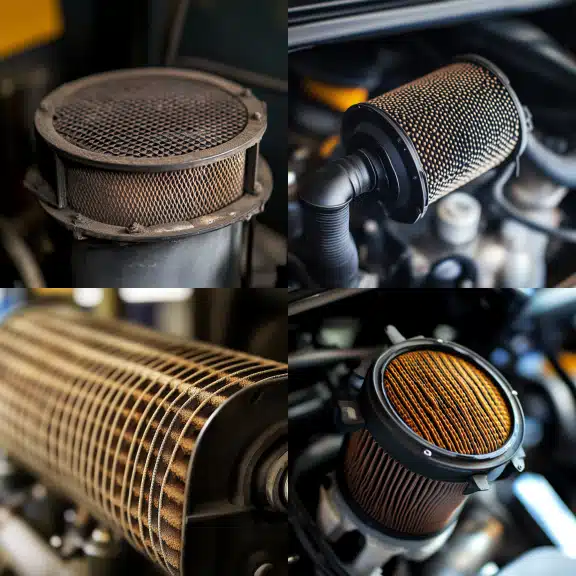
Diesel particulate filters (DPFs) help reduce emissions by trapping soot, but they can clog due to short trips, low-quality fuel, or faulty sensors. Common symptoms include warning lights, reduced engine performance, and higher fuel use. Solutions range from highway driving to trigger regeneration, to chemical or professional cleaning. To prevent issues, use quality fuel, avoid frequent short drives, and follow regular maintenance schedules..
Common Issues with Particulate Filter Problems
Understanding the most common problems with particulate filters is crucial for keeping your vehicle running efficiently and avoiding costly repairs. In this guide, we’ll explain what causes filter clogs, the warning signs to watch for, and how to prevent long-term damage.
Causes of Particulate Filter Clogs
Diesel particulate filters (DPFs) reduce harmful emissions by trapping soot and ash from the exhaust. However, over time, these filters can become clogged especially under certain driving or maintenance conditions. Common causes include:
- Short trips or city driving: Frequent low-speed trips prevent the filter from reaching the high temperatures needed for self-cleaning (regeneration).
- Poor-quality fuel: Low-grade diesel creates more soot, accelerating buildup.
- Sensor malfunctions: Faulty pressure or temperature sensors can disrupt regeneration cycles, allowing blockages to form.
Recognizing these reasons early can help in troubleshooting particulate filter-out failures and retaining your car’s efficiency.
Symptoms of a Failing Particulate Filter Problems
Watch for these warning signs that your DPF may be clogged or failing:
- Dashboard warning light: A DPF icon or “check engine” light may appear.
- Reduced engine power: The engine may go into “limp mode” to protect itself.
- Increased fuel usage: A clogged filter causes the engine to work harder, consuming more fuel.
- Unusual exhaust smells or noises: Sulfur-like odors or whistling noises may indicate trapped gases.
Impact on Vehicle Performance
A clogged or damaged DPF affects more than just emissions. Left unresolved, it can lead to:
- Increased engine strain: Backpressure forces the engine to work harder, reducing lifespan.
- Higher emissions: Failing filters can push your vehicle out of legal compliance.
- Costly engine damage: Prolonged blockage may cause turbocharger damage, oil contamination, or cracked pistons.
Diagnosing Particulate Filter Problems
Warning Signs to Look For
Identifying issues early can prevent expensive upkeep. Watch for those caution signs and symptoms:
- Dashboard Warning Lights: A particulate filter warning light indicates a problem.
- Reduced Engine Performance: Noticeable drop in energy and acceleration.
- Increased Fuel Consumption: A surprising upward thrust in gasoline utilization may want to factor into a filter issue.
Recognizing these signs allows you to take timely action and prevent additional damage.
Diagnostic Tools and Techniques
- Scan tools (OBD-II): Read fault codes related to the DPF system.
- Backpressure sensors: Measure pressure before and after the filter to identify blockages.
- Temperature probes: Compare temperatures before/after regen cycles if the filter isn’t heating up, it’s likely clogged.
Professional vs. DIY Diagnosis
DIY tools are helpful for basic diagnosis, but full inspection and cleaning usually require a certified mechanic with high-pressure cleaning systems and manufacturer-grade software.
Solutions and Preventive Measures
Effective Cleaning Methods
Regular cleansing of your particulate clearout can prevent clogs and expand its existence. Here are some powerful strategies:
- Forced Regeneration: This system entails strolling the engine at excessive RPMs to burn off collected soot.
- Professional Cleaning Services: Specialized cleaning services use excessive-pressure air or water to get rid of particles and repair filter-out efficiency.
- Chemical Cleaners: Using approved chemical cleaners can help dissolve soot and ash deposits, making them simpler to cast off.
These methods make sure your filter remains clean and practical, decreasing the risk of costly upkeep.
Replacement Options and Costs
When cleaning isn’t sufficient, a substitute might be important. Here are your options:
- OEM Replacement Filters: Original Equipment Manufacturer filters ensure compatibility and reliability, but they can be extra pricey.
- Aftermarket Filters: These are frequently more low priced and without problems available however vary in best.
- Costs: Replacement fees can range from $500 to $2,000, depending on the make and version of your vehicle and the form of filter.
Choosing the right substitute ensures your car continues to carry out correctly.
Tips for Preventing Future Issues
Preventive measures can save time and money. Follow these suggestions to keep away from future particulate clear-out issues:
- Regular Maintenance: Stick to your automobile’s maintenance timetable and carry out ordinary exams.
- High-Quality Fuel: Use splendid gas to lessen soot manufacturing.
- Proper Driving Habits: Avoid frequent brief trips and make sure your engine reaches the most fulfilling temperatures regularly.
Need a reliable partner?
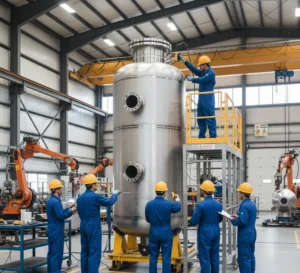
Red River specializes in the design and manufacturing of pressure vessels. We also fabricate related items such as prefabricated spools and skid packages.
Reach Out to us today and experience the Red River difference. Where American Made and American Values come together, we care more.
Frequently Asked Questions about Particulate Filter Problems
What is a particulate filter, and why is it important?
A particulate clearout, also known as a diesel particulate filter (DPF), is a tool designed to dispose of soot and different particulate counts from the exhaust gasoline of a diesel engine. It plays a crucial function in lowering emissions and protecting the surroundings. By taking pictures of harmful particles, the filter out ensures purifier air and facilitates cars observing emission policies. Regular preservation of the particulate filter out is critical to maintain its functioning efficiently and save your engine performance problems.
How regularly ought a particulate filter be cleaned or changed?
The frequency of cleansing or changing a particulate filter relies upon various factors, which include using conduct, gasoline high-quality, and car kind. Generally, a particulate filter should be inspected every 12,000 to 18,000 miles. If you regularly pressure quick distances or in urban regions, the clear-out may also require more common upkeep. Cleaning can frequently make the existence of the filter, but if it becomes too clogged or damaged, a substitute may be necessary. Regular test-u.By way of an expert can assist decide the fine renovation schedule for your particular car.
What are the signs and symptoms that may particulate clear out needs interest?
Several symptoms can indicate that your particulate filter out wishes interest:
- Dashboard Warning Light: This is the maximum obvious indicator.
- Reduced Engine Power: If you word a decrease in engine performance, it could be because of a clogged filter.
- Increased Fuel Consumption: A failing filter can motivate your vehicle to use extra gasoline.
- Unusual Noises: Strange sounds from the exhaust device can be a caution signal.
If you revel in any of those signs, it’s important to have your automobile inspected by using an expert to prevent additional damage.
Can I easily participate and clear out myself, or should I be looking for professional help?
While some drivers attempt to ease their particulate filters themselves, professional cleansing is regularly endorsed for excellent results. DIY cleaning techniques, together with using fuel components or performing a forced regeneration, may be powerful but may not cope with excessive clogs. Professionals use specialized systems and strategies to very well ease the filter, making sure it operates successfully. Additionally, they can look at the filter out for any harm and suggest replacement if vital.
How does using fashion affect the health of a particulate clearout?
Driving fashion extensively impacts the health of a particulate filter. Frequent short journeys and prevent-and-pass use save the filter from reaching high temperatures and burn off soot, leading to clogs. Long motorway drives at constant speeds are perfect for particulate filter health, as they permit for proper regeneration. Using great fuel and adhering to normal renovation schedules additionally contribute to the toughness of the filter.
Key Takeaways
- Clogged DPFs are usually caused by short trips, poor fuel quality, or failed sensors.
- Early symptoms include dashboard warnings, sluggish engine performance, and increased fuel consumption.
- Quick fixes like forced regeneration or chemical cleaners can work but severe clogs may require full replacement.
- Prevention is key: regular highway driving, good fuel, and timely maintenance will extend filter life.
- Professional help is often worth it, especially when DIY cleaning doesn’t solve the problem.
Related Blog Post
Pressure Vessel Design & Engineering: Concept to Launch

What is Pressure Vessel Design and Engineering: Code-Ready Guide
What are the Key Factors in Pressure Vessel Engineering
How Do You Design a Pressure Vessel: A Step-By-Step Guide
What is Pressure Vessel Fabrication and Manufacturing
No related articles found.
About Author



