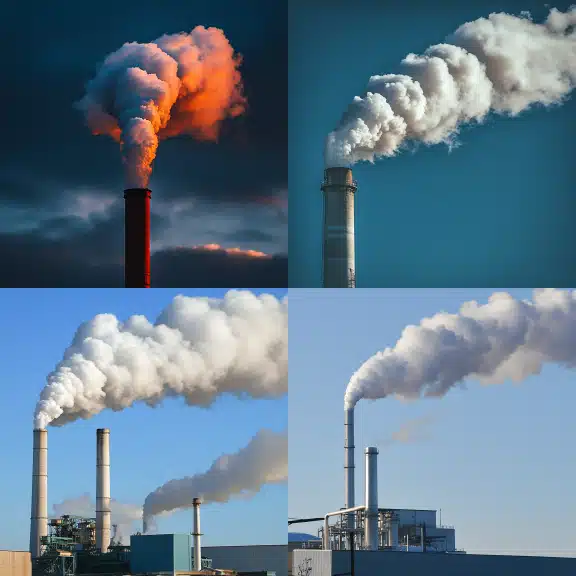
Understanding Particulate Matter and Air Quality
Particulate matter affects air quality, human health, and the performance of industrial operations. Understanding its sources, behavior, and control methods helps ensure safer systems and cleaner working environments. Effective air management strategies, supported by reliable fabrication partners, make a significant impact in achieving long-term operational efficiency.
Understanding Particulate Matter: What It Is and Why It Matters
Particulate Matter (PM) consists of tiny particles and droplets in the air that pose health risks when inhaled. These particles come in various sizes, with PM10 referring to particles 10 micrometers or smaller, and PM2.5 describing particles 2.5 micrometers or smaller. Due to their size, these particles can penetrate deep into the lungs and even enter the bloodstream. Common sources of PM include industrial activities, vehicle emissions, and natural phenomena like wildfires.
Health Risks Associated with Particulate Matter Exposure
Exposure to particulate matter can lead to severe health issues. PM2.5, in particular, can cause respiratory problems, worsen asthma, and increase the risk of cardiovascular diseases. Industries that depend on clean air for safety and productivity face challenges due to the presence of PM. Installing effective air filtration systems can minimize these risks, ensuring the safety of employees and the quality of products.
Sources of Particulate Matter in Indoor Environments
Particulate matter in industrial settings often originates from machinery, chemical processes, and raw material dust. Without proper filtration, these particles accumulate, leading to poor indoor air quality. This not only harms employees’ health but also affects equipment performance. To maintain a productive work environment, investing in advanced air filtration systems is essential.
How Air Filters Work to Remove Particulate Matter
Air filters play a crucial role in maintaining clean and safe air in industrial environments. Understanding the different types of air filters and their effectiveness is key to selecting the right solution for your facility.
Types of Air Filters: HEPA, Activated Carbon, and More
There are various types of air filters available, each designed to target specific contaminants. HEPA filters, for instance, are highly effective at capturing particulate matter, particularly PM2.5 and PM10. These filters can trap up to 99.97% of airborne particles as small as 0.3 microns, making them an excellent choice for environments where air quality is paramount. Activated carbon filters, on the other hand, are particularly good at removing gases and odors, making them a complementary option for facilities dealing with chemical fumes.
How Effective Are Air Filters in Capturing PM2.5 and PM10?
HEPA filters excel in capturing PM2.5 and PM10, which are among the most harmful particulates due to their ability to penetrate deep into the lungs. By incorporating HEPA filters into your air filtration system, you can significantly reduce the concentration of these harmful particles, creating a safer work environment.
Do Air Filters Also Eliminate Other Pollutants?
While HEPA filters are primarily designed to capture particulate matter, they can also help reduce the presence of other pollutants like allergens and some bacteria. When combined with activated carbon filters, they provide a comprehensive solution by also targeting volatile organic compounds (VOCs) and other gaseous pollutants, ensuring that your air filtration system addresses a wide range of contaminants.
Choosing the Right Air Filter for Your Needs
Selecting the right air filter for your facility is crucial to maintaining a clean and safe environment. With various options available, it’s essential to consider your specific needs to ensure you choose the most effective solution.
Factors to Consider When Selecting an Air Filter
When choosing an air filter, several factors should guide your decision. First, identify the primary contaminants you need to remove—whether it’s particulate matter like PM2.5 and PM10, or gases and odors. The airflow rate and the size of your facility are also critical considerations, as these will determine the filter’s efficiency and suitability. Additionally, consider the filter’s MERV rating (Minimum Efficiency Reporting Value), which indicates its ability to capture particles of varying sizes.
Maintenance Tips for Optimal Air Filter Performance
Maintaining your air filters is key to ensuring their long-term effectiveness. Regularly inspect and replace filters according to the manufacturer’s recommendations, as clogged filters can reduce airflow and efficiency. Keep a maintenance schedule and train your team to recognize signs of filter wear and tear. Proper maintenance not only extends the life of your filters but also ensures consistent air quality.
Comparing Air Filter Technologies: Which Is Best for You?
Different air filter technologies offer unique benefits. HEPA filters are ideal for environments where capturing fine particulate matter is critical, while activated carbon filters excel at removing gases and odors. Consider combining technologies for a comprehensive filtration solution tailored to your specific needs. Consulting with experts like Red River can help you determine the best air filter technology for your facility, ensuring optimal performance and air quality.
Understanding Particulate Matter and Air Quality
Understanding Particulate Matter and Air Quality is essential for ensuring safer, cleaner, and more efficient industrial environments. With effective filtration solutions, consistent inspections, and adherence to safety standards, facilities can protect both their personnel and their equipment. Investing in proper air quality management supports operational reliability and promotes long-term performance.
Need a reliable partner?
Red River specializes in the design and manufacturing of pressure vessels. We also fabricate related items such as prefabricated spools and skid packages.
Reach Out to us today and experience the Red River difference. Where American Made and American Values come together, we care more.
Frequently Asked Questions
1. What types of particulate matter affect industrial air quality?
Particulate matter includes fine and coarse particles released through industrial operations. These particles can come from machinery, material handling, and process emissions.
2. How do air filters help reduce particulate matter?
Air filters capture airborne particles before they circulate through work areas or equipment. HEPA and activated carbon filters help remove fine particles and unwanted odors.
3. How often should industrial filters be inspected?
Inspection frequency depends on system demand and environmental conditions. Filters should be checked regularly to prevent clogging and maintain consistent airflow.
4. Can filtration support compliance with safety standards?
Yes. Clean air systems support requirements related to Pressure Vessel Safety Standards and Compliance by helping maintain controlled conditions around equipment.
5. What signs indicate a filter needs replacement?
Filters may need replacement when airflow decreases, visible buildup appears, or system performance declines due to increased resistance.
6. Do advanced filters remove chemical fumes?
Activated carbon filters help reduce fumes and vapors by adsorbing them. They are often used alongside particulate filters for broader protection.
7. What should be included in a maintenance plan for air filtration?
A strong plan includes filter checks, airflow testing, documentation, and routine replacement schedules to maintain air quality consistency.
Key Takeaways
- Particulate matter affects worker safety and equipment performance.
- High-efficiency filtration helps manage airborne contaminants.
- Regular inspections support compliance and long-term reliability.
- Proper maintenance ensures filters operate at peak performance.
- Partnering with Red River supports safe and effective industrial operations.
Related Blog Post
How a Glycol System Works
Ethylene Glycol Water: A Complete Heat Transfer Guide
Water Filter Replacement
Why Use Stainless Steel Sheet Metal Fabrication?
How Does Stainless Steel Sheet Metal Fabrication Work
No related articles found.
About Author