
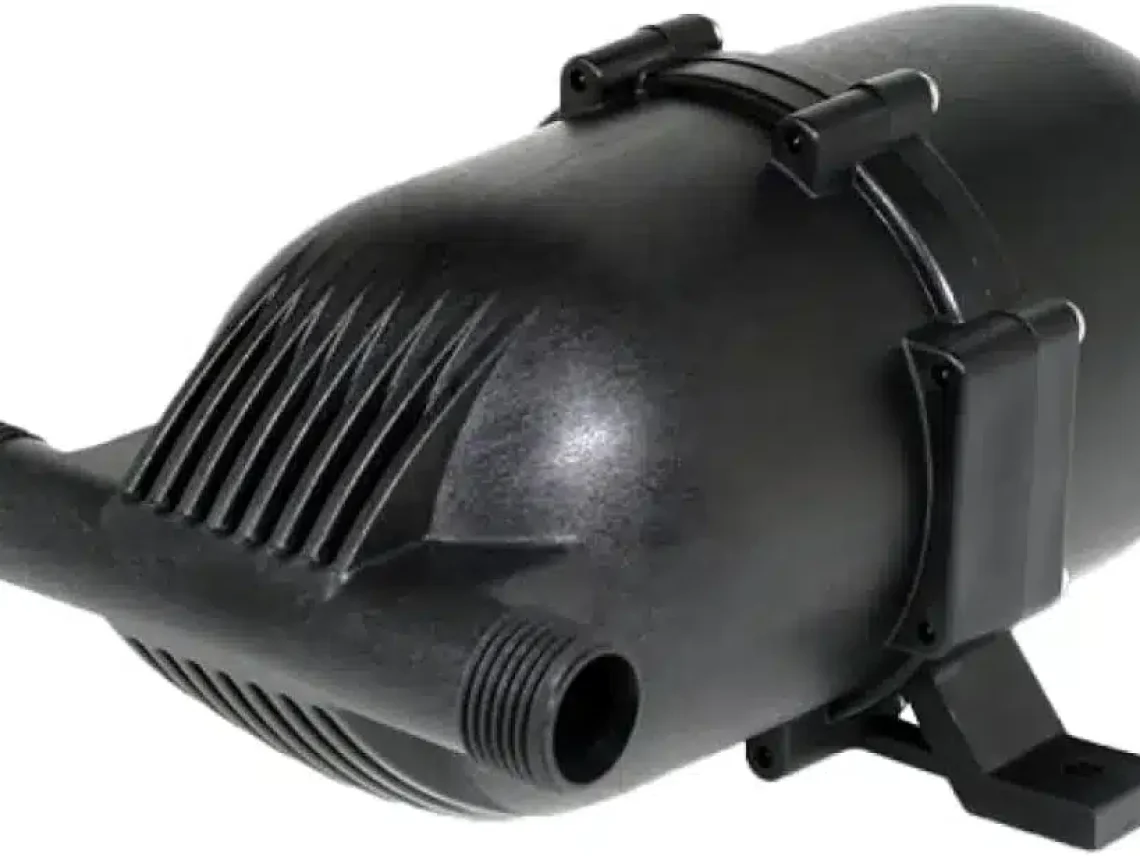
In modern fuel systems, a fuel pressure damper plays a critical role in maintaining stable fuel delivery. It dampens pressure fluctuations in the fuel lines, protects against wear, and helps ensure the engine operates efficiently under varying load conditions. This guide explains everything from how a fuel pressure damper works, to how you test and maintain it, and what differences it makes for performance and compliance.
A fuel pressure damper is a mechanical device designed to reduce pressure spikes and pulsations in the fuel delivery system. It typically includes a diaphragm, gas chamber or spring mechanism, and is mounted close to the fuel rail or regulator. Its job is to absorb sudden changes when injectors open and close, smoothing fuel flow so that pressure remains steady.
Internal link: For deeper details on different components of pulsation dampeners, see Components of Pulsation Dampeners.
Diaphragm-based dampers: Use a flexible diaphragm to absorb pressure surges.
Gas-charged dampers: Include a gas pocket that compresses under pressure pulses.
Orifice or resistor-type designs: Use passage geometry to dampen pulses.
See more about types of pulsation dampeners in our post: Types of Pulsation Dampeners.
When fuel is pumped and injectors fire, pressure pulses travel through the system. A fuel pressure damper responds to those pulses by allowing part of the pressure to be absorbed—either by compressing gas, flexing a diaphragm, or channeling fuel via orifice paths. The result is reduced pressure spike magnitudes, less vibration, and more consistent fuel supply.
Studies such as Development of optimal diaphragm‑based pulsation damper structure (ScienceDirect) show how diaphragm design can be optimized to reduce oscillations in high‑pressure fuel systems, especially in GDI engines.
Other research (ScienceDirect) into pressure pulsation damper design demonstrates that correctly modeling resistance paths (orifices) and stabilizers can significantly improve pressure stability.
Protects injectors and fuel lines from fatigue and damage
Improves fuel atomization and combustion, enhancing performance
Reduces emissions by preventing erratic fuel delivery
Helps meet regulatory compliance (especially in automotive, industrial, or maritime sectors)
Rough idle, surging under load, poor throttle response
Increased engine vibration and noise
Fault codes, failed emissions tests
Potential fuel line or injector damage
Calibrated fuel pressure gauge
Safety equipment: gloves, eye protection
Regulatory manual or specification sheet
Review manufacturer or regulatory fuel pressure specifications
Warm up engine under normal conditions
Measure baseline pressure at idle, under acceleration, and full load
Monitor fluctuations with damper in place
Compare readings to accepted fluctuation limits (e.g. ±5‑10%)
Inspect damper diaphragm or gas chamber for wear
Replace dampers at manufacturer‑recommended intervals
Ensure fuel filter and regulator upstream are in good condition
Different industries have different standards. For example:
Automotive emissions and DOT specifications
Industrial safety codes for fuel system pressure stability
Marine / ABYC for fuel delivery and safety
Internal link: Learn how to choose the right dampener in our guide: Ultimate Guide to Choosing the Right Pulsation Dampener
Internal link: For industrial applications, see our discussion in Pulsation Dampeners in Industrial Applications
A properly designed and maintained fuel pressure damper ensures your engine gets smooth, regulated fuel pressure, improving performance, protecting components, and supporting compliance with relevant standards. When this component works well, it’s easy to overlook—but when it fails, the consequences show quickly.
Ready to improve your engine’s fuel pressure stability? Contact Red River today to discuss custom fuel pressure dampers, get help selecting the right model, or order units built for your specific application. Experience reliability, performance, and compliance you can trust.
A fuel pressure damper is a type of pulsation damper specifically focused on maintaining constant fuel rail or regulator pressure. Pulsation damper is a broader term that includes devices for any kind of fluid/gas to reduce pulsation. The terms are often used interchangeably, but fuel pressure damper emphasizes pressure regulation in fuel systems.
Look for rough idle, hesitation during acceleration, fuel smell, inconsistent fuel pressure readings, or diagnostic fault codes related to fuel delivery.
Replacement intervals depend on engine type, duty cycle, and fuel quality. Check your OEM’s recommendations; regular inspections every service interval help determine when replacement is due.
Yes. If the damper is undersized, has wrong damping characteristics, or uses inappropriate materials, it may not absorb pulsations effectively, causing erratic fuel flow, injector wear, or pressure spikes.
High temperature can expand gas chambers or soften diaphragms, reducing damping effectiveness. Low temperature might cause sluggish response. Good dampers are designed to operate across expected temperature ranges.
Yes. Depending on region and application, standards may include OEM specifications, DOT, NFPA, or local safety and environmental codes. Materials, pressure limits, and safety requirements are often regulated.
Fuel pressure damper smooths out pressure spikes to maintain steady fuel delivery and protect system components
Effective design (diaphragm, gas chamber, orifices) is essential for performance and durability
Regular testing using a pressure gauge under varying engine loads reveals if the damper is working properly
Materials, temperature range, and size matter for selecting the right damper for your engine
Failure to use or maintain a proper damper can lead to performance loss, emissions issues, and component damage
In the realm of industrial solutions, Red River emerges as a pioneer, offering a diverse range of custom-engineered products and facilities. Among our specialties is the design and production of Custom/OEM Pressure Vessels, meticulously crafted to meet individual client requirements, ensuring performance under various pressure conditions. Our expertise extends to the domain of prefabrication, where Red River leads with distinction.
The company excels in creating prefabricated facilities, modules, and packages, reinforcing its stance as a forerunner in innovation and quality. This proficiency is further mirrored in their Modular Skids offering, where they provide an array of Modular Fabricated Skid Packages and Packaged equipment. Each piece is tailored to client specifications, underlining their commitment to delivering precision and excellence in every project they undertake.
The selection of materials for pressure vessel construction is paramount. The key factors include the vessel’s operating temperature and pressure, the chemical nature of the contents, potential corrosion risks, and the required strength and durability. Material compatibility with the contents ensures chemical integrity, while factors like tensile strength, yield point, and impact resistance determine the vessel’s ability to withstand pressure. Additionally, considerations for thermal expansion and contraction are vital for maintaining structural integrity under varying temperatures.


