How to Size Pressure Tank (Step-by-Step Guide)
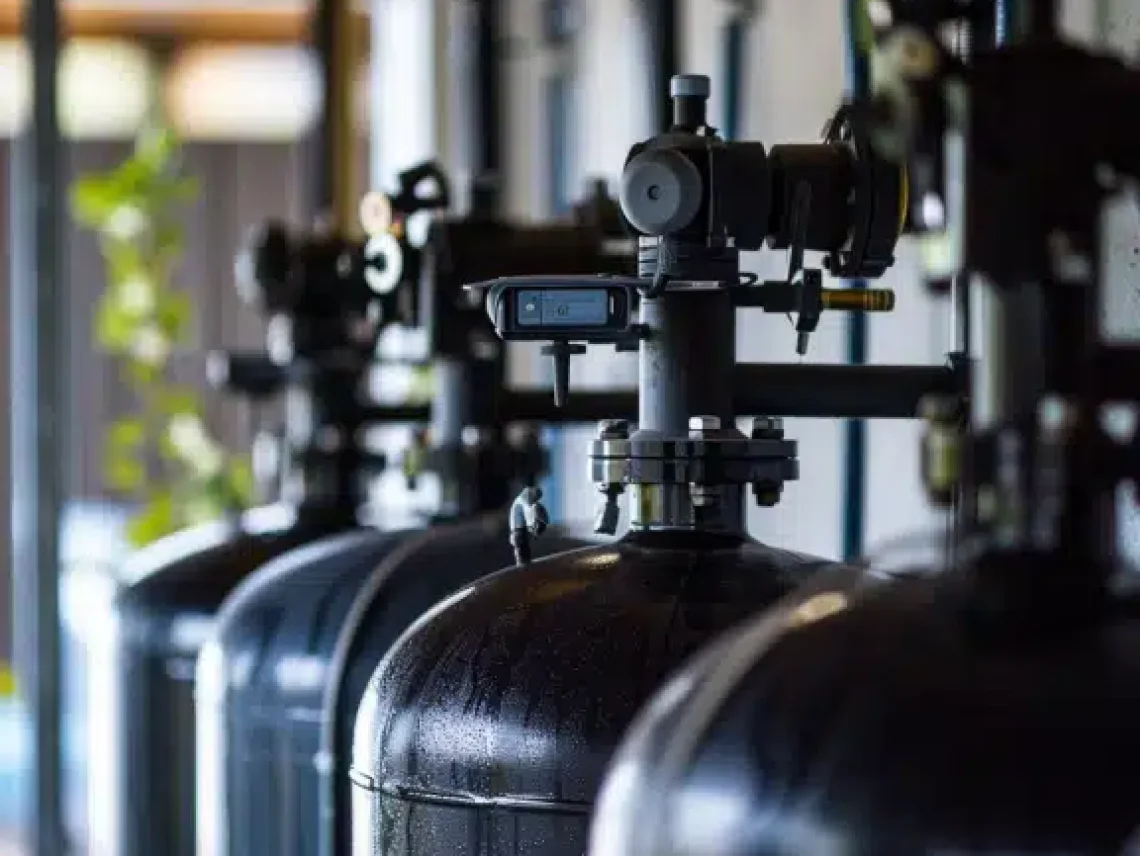
Why Getting Pressure Tank Sizing Right Changes Everything
If you’re searching for how to size pressure tank for your well system, you’re in the right place. Choosing the correct pressure tank size is one of the most critical decisions for homeowners and facility managers alike. The right tank will boost your pump’s lifespan, provide consistent water pressure, and save energy. In this guide, we break down the essentials, walk you through the sizing formula, and answer your most common questions—all so you can make a confident decision and avoid costly mistakes.
Why Pressure Tank Size Matters
A well-sized pressure tank is the backbone of any water system. Too small and you’ll face constant pump cycling, high energy bills, and rapid pump failure. Too large and you might waste space and money. Proper sizing ensures:
Consistent water pressure for showers, appliances, and irrigation.
Extended pump life by reducing start-stop cycles.
Efficient operation and long-term cost savings.
You can read more about tank orientation in vertical vs horizontal pressure tanks or discover the best materials for pressure tanks to pair with your system.
What You Need to Know Before Sizing
Before you dive into how to size pressure tank, gather this information:
Pump flow rate (GPM): Your pump’s gallons per minute capacity.
Desired run time: Ideally, your pump should run for at least one minute per cycle to prevent short cycling.
Pressure switch settings: Typical residential setups use a 30-50 PSI switch.
Household water demand: Peak usage times and the number of fixtures in your home.
If you need help understanding tank materials or comparing designs, see our guide to fiberglass vs steel pressure tanks.
Step-by-Step Pressure Tank Sizing Formula
Ready to learn how to size pressure tank for your needs? Here’s the step-by-step process used by professionals:
Step 1: Determine Pump Flow Rate
Find your well pump’s GPM rating, often listed on the pump label or manual.
Step 2: Decide on Minimum Run Time
Experts recommend a minimum pump run time of 1 minute. For larger systems or heavy usage, aim for 2 minutes.
Step 3: Calculate Drawdown
Drawdown is the amount of usable water the tank provides between the pump turning on and off.
Drawdown (gallons) = Pump flow rate (GPM) x Run time (minutes)
Step 4: Adjust for Pressure Settings
Tank drawdown varies by pressure switch setting. For example, a 30-50 PSI switch offers more drawdown than a 40-60 PSI switch
Step 5: Select Tank Size
Choose a tank with a usable drawdown that matches or exceeds your calculated drawdown. Manufacturer charts provide this info, or check industry resources for guidance.
Example:
If your pump delivers 10 GPM and you want a 1-minute run time:
Drawdown = 10 x 1 = 10 gallons
Choose a pressure tank with at least 10 gallons of usable drawdown at your pressure settings.
For more tank selection advice, check our page on deciding on the right pressure tank.
Sizing Chart by Home Size and Usage
| Home Size | Typical Pump GPM | Recommended Tank Drawdown | Suggested Tank Size* |
|---|---|---|---|
| Small (1–2 bath) | 5–7 | 5–10 gallons | 20–40 gallons |
| Medium (3–4 bath) | 8–12 | 8–14 gallons | 40–60 gallons |
| Large (5+ bath) | 12+ | 12–20 gallons | 60–80+ gallons |
*Tank size refers to total capacity; check manufacturer specs for usable drawdown.
For those weighing bladder vs non-bladder tanks, see our resource: choosing between bladder tanks and pressure tanks.
Conclusion
Knowing how to size pressure tank is a simple, powerful way to maximize your well system’s efficiency and avoid the most common pitfalls. Gather your system details, use the drawdown formula, and always select a tank that matches your real-world needs.
If you want a deeper dive on tank types and setup, don’t miss vertical vs horizontal tank selection.
Call to Action (CTA)
Ready to upgrade your water system or need expert help sizing your pressure tank?
Contact Red River today and let our American-made engineering keep your water flowing, efficiently and reliably.
FAQ Section
What formula is used to size a pressure tank?
To size a pressure tank, use: Drawdown (gallons) = Pump flow rate (GPM) x Desired run time (minutes). Choose a tank with a usable drawdown equal to or greater than this value. Learn more.
How do I know if my tank is too small?
If your pump turns on and off frequently or you experience uneven water pressure, your tank is likely undersized. This can shorten your pump’s lifespan.
What size pressure tank do I need for a 3-bedroom house?
Most 3-bedroom homes with standard water usage need a tank with at least 8–10 gallons drawdown—typically a 40–60 gallon tank.
What is drawdown in a pressure tank?
Drawdown is the actual amount of water your tank can supply between pump cycles. It varies based on tank size and pressure switch settings. More info.
What happens if my pressure tank is too large?
A slightly oversized tank is usually fine, but a much too large tank can take up unnecessary space and cost more. For low-use systems, it may also risk water stagnation.
Does pressure tank orientation matter?
Yes, orientation (vertical vs horizontal) affects installation and maintenance. Explore options in our guide.
How often should I check my pressure tank?
Inspect your pressure tank and check the air charge every 6–12 months. Look for leaks and test your pressure switch function regularly.
Should I choose a bladder or diaphragm pressure tank?
Bladder and diaphragm tanks both have pros and cons. Bladder tanks are popular for residential use due to easy maintenance. See our comparison guide.
Key Takeaways
Sizing your pressure tank correctly is vital for efficiency and pump life.
Use the drawdown formula: Pump GPM x Run time (min).
Match your tank’s usable drawdown to your home’s peak needs.
Consult manufacturer charts for exact specs.
Regular maintenance and expert advice help avoid common problems.
Explore our other guides for material and design choices.
Solutions
In the realm of industrial solutions, Red River emerges as a pioneer, offering a diverse range of custom-engineered products and facilities. Among our specialties is the design and production of Custom/OEM Pressure Vessels, meticulously crafted to meet individual client requirements, ensuring performance under various pressure conditions. Our expertise extends to the domain of prefabrication, where Red River leads with distinction.
The company excels in creating prefabricated facilities, modules, and packages, reinforcing its stance as a forerunner in innovation and quality. This proficiency is further mirrored in their Modular Skids offering, where they provide an array of Modular Fabricated Skid Packages and Packaged equipment. Each piece is tailored to client specifications, underlining their commitment to delivering precision and excellence in every project they undertake.


Related Blog Post
Which Materials Suit Make-Up Water Service?
How Big Should Make-Up Water Tanks Be?
Make-Up Water Tanks: Design, Sizing, and Fabrication
When to Spec Equalization Tanks for Industrial Systems
How Do Equalization Tanks Balance Flow?
No subpillar set for this blog post.
About Author