
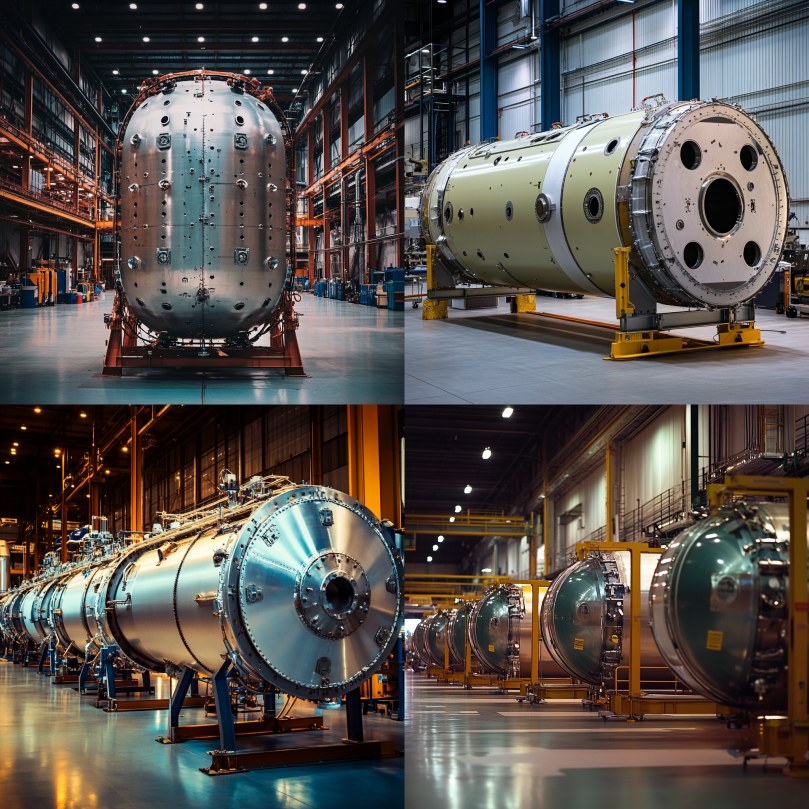
How American Aerospace Pressure Vessels Advance Space and Flight
In the high-stakes world of aerospace, where failure is not an option, American aerospace pressure vessels serve as silent guardians of mission success. Whether in the vacuum of space or deep within advanced aircraft systems, these engineered components store, regulate, and transport fluids and gases under extreme pressure. Organizations with deep fabrication expertise, such as those highlighted on the Red River Team homepage, demonstrate how precision manufacturing underpins mission-critical performance.
Designed to function flawlessly amid violent vibration, massive pressure swings, and rapid thermal transitions, these vessels are far more than supporting hardware. From rocket fuel tanks to onboard oxygen systems, modern aerospace platforms depend on proven engineering, rigorous testing, and standards similar to those described in ASME-certified pressure vessel practices and comprehensive safety and compliance guidelines.
Key Roles of Pressure Vessels in Aerospace Engineering
Aerospace applications of American pressure vessels are diverse and strategically vital. These vessels support a range of systems designed for flight, launch, and life support. Below are key applications:
- Rocket propulsion systems: For storing oxidizers, propellants, and inert gases
- Aircraft hydraulic systems: To maintain pressure in fluid delivery systems
- Environmental control systems (ECS): Providing cabin pressurization and oxygen storage
- Launchpad fueling infrastructure: Enabling safe handling of cryogenic fuels
- Spacecraft life-support modules: Supplying breathable air and emergency gases
These roles parallel industrial applications explained in resources like types of industrial pressure vessels and the fundamentals of pressure vessel definitions and thresholds. Understanding failure risks is equally critical, as outlined in discussions of types of failure in pressure vessels and failure criteria for pressure vessels.
Design Considerations for Aerospace Pressure Vessels
Designing for aerospace environments demands far stricter requirements than typical industrial service. Engineers must optimize every parameter for safety, weight, and survivability.
Lightweight Materials
Mass reduction is essential for launch efficiency. Advanced alloys and composites mirror those explored in guides on choosing the right material for pressure vessel fabrication and ideal fabrication materials.
High-Pressure Ratings
Many aerospace systems exceed 3,000 psi, requiring seamless construction and advanced head geometries similar to those described in common pressure vessel head designs.
Extreme Temperature Tolerance
From cryogenic storage to intense aerodynamic heating, vessels must endure extraordinary thermal gradients. Insights into pressurization behavior can be found in mastering vessel pressurization.
Vibration and Impact Resistance
Launch loads and turbulence demand fatigue-resistant structures validated through extensive modeling and testing, echoing principles in pressure vessel inspection best practices and inspection requirements.
Leak-Proof Performance
Even microscopic leaks can be catastrophic in space. Precision welding, fabrication, and quality assurance procedures align with processes detailed in pressure vessel manufacturing and broader metal fabrication techniques.
Material Selection and Testing Protocols
The aerospace applications of American pressure vessels demand certified materials tested to both commercial and military-grade standards. Common materials include:
- Titanium alloys: For corrosion resistance and high strength-to-weight ratio.
- Stainless steel (316L, 17-4PH): For thermal tolerance and impact durability.
- Inconel and Hastelloy: For high-temperature environments.
- Carbon composites: Used in cryogenic and space applications.
Furthermore, all vessels are subjected to destructive and non-destructive testing such as:
- Hydrostatic testing
- X-ray and ultrasonic inspection
- Helium leak detection
- Burst and fatigue tests
Certification and Regulatory Compliance
Aerospace pressure vessels must meet stringent codes to ensure mission safety:
ASME Boiler and Pressure Vessel Code
NASA spaceflight standards
FAA aviation regulations
Military specifications
ASTM and SAE standards
Compliance culture mirrors best practices described in ASME pressure vessel standards and the broader context of pressure vessel purpose and safety.
Examples of Real-World Aerospace Pressure Vessel Use
American aerospace pressure vessels are currently in use across a wide array of advanced aerospace programs, including:
- NASA’s Artemis Program: Cryogenic fuel tanks and high-pressure gas vessels used in the Space Launch System (SLS).
- SpaceX and Blue Origin: Helium pressurization tanks and oxidizer vessels that enable controlled thrust and stage separation.
- U.S. military aircraft and drones: Use pressure vessels for oxygen supply, hydraulic systems, and pilot life-support regulators.
- Satellite systems: Incorporate small, lightweight pressure tanks for propulsion and attitude control in zero-gravity environments.
For broader context on space applications, see analyses such as pressure vessels in space exploration and engineering insights from reactor and specialty vessel manufacturing.
Pressure Vessels in Aerospace Missions
The strategic importance of aerospace pressure vessels will only grow as missions expand toward Mars exploration, hypersonic flight, and autonomous orbital platforms. Advanced manufacturing approaches, including modular fabrication described in prefabrication solutions and integrated systems like modular skids, enable faster deployment of complex aerospace infrastructure.
Organizations seeking custom solutions often explore full-service capabilities pages such as engineering capabilities and tailored industry solutions, or initiate projects through a request for quote.
Ultimately, these vessels are not merely tanks. They are mission-enabling systems that safeguard crews, power propulsion, and sustain life beyond Earth. As aerospace ambitions intensify, the demand for ultra-reliable American pressure vessel engineering will continue to accelerate, pushing the boundaries of science, safety, and human exploration.
Need a reliable partner?
Red River specializes in the design and manufacturing of pressure vessels. We also fabricate related items such as prefabricated spools and skid packages.
Reach out to us today and experience the Red River difference. Where American-made products and American Values come together, we care more.
Frequently Asked Questions
1. What are pressure vessels used for in aerospace applications?
They support systems such as propulsion, hydraulic regulation, oxygen storage, and environmental control.
2. What materials are typically used in aerospace pressure vessels?
Titanium, stainless steel, carbon composites, and high-grade alloys are commonly used.
3. Are aerospace vessels different from industrial ones?
Yes. Aerospace applications of American pressure vessels demand tighter tolerances, lighter materials, and space-specific certifications.
4. What standards govern aerospace pressure vessels?
ASME BPVC, NASA-STD codes, FAA regulations, and military specifications apply.
5. Can aerospace pressure vessels be customized?
Absolutely. Customization is often required to meet unique mission parameters and structural needs.
Key Takeaways
- Aerospace applications of American pressure vessels are crucial to aircraft and space system performance.
- Designs must account for high pressure, extreme temperatures, and vibration resistance.
- Lightweight, high-strength materials like titanium and composites are preferred.
- Compliance with ASME, NASA, FAA, and MIL-STD codes ensures mission success.
- Custom-built vessels are essential for specialized aerospace systems and evolving technologies.
Related Blog Post
Pressure Vessel Design & Engineering: Concept to Launch
What is Pressure Vessel Design and Engineering: Code-Ready Guide
What are the Key Factors in Pressure Vessel Engineering
How Do You Design a Pressure Vessel: A Step-By-Step Guide
What is Pressure Vessel Fabrication and Manufacturing
- How U.S. Nuclear Pressure Vessels Power American Nuclear Plants
- How Food Processing Pressure Vessels Support U.S. Food Plants
- Role of American Chemical Pressure Vessels in Plant Operations
- Pressure Vessels in Biotech and Biofuel: A Growing Trend
- How American Marine Pressure Vessels: U.S. Maritime Operations
- How Pressure Vessels for Pharmaceuticals Support U.S. Drug Manufacturing



