
What is Glycol Used for Cooling?
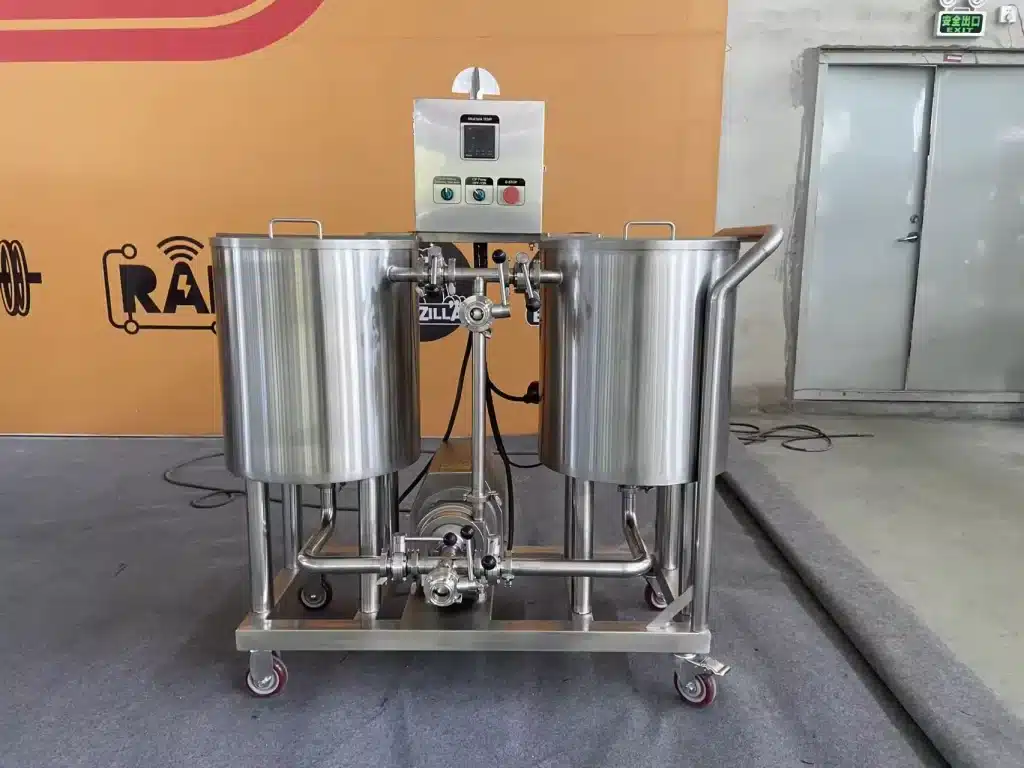
[ez-toc] Glycol is a key coolant used in industrial and commercial cooling systems, lowering water’s freezing point to maintain optimal temperatures and prevent freezing. Ethylene glycol offers high heat transfer efficiency but is toxic, while propylene glycol is safer and biodegradable, suitable for food and environmentally sensitive applications. Introduction to Glycol Cooling Systems Overview of […]
How a Glycol System Works
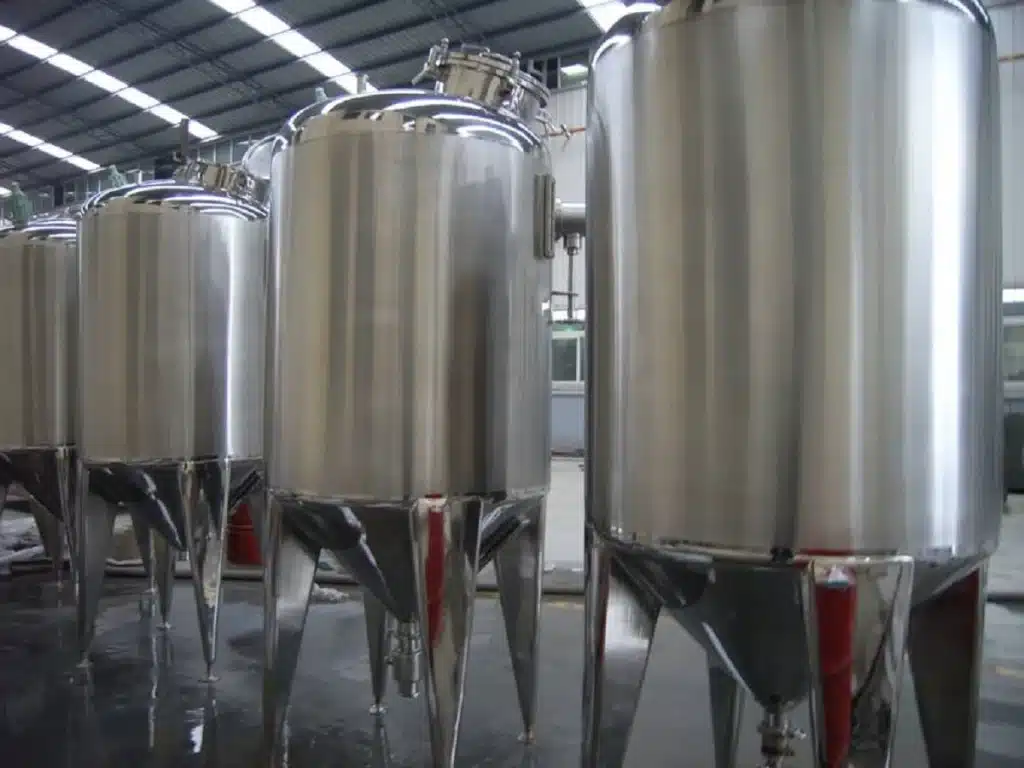
[ez-toc] Glycol systems circulate ethylene or propylene glycol through industrial processes to efficiently transfer heat, prevent freezing, and maintain stable temperatures. They are critical in industries like oil and gas, power generation, biogas, and HVAC for reliable, energy-efficient operations. Introduction to Glycol System Operations A glycol system actively manages and controls the flow of glycol […]
Glycol Called Antifreeze
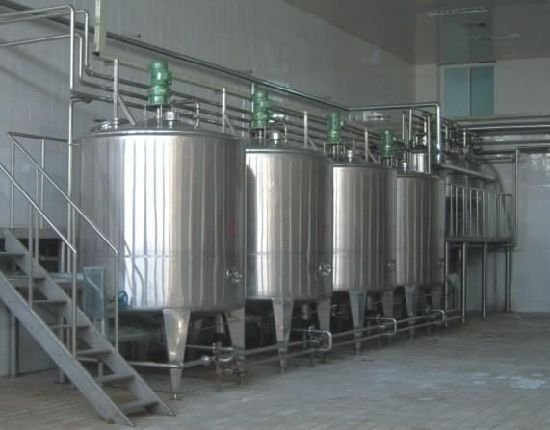
[ez-toc] Glycol acts as an antifreeze by lowering the freezing point and raising the boiling point of fluids, protecting engines and industrial systems from extreme temperatures. Ethylene glycol is highly efficient but toxic, while propylene glycol offers a safer, environmentally friendly alternative for sensitive applications. Introduction to Glycol as Antifreeze Overview of Antifreeze Solutions Antifreeze […]
Understanding Antifreeze in Boiler Systems: Importance and Benefits
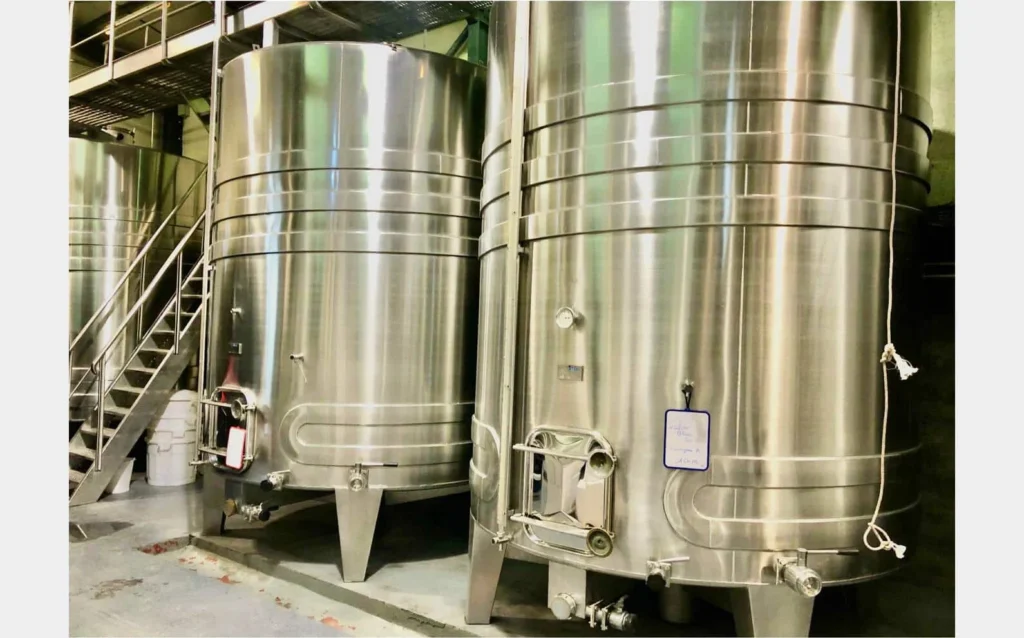
Antifreeze in boiler systems, typically glycol, prevents freezing, inhibits corrosion, and improves heat transfer, ensuring reliable operation in cold climates. Ethylene glycol offers high efficiency but is toxic, while propylene glycol is safer and environmentally friendly for residential and commercial use. Why Antifreeze is Essential for Your Boiler When it comes to maintaining an efficient […]
Understanding Antifreeze in Boiler Systems: Importance and Benefits
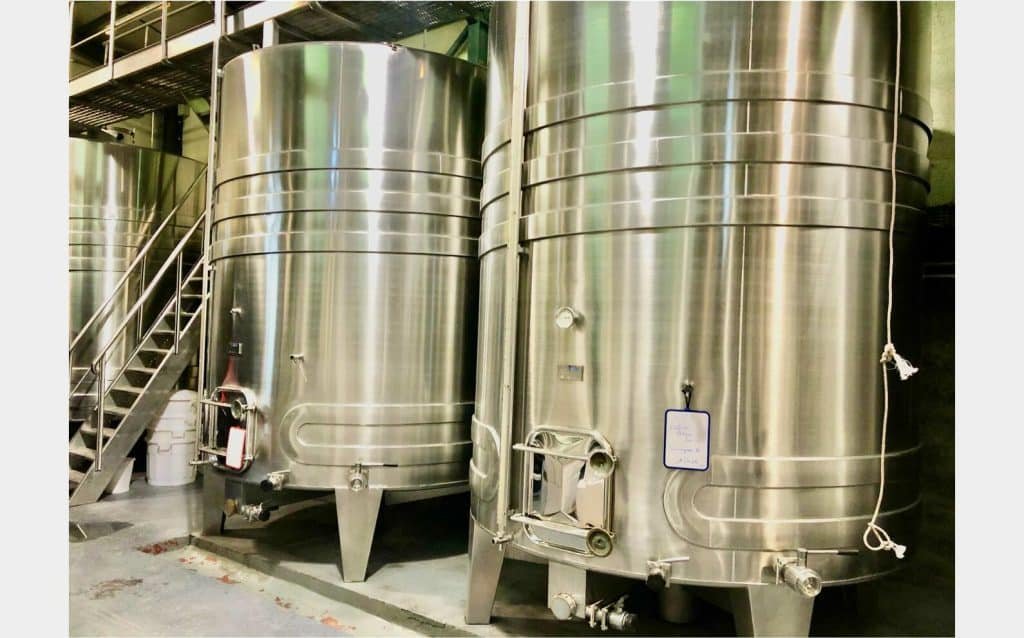
[ez-toc] Antifreeze in boiler systems, typically glycol, prevents freezing, inhibits corrosion, and improves heat transfer, ensuring reliable operation in cold climates. Ethylene glycol offers high efficiency but is toxic, while propylene glycol is safer and environmentally friendly for residential and commercial use. Why Antifreeze is Essential for Your Boiler When it comes to maintaining an […]
The Benefits of Glycol Over Water
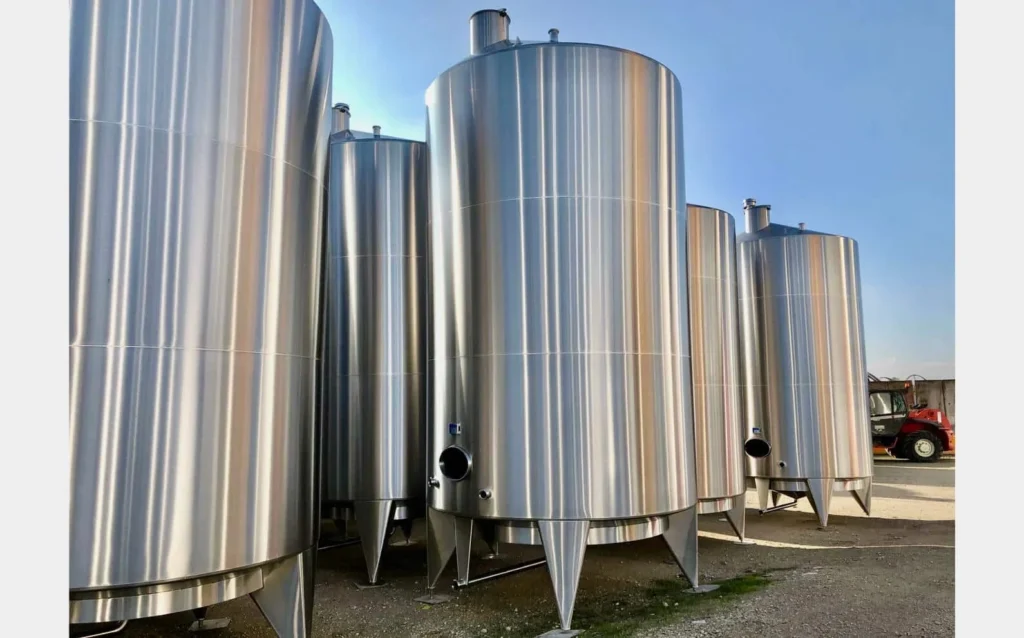
Glycol offers superior freeze protection, corrosion inhibition, and reliability compared to water in industrial heating and cooling systems, making it ideal for extreme temperature conditions. While water transfers heat more efficiently, glycol ensures system safety and long-term operational stability. Introduction to the Benefits of Glycol Over Water What is Glycol? Glycol is a versatile and […]
The Benefits of Glycol Over Water
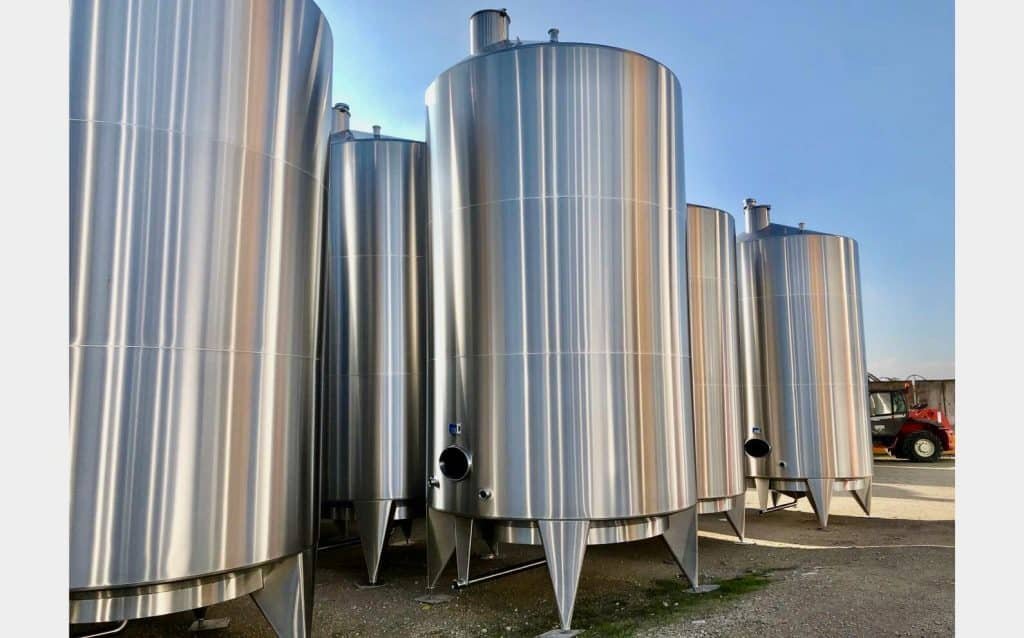
[ez-toc] Glycol offers superior freeze protection, corrosion inhibition, and reliability compared to water in industrial heating and cooling systems, making it ideal for extreme temperature conditions. While water transfers heat more efficiently, glycol ensures system safety and long-term operational stability. Introduction to the Benefits of Glycol Over Water What is Glycol? Glycol is a versatile […]
Do Pressure Vessels Need Certification?
[ez-toc] Yes, pressure vessels almost always need certification, especially in industrial, commercial, or hazardous applications. Certification ensures compliance with safety codes like ASME, PED, or CSA, reducing the risk of accidents, legal penalties, and operational failures. Understanding Pressure Vessel Certification In industrial environments, safety isn’t just a best practice it’s essential. Pressure vessel certification ensures […]
Do Pressure Vessels Need Certification?
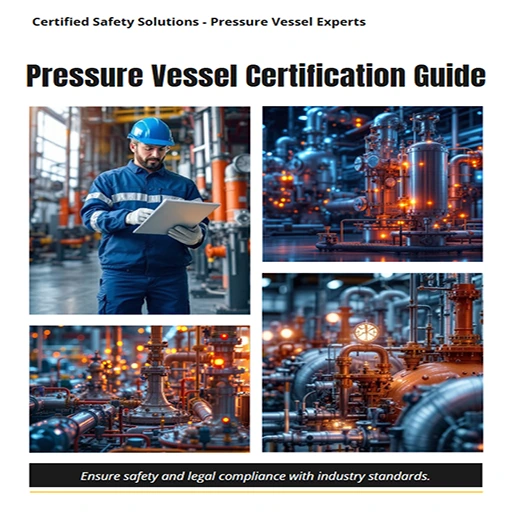
Yes, pressure vessels almost always need certification, especially in industrial, commercial, or hazardous applications. Certification ensures compliance with safety codes like ASME, PED, or CSA, reducing the risk of accidents, legal penalties, and operational failures. Understanding Pressure Vessel Certification In industrial environments, safety isn’t just a best practice it’s essential. Pressure vessel certification ensures that […]
Understanding Pressure Vessel Sizing for Optimal Performance
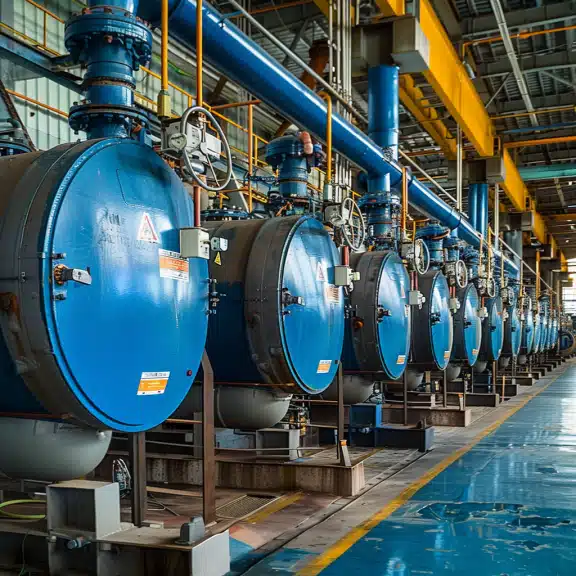
Proper pressure vessel sizing is essential for safety, compliance, and efficient performance across industrial applications. Correct sizing considers pressure requirements, materials, design standards, and operating conditions to avoid costly or dangerous failures. Correct Pressure Vessel Selection Choosing the right size for your pressure vessel isn’t only a technical choice; it’s approximately ensuring protection, reliability, and […]