
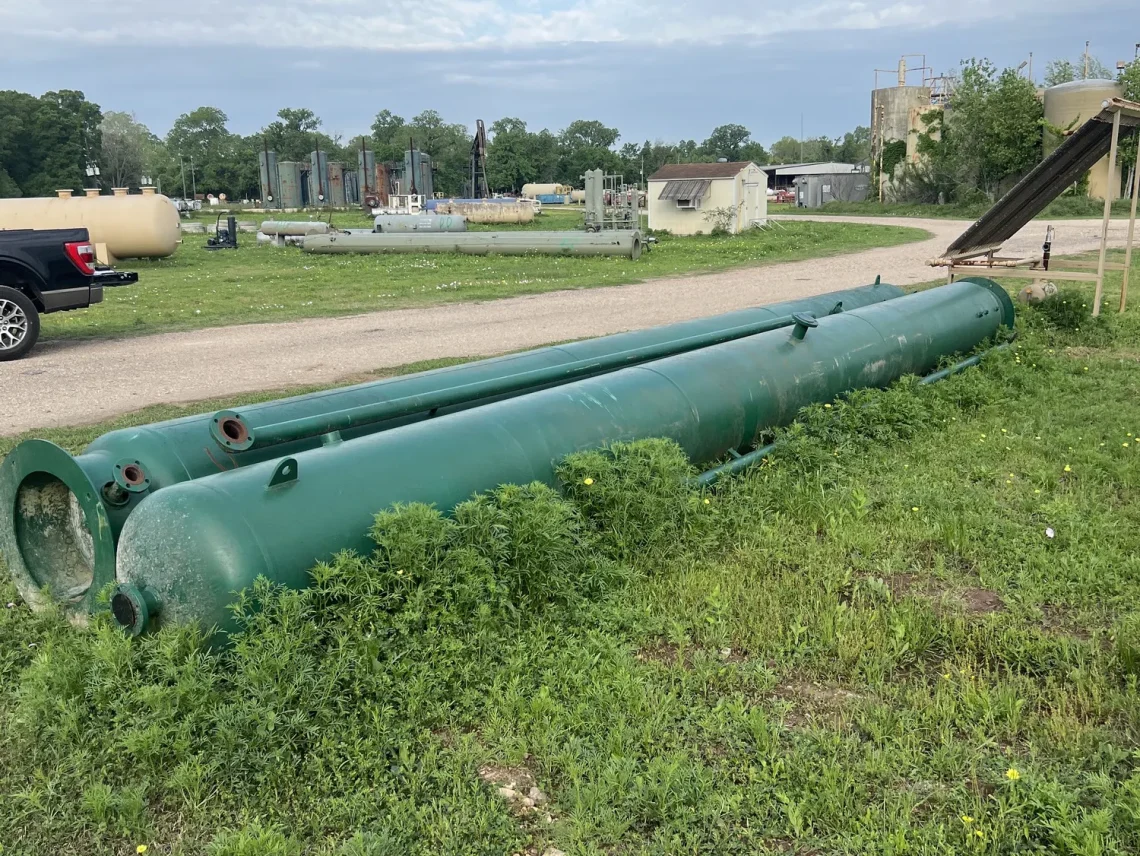
In industrial applications, air dryers play a pivotal role in maintaining equipment performance by reducing moisture levels in compressed air systems. The efficiency of these dryers directly impacts operational costs, machine longevity, and system reliability. Selecting the most energy-efficient air drying system is crucial for reducing downtime and ensuring smooth operations. Whether you’re in mineral extraction or commercial construction, the benefits of efficient air dryers can significantly enhance your project’s bottom line and results.
Choosing the right air dryer leads to:
Improved longevity and reliability of machinery.
Reduced operational costs, contributing to long-term savings.
Significant decrease in downtime due to fewer maintenance needs.
For industries like mineral extraction or biogas production, these advantages translate directly into better project outcomes and cost-effectiveness.
Understanding the various types of air dryers helps in selecting the right system for your specific needs. Here’s a breakdown of the most common types and their ideal applications:
Refrigerated air dryers are perfect for general plant operations. They are one of the most cost-effective solutions for removing condensation and reducing air moisture in compressed air systems. These dryers work well in industrial environments that don’t require ultra-dry air but still need effective moisture removal.
Ideal for:
General plant operations
Smaller to medium-sized systems
Applications where moderate moisture levels are acceptable
Desiccant air dryers are highly efficient at removing moisture from the air, making them ideal for industries that require extremely dry air, such as power generation and biogas production. These dryers use a desiccant material to absorb water vapor, which is then regenerated for repeated use.
Ideal for:
Power generation
Biogas facilities
Industries with sensitive equipment or processes
Membrane air dryers provide clean and dry air using a selective permeation process. These dryers are energy-efficient and are perfect for on-site applications, especially in oil and gas extraction where safety and efficiency are critical.
Ideal for:
Oil and gas extraction sites
Applications where electricity and chemicals should be minimized
Small-scale, mobile operations
Deliquescent air dryers are designed for harsh, remote environments. They absorb moisture directly from the air and are often used in field operations in mineral extraction and oil and gas industries.
Ideal for:
Harsh, remote environments
Field operations
Mineral extraction and remote oil and gas applications
Red River specializes in the design and manufacturing of pressure vessels. We also fabricate related items such as prefabricated spools and skid packages.
Reach out to us today and experience the Red River difference. Where American-made products and American Values come together, we care more.
Air dryers are essential in preventing moisture-induced corrosion and equipment degradation in pressure vessels. By removing water vapor from compressed air, they eliminate condensation, reducing the risk of corrosion and scale buildup inside pressure vessels. This increases safety by reducing the risk of pressure-related accidents and extends the lifespan of the vessels.
When selecting an air dryer for high-humidity environments, it’s crucial to consider the dew point capabilities and the design resistance of the dryer to ambient conditions. Desiccant air dryers, known for their ability to reach very low dew points, are often preferred in these environments to ensure the integrity of the pressure vessel and the quality of the compressed air.
Yes, different types of air dryers have varying energy consumption levels. For example:
Refrigerated air dryers tend to consume more energy but are cost-effective for larger systems.
Desiccant air dryers, while more energy-intensive in the regeneration process, are ideal for applications requiring extremely dry air.
Understanding the energy demands of each type is essential for choosing the right dryer for your system’s needs.
Recent advancements in air dryer technology focus on energy efficiency and material science, such as improved heat exchangers, more efficient desiccant materials, and enhanced system automation. These innovations will help integrate air dryers into more compact designs, reducing operational costs and improving system performance.
Maintenance requirements vary by air dryer type:
Refrigerated air dryers require checks on refrigerant levels, heat exchangers, and condensate drains.
Desiccant air dryers need regular replacement or regeneration of the desiccant material, as well as checks on heating elements and valves.
Membrane dryers need less maintenance but require periodic checks for blockages or leaks.
Proper maintenance ensures longevity and optimal performance of both the air dryers and pressure vessels.
In the realm of industrial solutions, Red River emerges as a pioneer, offering a diverse range of custom-engineered products and facilities. Among our specialties is the design and production of Custom/OEM Pressure Vessels, meticulously crafted to meet individual client requirements, ensuring performance under various pressure conditions. Our expertise extends to the domain of prefabrication, where Red River leads with distinction.
The company excels in creating prefabricated facilities, modules, and packages, reinforcing its stance as a forerunner in innovation and quality. This proficiency is further mirrored in their Modular Skids offering, where they provide an array of Modular Fabricated Skid Packages and Packaged equipment. Each piece is tailored to client specifications, underlining their commitment to delivering precision and excellence in every project they undertake.


