
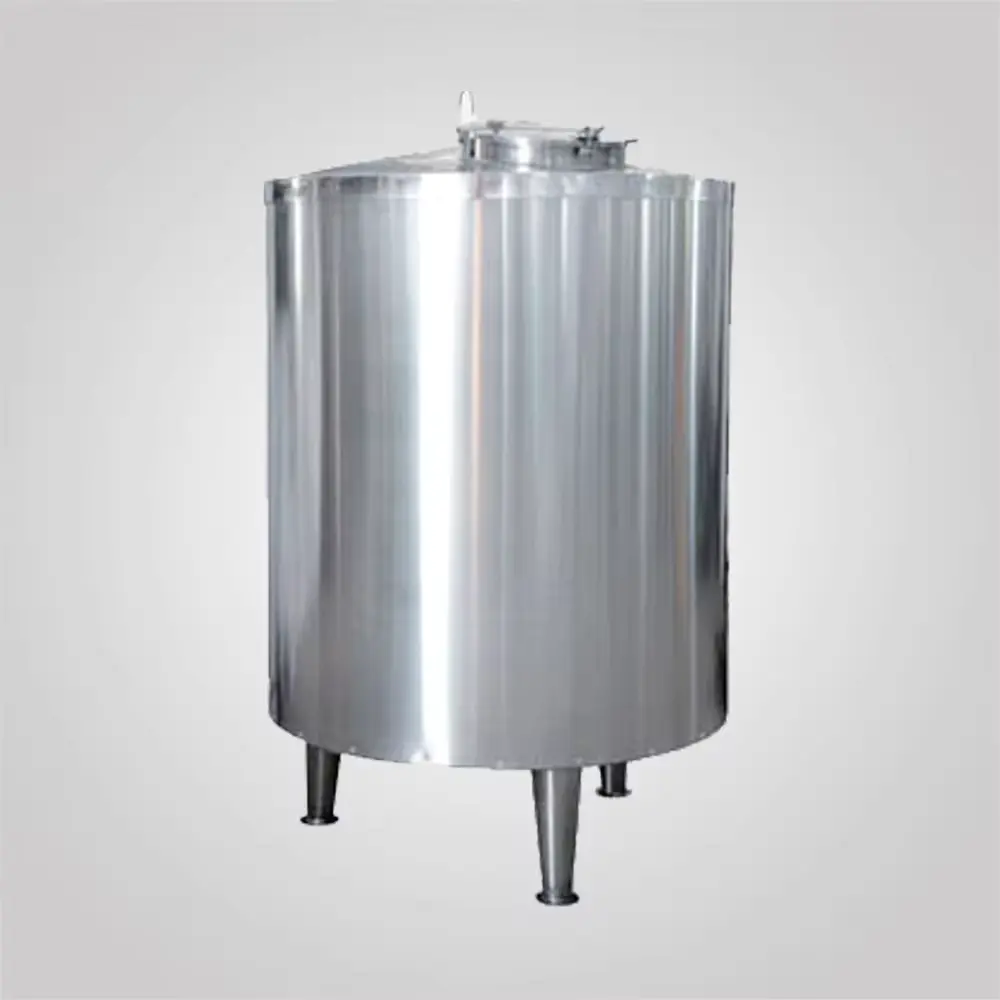
Glycol can interact with plastics in ways that may weaken or degrade them, depending on the plastic type and chemical resistance. Selecting glycol-compatible plastics and monitoring for signs of degradation is essential to maintain equipment integrity and long-term performance.
Understanding Glycol Plastic Compatibility
What Is Glycol?
Glycol, a versatile compound, is usually used in various commercial and industrial programs. Specifically, it is a kind of alcohol with hydroxyl companies connected to exceptional carbon atoms. Consequently, this unique structure offers glycol its different properties, making it crucial in numerous industries, from automobile to HVAC systems.
Common Applications of Glycol
You’ll locate glycol in antifreeze, hydraulic fluids, and de-icing solutions, among other applications. For instance, its ability to decrease the freezing point and raise the boiling point of liquids makes it worthwhile in systems where temperature regulation is vital. In pressure vessel manufacturing, glycol performs a crucial role by ensuring the integrity and overall performance of the equipment, particularly in harsh environmental conditions.
Types of Glycol and Their Properties
There are several varieties of glycol, each with precise properties suitable for unique applications. Generally, the most common types consist of ethylene glycol and propylene glycol. For example, ethylene glycol is highly effective but poisonous, whereas propylene glycol is safer for applications where human exposure is likely. Both types are recognized for their high boiling points and low freezing points, which make them ideal for a wide range of industrial processes.
Glycol Plastic Compatibility: Plastic Materials and Their Properties
Overview of Plastic Types
Plastics are artificial substances made from polymers, and they come in numerous types, each with unique characteristics. For example, the most common types include polyethylene (PE), polypropylene (PP), polyvinyl chloride (PVC), and polyethylene terephthalate (PET). These materials are specifically chosen based on their properties and suitability for particular applications.
Chemical Resistance of Plastics
The chemical resistance of plastics varies drastically depending on their composition. Some plastics can face up to harsh chemicals and excessive temperatures, while others may additionally degrade while exposed to certain materials. Understanding the chemical resistance of plastics is critical, particularly when they’re used in environments regarding glycol and different reactive compounds.
Glycol Plastic Compatibility: Glycol Interaction with Plastics
How Glycol Affects Different Plastics
Glycol may have varying results on special kinds of plastics. While a few plastics, like positive polyethylenes, can also display high resistance to glycol, others won’t fare as well. Understanding how glycol interacts with various plastics facilitates in selecting the right materials for packages wherein glycol publicity is inevitable.
Chemical Reactions Between Glycol and Plastics
The interaction between glycol and plastics can result in chemical reactions that could weaken the plastic. These reactions can bring about the breakdown of polymer chains, main to a lack of mechanical power and flexibility. Monitoring these interactions is important to save glycol-caused plastic harm in business settings.
Need a reliable partner?
Red River specializes in the design and manufacturing of pressure vessels. We also fabricate related items such as prefabricated spools and skid packages.
Reach Out to us today and experience the Red River difference. Where American Made and American Values come together, we care more.
Frequently Asked Questions
1. Can glycol cause plastic containers to fail?
Yes, glycol can cause plastic containers to fail, especially if the plastic is not proof against glycol. Over time, glycol can cause positive plastics to degrade, main to brittleness, cracking, and in the end, failure of the field. It’s important to select glycol-well-suited plastics for programs in which glycol exposure is anticipated.
2. How can I test if a plastic is glycol-resistant?
To check if a plastic is glycol-resistant, you can behavior chemical compatibility tests. These tests include exposing the plastic to glycol under managed situations and looking at any modifications in its properties, inclusive of color, flexibility, and power. Laboratory checking out can provide unique insights into the plastic’s resistance to glycol, ensuring it’ll perform properly in your precise software.
3. What varieties of plastics are most proof against glycol?
Plastics which include polyethylene (PE), polypropylene (PP), and sure fluoropolymers like polytetrafluoroethylene (PTFE) are normally extra resistant to glycol. These plastics have chemical structures that cause them to be less reactive to glycol, decreasing the danger of degradation and ensuring lengthy-term performance in programs related to glycol publicity.
4. Are there any additives that can enhance a plastic’s resistance to glycol?
Yes, some additives could decorate a plastic’s resistance to glycol. Stabilizers, plasticizers, and antioxidants may be introduced to plastics to improve their chemical resistance and sturdiness. These additives assist preserve the integrity of the plastic while exposing it to glycol and other harsh chemical compounds, extending the lifespan of the fabric.
5. What are the signs and symptoms of plastic degradation because of glycol publicity?
Signs of plastic degradation due to glycol exposure encompass discoloration, loss of flexibility, cracking, and brittleness. In intense instances, the plastic can also become gentle or sticky. Regular inspection of plastic additives uncovered to glycol is important to come across early symptoms of deterioration and save you from equipment failure.
Key Takeaways
- Ethylene glycol and propylene glycol can cause certain plastics to become brittle, crack, or lose flexibility over time.
- Plastics like polyethylene (PE), polypropylene (PP), and PTFE are generally more resistant to glycol exposure.
- Additives such as stabilizers and antioxidants can enhance a plastic’s resistance to glycol degradation.
- Regular testing and inspection help detect early signs of plastic deterioration, preventing equipment failure.
Related Blog Post
How a Glycol System Works
Ethylene Glycol Water: A Complete Heat Transfer Guide
Water Filter Replacement
Why Use Stainless Steel Sheet Metal Fabrication?
How Does Stainless Steel Sheet Metal Fabrication Work
About Author



