
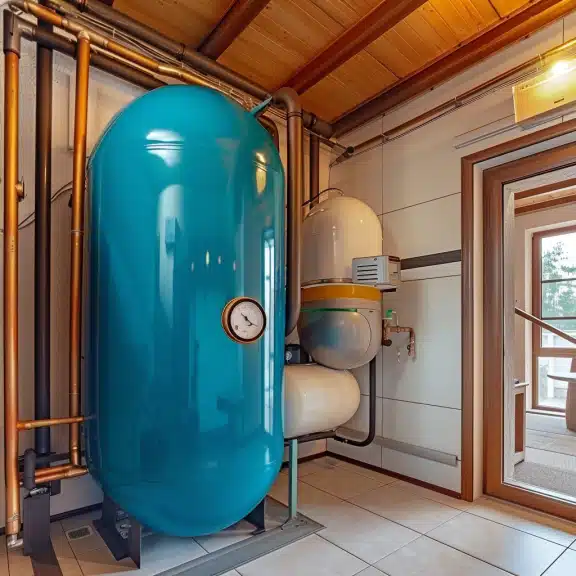
What Size Pressure Tank Do I Need for My House?
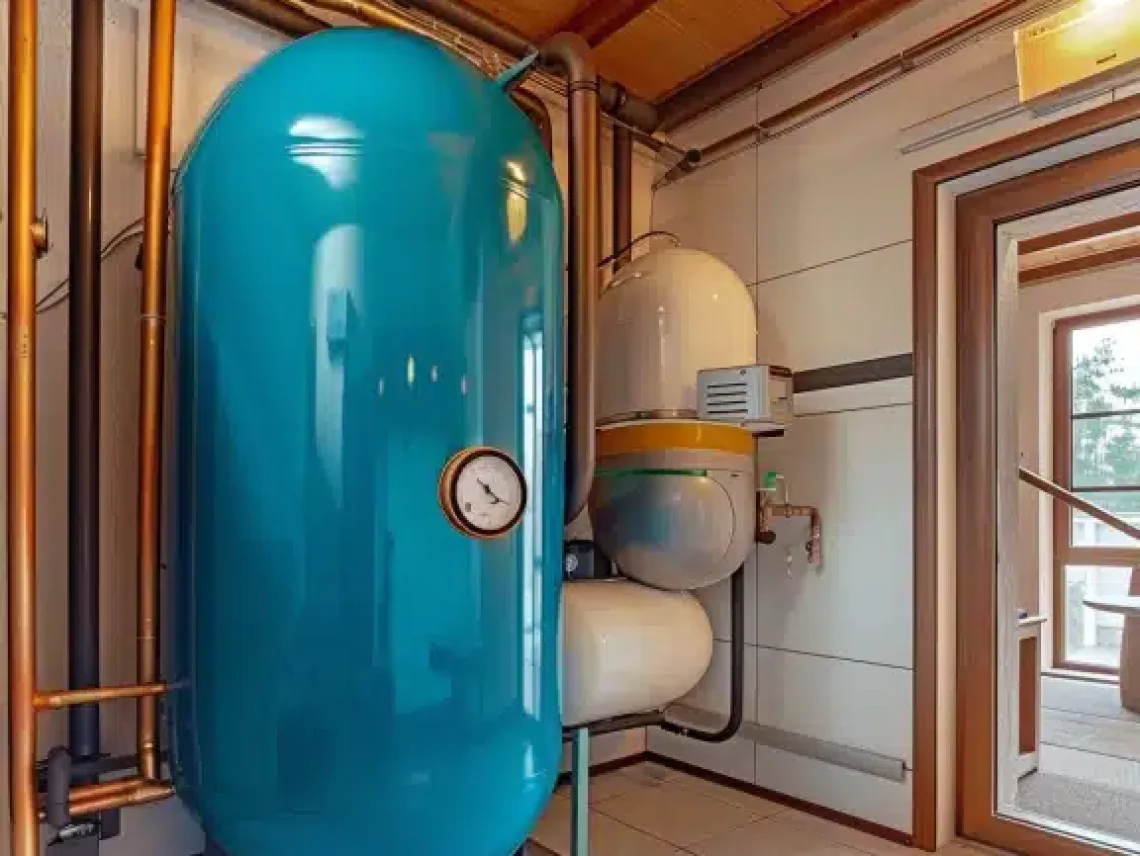
Why the Right Pressure Tank Size is Crucial for Your Home’s Water System
Selecting the right pressure tank size for your home is more important than you might think. If you’re wondering “What size pressure tank do I need for my house?”, understanding the factors that influence your choice can help ensure you have consistent water pressure, a longer-lasting water system, and reduced maintenance costs. Whether it’s for your morning shower, washing dishes, or watering the garden, a properly sized pressure tank supports smooth water flow for all your daily needs.
Getting the size right is critical. Too small a tank may lead to frequent pump cycling, causing inconsistent water pressure and higher energy bills. On the other hand, an oversized tank can take up unnecessary space and cost more than needed. At Red River, we specialize in helping homeowners like you choose the perfect tank for your needs, ensuring optimal performance and cost efficiency.
Understanding the Importance of the Right Pressure Tank Size
The pressure tank is essential for the proper functioning of your home’s water system. Whether you’re on a well or municipal water supply, a well-sized tank helps maintain consistent pressure. For homes using well water, a larger tank is usually required to handle pump cycling effectively. On the other hand, homes with municipal water systems generally need smaller tanks.
Getting the tank size right impacts not just performance but also the longevity of your plumbing and pump system. Too small a tank causes the pump to cycle more frequently, potentially leading to damage over time, while too large a tank could waste both money and space.
For more on the science behind pressure tanks, you can check out this Wikipedia article.
Factors to Consider When Choosing the Right Pressure Tank Size for Your Home
To determine the right pressure tank size, it’s essential to consider several factors related to your home’s water usage. Here are some key considerations:
1. Household Size
The number of people in your household plays a significant role in determining tank size. Larger families typically require larger tanks to handle higher water demands, while smaller households may need a more compact option.
2. Water Usage Patterns
Assessing your daily water consumption helps in choosing the right pressure tank. Homes with several bathrooms, outdoor water systems, or water-intensive appliances (such as dishwashers and washing machines) may require larger tanks.
3. Water Source
For homes relying on well water, a larger tank is required to accommodate the frequent cycling of the pump. On the other hand, homes connected to city water generally need a smaller tank just for maintaining pressure during peak usage times.
4. Pump Type
Different pumps operate at different rates, and your tank needs to match this. Some systems might require larger tanks to maintain consistent pressure without triggering the pump too often.
For more detailed information on how water systems operate, check out this helpful guide on water pressure vessels.
Basic Pressure Tank Sizing for Residential Use
Knowing the fundamentals of pressure tank sizing is essential for making an informed decision. Most homes require a tank that holds about 2-3 gallons per bedroom. However, other factors such as the presence of water-using appliances and water consumption patterns will also influence the final choice.
How Pressure Tanks Work
Understanding how pressure tanks function can help you make the best decision for your home. Pressure tanks store water under pressure to maintain water flow when the pump isn’t running. When the water pressure in the tank drops, the pump activates to refill the tank, maintaining the proper pressure levels.
Modern advancements, such as bladder and diaphragm tanks, have improved efficiency and reduced cycling issues. For more information, you can refer to this Wikipedia article.
Conclusion
Choosing the right pressure tank size for your home ensures consistent water pressure and prolongs the lifespan of your water system. Whether you have a small household or a large family, understanding the factors that influence tank size is key to making the right choice. If you’re uncertain about what size pressure tank is best for you, don’t hesitate to reach out to Red River for expert advice tailored to your home’s needs.
Call to Action (CTA)
At Red River, we are committed to providing high-quality, reliable pressure tanks that perfectly match your needs. If you’re unsure about what size tank you require, or if you need help with installation, contact us today and get expert assistance in finding the right solution for your home.
Frequently Asked Questions
What is the ideal size of a pressure tank for my home?
The ideal size of a pressure tank depends on your household’s water usage and the number of bathrooms. A general rule is 2-3 gallons per bedroom.
How does well water affect pressure tank sizing?
Homes using well water generally need larger pressure tanks to accommodate pump cycling, ensuring stable water pressure and preventing frequent wear on the pump.
Can I use a larger pressure tank than needed?
While it’s possible, an oversized pressure tank can take up unnecessary space and be less cost-effective. It’s important to choose a tank size that matches your specific needs.
How often should I replace my pressure tank?
Typically, a pressure tank lasts between 5 to 15 years depending on usage and maintenance. Regular inspections and maintenance can extend the lifespan of your pressure tank.
What are the signs that my pressure tank needs replacing?
If you notice inconsistent water pressure, frequent cycling of the pump, or unusual noises from the tank, it may be time for a replacement. Learn more here.
Does weather affect pressure tank selection?
Yes, extreme temperatures, especially freezing conditions, can damage your pressure tank. Insulated tanks are ideal for cold climates, while tanks designed to withstand heat are better for warmer areas.
Key Takeaways
The right pressure tank size depends on your household size, water usage, and the type of water supply.
A larger tank is required for homes with well water to reduce pump cycling.
Regular maintenance can extend the lifespan of your pressure tank.
It’s important to match your tank size to your home’s needs to prevent inefficiency and unnecessary costs.
If you’re unsure, reach out to Red River for professional guidance.
Related Blog Post
- How to design pressure tank?
- Do water pressure tanks leak?
- Why do well pressure tanks fail?
- Does pressure tank use electricity?
- What is the lifespan of a pressure tank?
- Can you have too big of a pressure tank?
- What are the disadvantages of a pressure tank?
- Can you add air to a pressure tank with water in it?
- How big of a pressure tank do you need for a house?
- What happens if you have too much air in pressure tank?
Solutions
In the realm of industrial solutions, Red River emerges as a pioneer, offering a diverse range of custom-engineered products and facilities. Among our specialties is the design and production of Custom/OEM Pressure Vessels, meticulously crafted to meet individual client requirements, ensuring performance under various pressure conditions. Our expertise extends to the domain of prefabrication, where Red River leads with distinction.
The company excels in creating prefabricated facilities, modules, and packages, reinforcing its stance as a forerunner in innovation and quality. This proficiency is further mirrored in their Modular Skids offering, where they provide an array of Modular Fabricated Skid Packages and Packaged equipment. Each piece is tailored to client specifications, underlining their commitment to delivering precision and excellence in every project they undertake.


Related Blog Post
Marine-Grade vs Standard Stainless Steel

Pros and Cons of Vertical Integration

How to Dry Desiccant Properly and Regain Its Effectiveness

Why Do Gas Turbines Need Fuel Water Separator Vessels, Red River

How Does a Gas Turbine Fuel Water Separator Vessel Work
No subpillar set for this blog post.