
When a Pressure Vessel Fails: Unmasking the Consequences
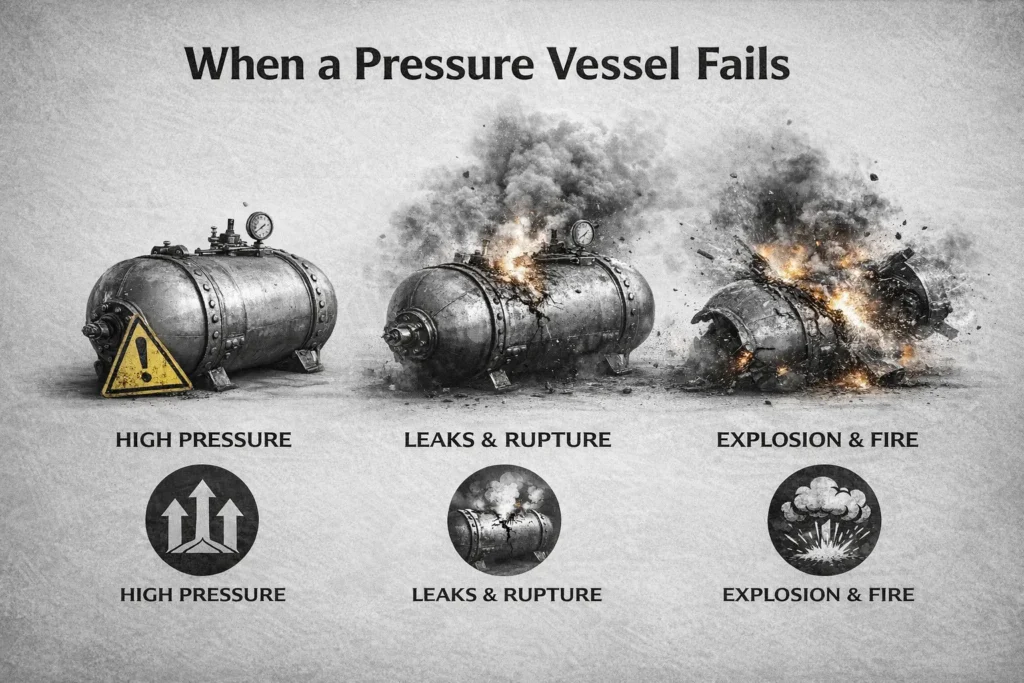
Pressure vessel failures are catastrophic events with immediate and far-reaching consequences. From explosive releases of gas and hazardous materials to environmental and economic ramifications, these failures can result in severe injuries, downtime, and costly damages. Understanding the causes, impact, and mitigation strategies is essential to ensure safety in high-risk industries. Introduction to Pressure Vessel Failure […]
The Role of Pressure Vessels in Space Exploration
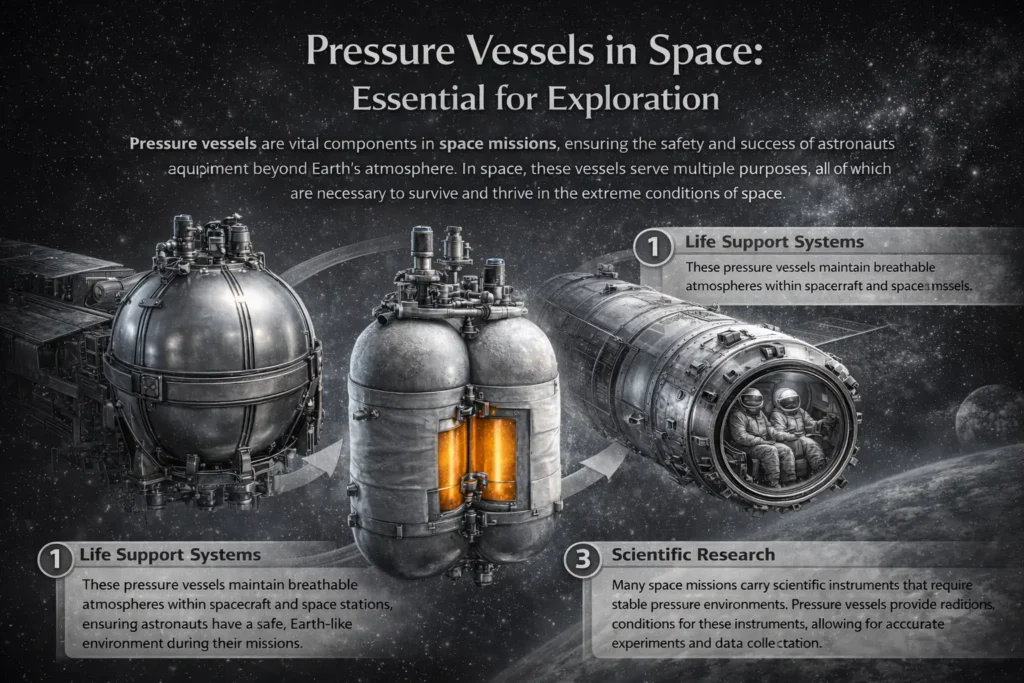
Pressure vessels in space are essential for ensuring the safety and success of space exploration. They provide the necessary pressure for life support, propellant storage, and scientific experiments, and protect astronauts and equipment from the harsh environment of space. Why Pressure Vessels are Vital for Space Exploration Space exploration is a monumental challenge, pushing the […]
Mastering the Art of Pressure Vessel Pressurization
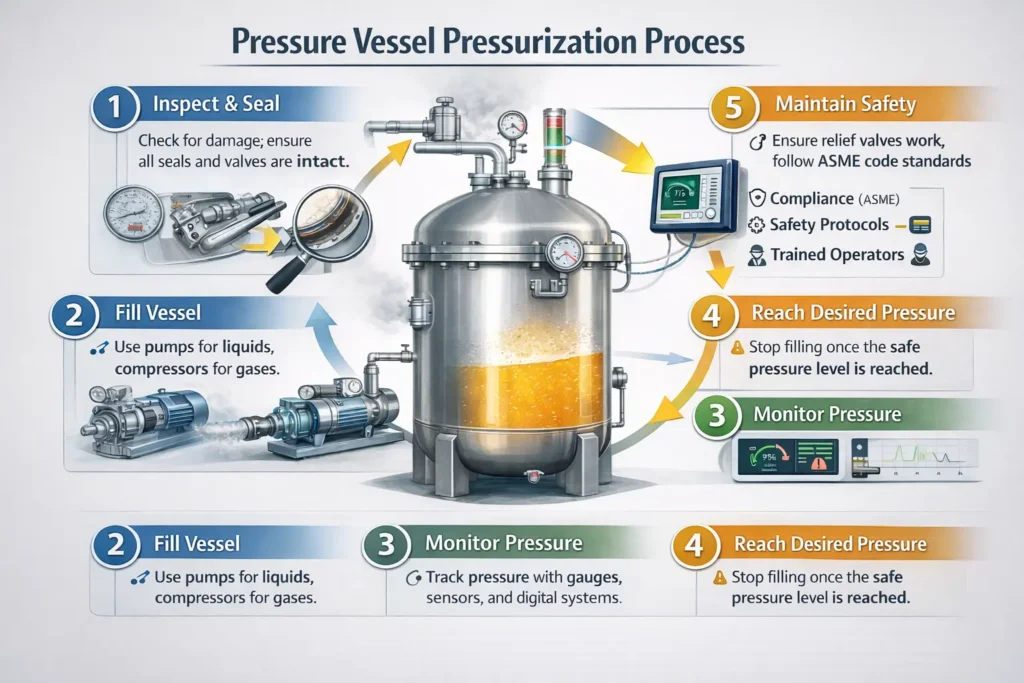
Pressurizing a pressure vessel involves carefully filling it with gas or liquid at high pressure using pumps or compressors, while ensuring safety through constant monitoring and adherence to engineering standards. The process requires proper sealing, pressure relief mechanisms, and trained operators to maintain the pressure vessel’s integrity. Pressure vessel pressurization is critical to safe operation […]
Understanding Pressure Vessel Safety Factors: Essential Guidelines
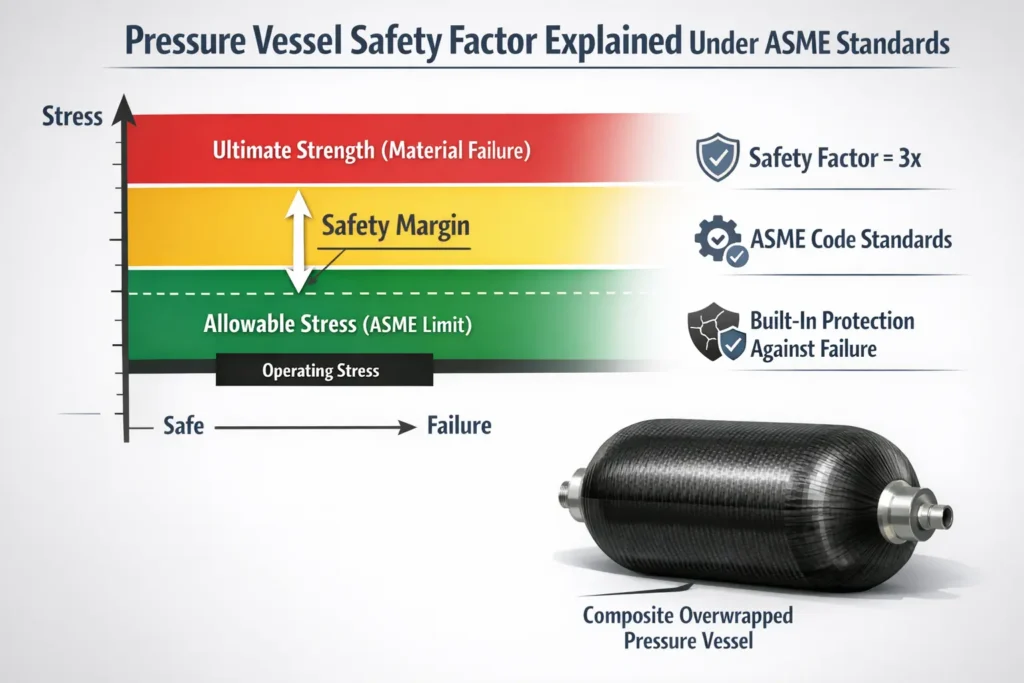
Pressure vessel safety factors define the margin between normal operating stress and material failure to ensure safe and compliant operation. Under ASME Section VIII Division 1, typical safety factors range from 3.5 to 4, with adjustments required for composite overwrapped pressure vessels and extreme conditions like cryogenic service. Proper safety factor selection depends on material […]
Understanding Pressure Vessel Hazards
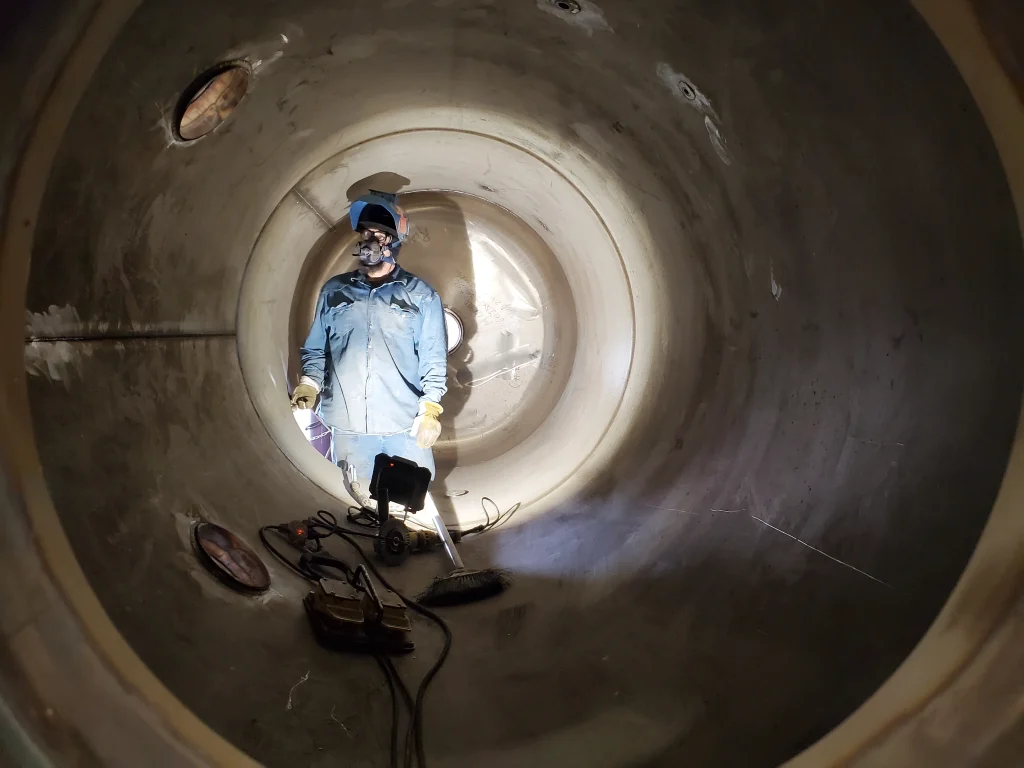
[ez-toc] Preventing Pressure Vessel Failures: Understanding the Most Serious Hazard The most serious hazards tied to pressure vessels stem from catastrophic failures. These failures lead to the rapid release of stored energy within the vessel. Such events cause severe consequences, including: Boom Time: The Explosive Reality of Pressure Vessels Imagine a vessel sitting there, holding […]
ASME Factor for Pressure Vessels
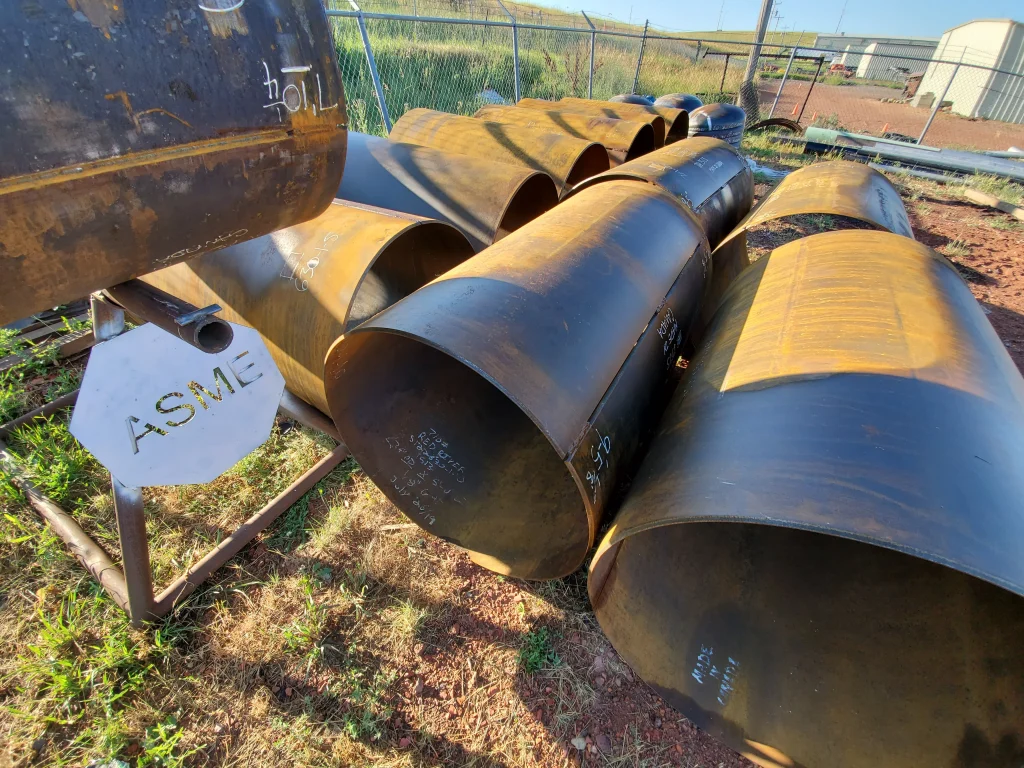
The ASME factor of a pressure vessel In the ASME Boiler and Pressure Vessel Code (BPVC), the term “ASME factor” usually refers to the design safety factor or allowable stress factor. This factor defines the relationship between a material’s ultimate tensile strength (or yield strength) and the allowable stress value used in design calculations. For […]
What ASME Defines as a Pressure Vessel | ASME BPVC Section VIII Guide

A pressure vessel is a specially engineered container that safely holds gases or liquids at pressures far from ambient conditions. This guide explains what pressure vessels are, how they work, and why precise descriptions matter for safety and compliance. It covers major types (storage vessels, heat exchangers, reactors, boilers), key standards like ASME BPVC Section […]
Essential Criteria for Designing a Pressure Vessel

Introduction to the criteria for a pressure vessel Pressure vessels are containers designed to hold gases or liquids at a pressure substantially different from ambient pressure. The design, manufacturing, and operation of pressure vessels are governed by design codes and standards to ensure safety. The criteria for a pressure vessel can vary based on the […]
Preferred Failure Theory in Pressure Vessel Design Explained
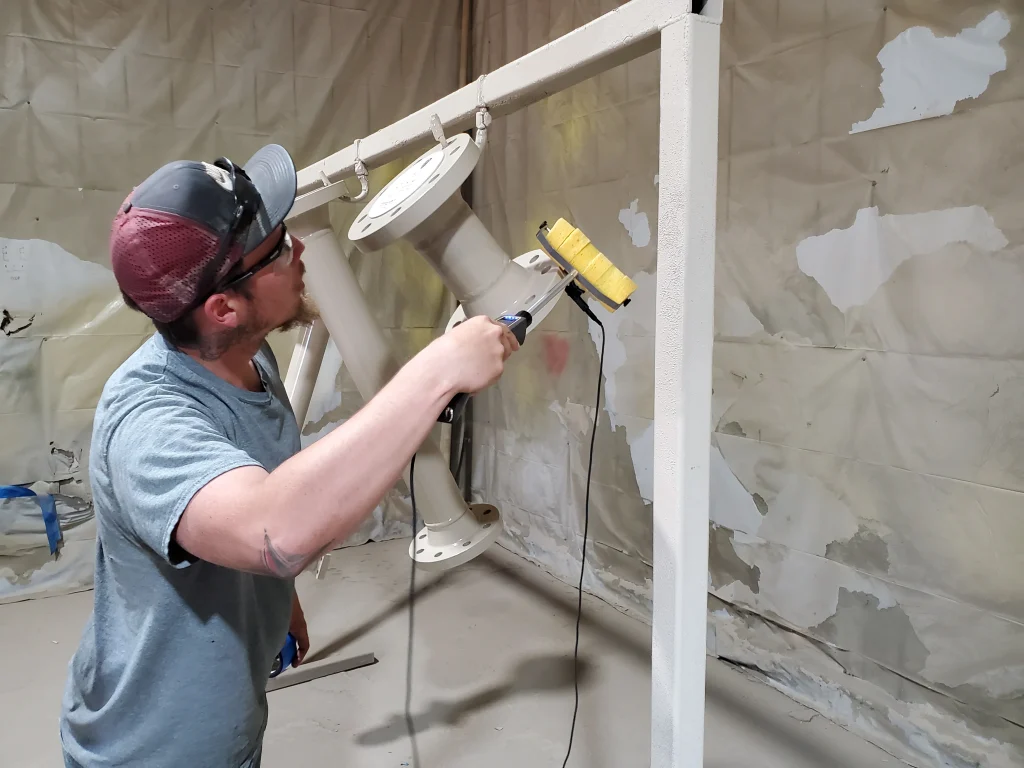
Understanding Failure Theory in Pressure Vessel Design When designing pressure vessels, safety and reliability are the top priorities due to the high-pressure environments in which these containers operate. The failure of a pressure vessel can have catastrophic consequences, which is why engineers rely on specific failure theories to ensure the vessel’s structural integrity. The Maximum […]