
Three Main Hazards from Pressure-Related Incidents
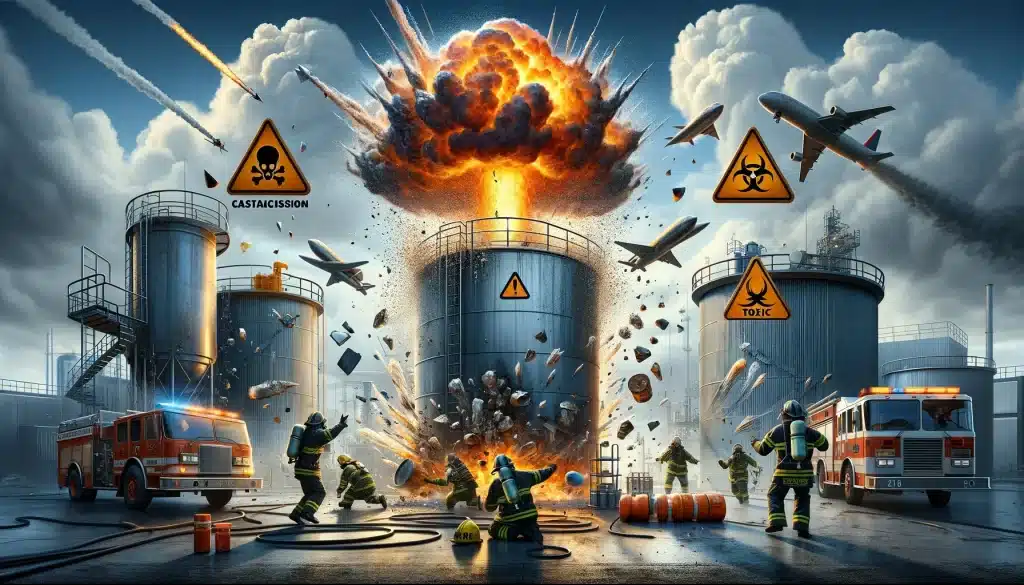
Pressure-related hazards common in industries like oil & gas and energy stem from equipment failure, explosive releases, or human error. This guide explains the science behind these risks, how to prevent them, and the OSHA regulations that govern pressure system safety. Learn best practices for inspections, equipment maintenance, staff training, and emergency planning. Includes real-world […]
Understanding the Maximum Allowable Working Pressure of a Vessel
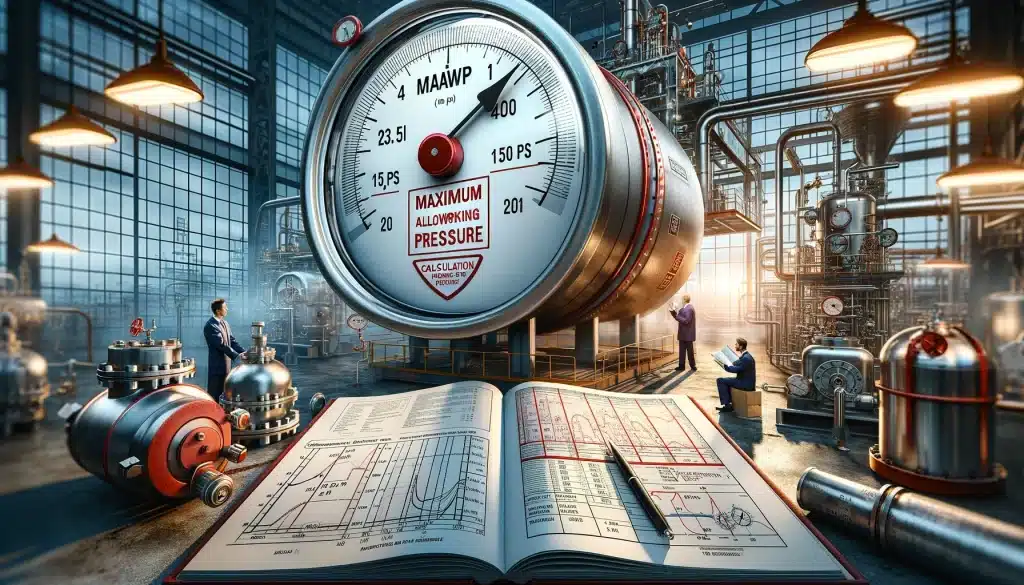
MAWP is the highest pressure a vessel can safely withstand under specified conditions. It’s determined by factors like material strength, vessel thickness, shape, and temperature. This guide explains how MAWP is calculated using ASME standards, how it’s influenced by temperature and design, and its role across industries like chemical processing and pharmaceuticals. With Red River’s […]
Understanding the Risks: The Three Major Hazards of Pressure Vessels
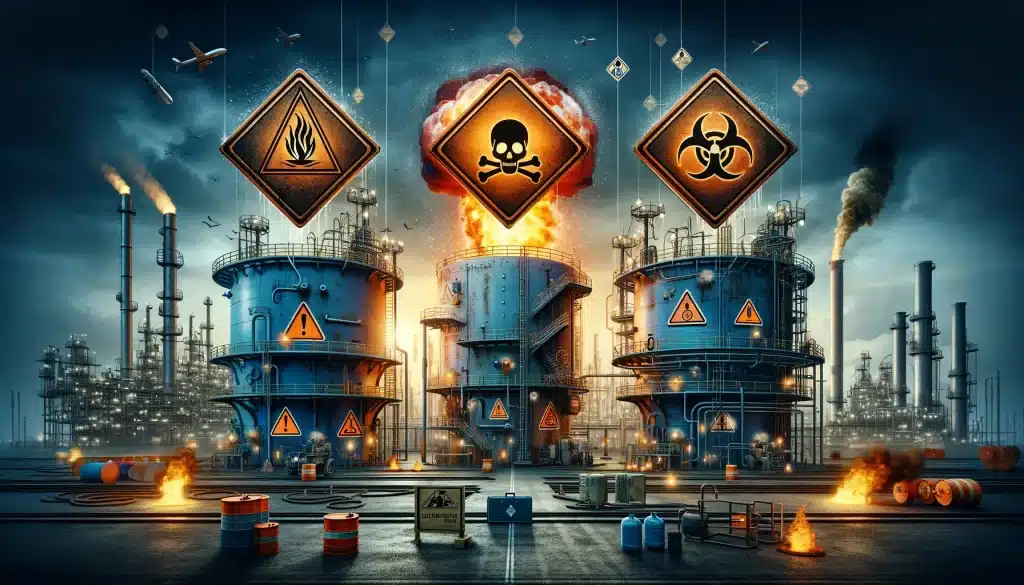
Pressure vessels pose three major hazards: overpressure, corrosion, and external damage. Overpressure often results from temperature spikes, valve blockages, or control system errors and can be prevented with properly rated relief valves, real-time monitoring, and scheduled pressure testing. Corrosion and material failure stem from chemical exposure or poor material choices, best mitigated through resistant alloys, […]