
Understanding OSHA Pressure Relief Valve Regulations
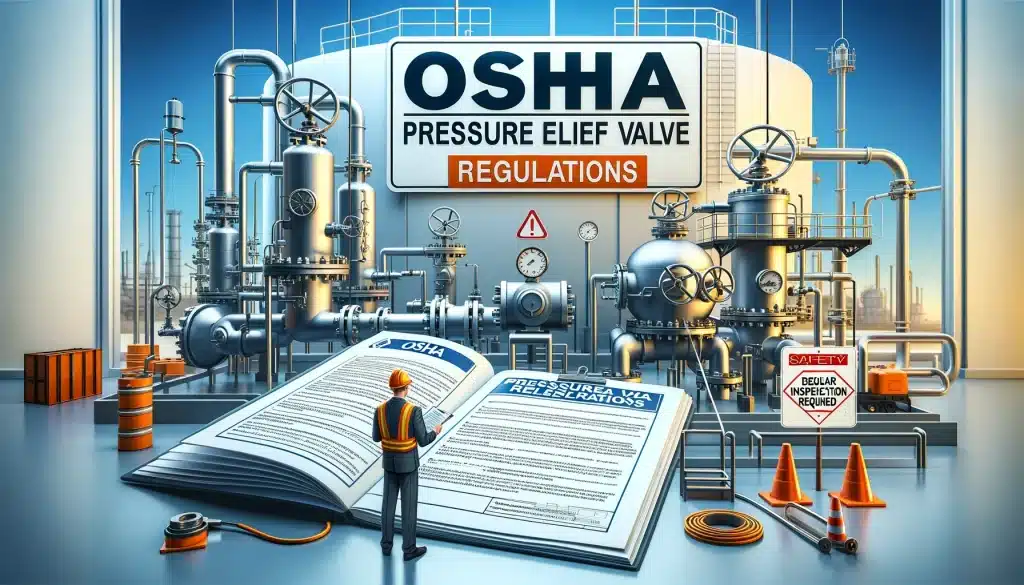
OSHA requires strict standards for the design, testing, and documentation of pressure relief valves to prevent overpressure accidents. Key rules include 29 CFR 1910.169 and ASME Section VIII, with annual inspections and proper recordkeeping mandatory. This guide breaks down technical specs, compliance checklists, and best practices to help your facility stay safe and avoid costly […]
Understanding Pressure Vessel Inspection Requirements
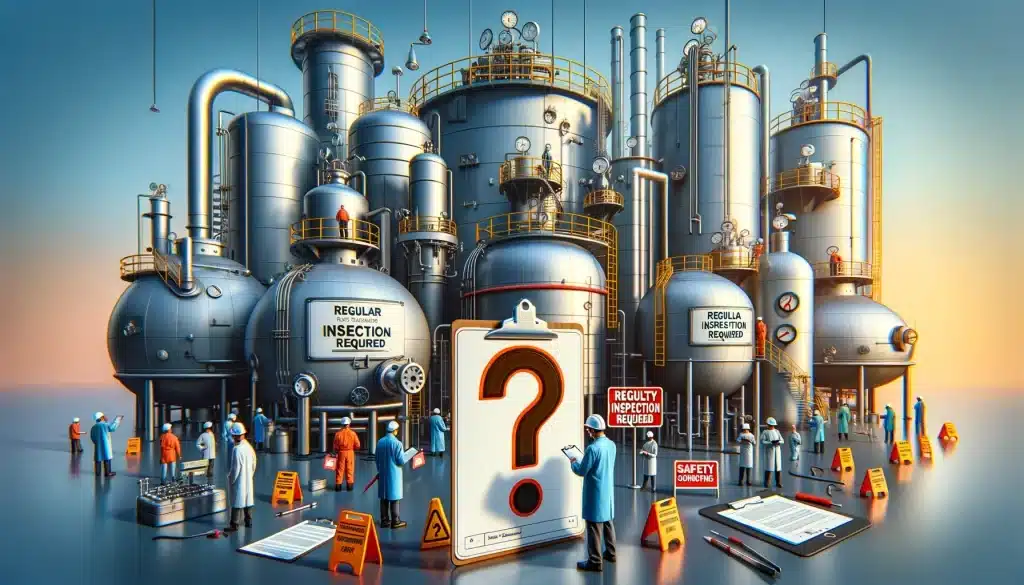
Regular inspections of pressure vessels are legally required and essential for safety, performance, and compliance. This guide explains how often to inspect, what standards apply (like ASME and API 510), the types of testing used (especially NDT), and how inspections reduce downtime and liability. Whether you’re in oil, gas, biogas, or manufacturing this is your […]
Understanding OSHA’s Definition of High Pressure
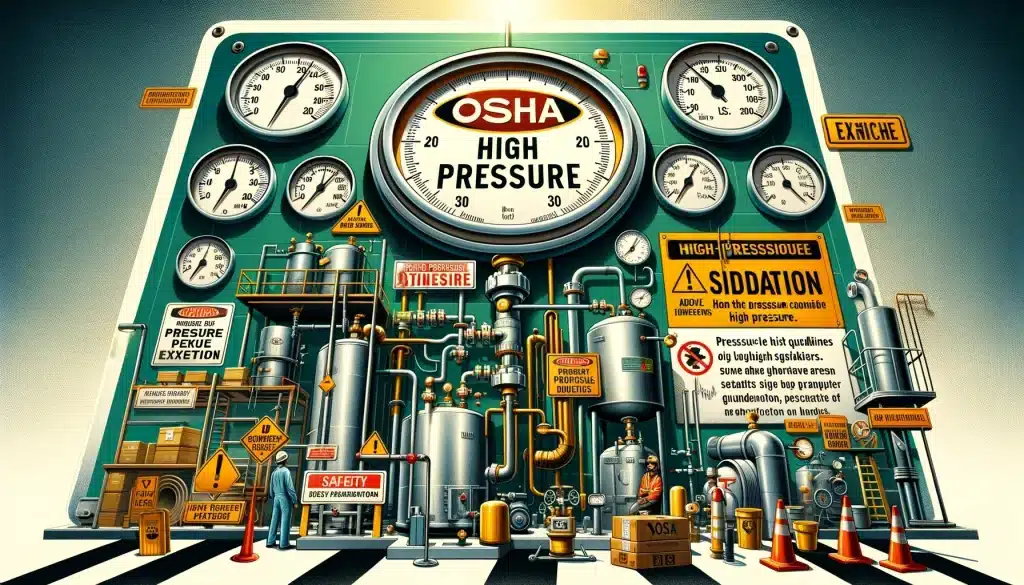
OSHA classifies high pressure as systems typically exceeding 150 PSI, though exact thresholds depend on equipment type and industry. To comply with OSHA’s safety standards such as those outlined in 29 CFR 1910 employers must conduct regular equipment inspections, train employees on emergency procedures, and maintain proper labeling and documentation. Common violations include missing training […]
Understanding PED Marking A Comprehensive Guide
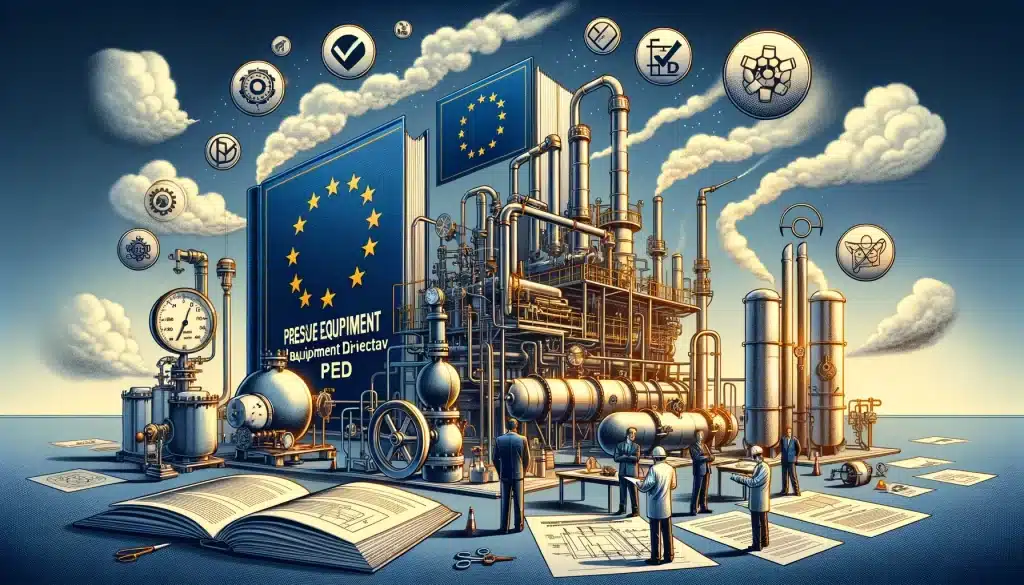
The Pressure Equipment Directive (PED 2014/68/EU) is the EU’s core safety framework for pressure equipment above 0.5 bar, setting strict requirements for design, manufacture, documentation, and conformity assessment across risk categories I–IV. It uses a risk-based approach (with modules like A2 and B + D) and involves Notified Bodies where needed to ensure safe, traceable, […]