
How to Maintain a Pressure Vessel: Avoid Costly Mistakes
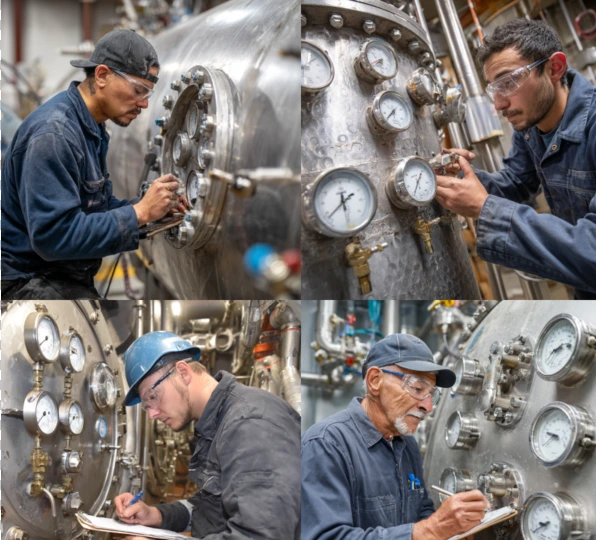
Proper pressure vessel maintenance ensures safety, minimizes downtime, and extends equipment life. This guide covers inspection schedules, material choices, and risk mitigation strategies that keep your operations compliant and efficient. Practical Pressure Vessel Maintenance Tips for Safety and Efficiency In many industries, from defense to oil and gas, pressure vessels store gases or liquids at […]
How Often Should a Pressure Vessel Be Inspected?
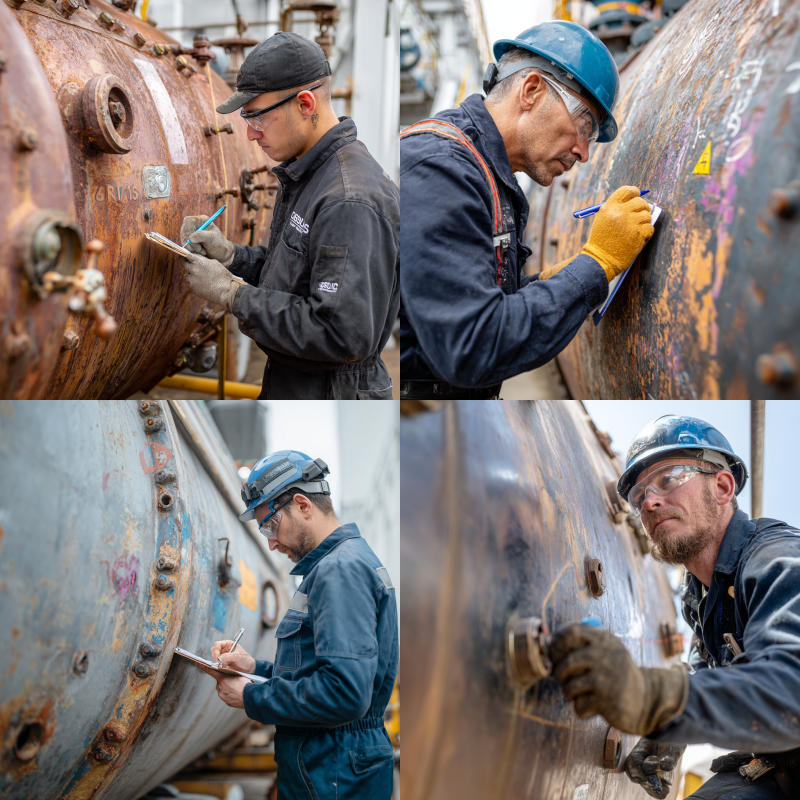
Pressure vessels should be inspected regularly, with external inspections required at least every 1-5 years and internal inspections every 3-10 years, depending on factors like the vessel’s contents, operating conditions, and local regulations. A risk-based inspection (RBI) approach helps tailor schedules based on corrosion rates and other risk factors, ensuring safety and efficiency. Regular checks, […]
What Is Pressure Vessel Maintenance? Keep Your Equipment Safe
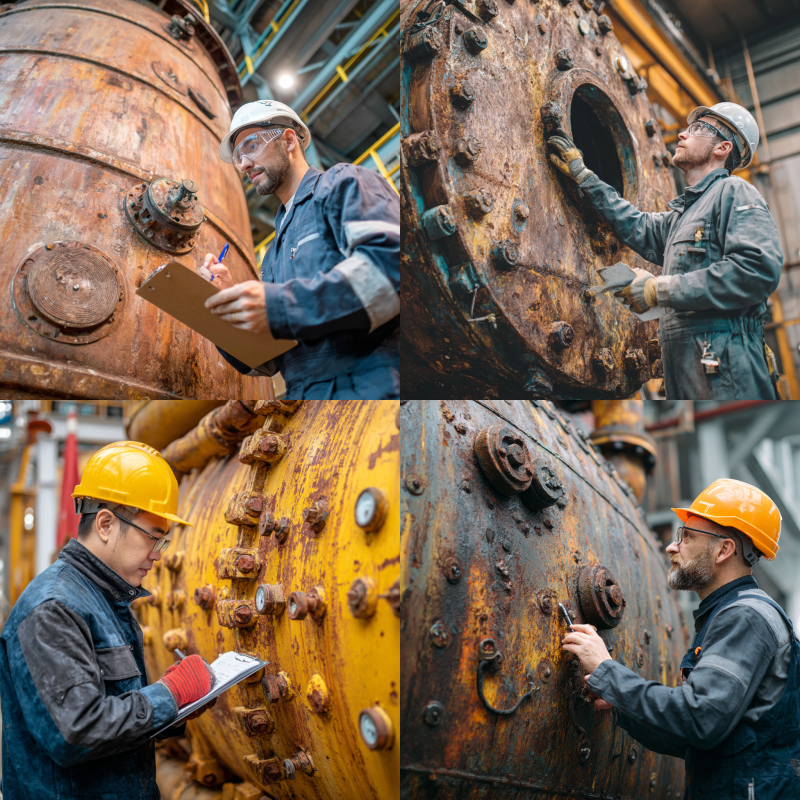
Pressure vessel maintenance involves regular inspections, testing, and repairs to ensure safety and compliance with standards like ASME and API. Inspections are typically required every five years, with Non-Destructive Testing (NDT) and hydrostatic tests used to detect issues like cracks, corrosion, and thinning. Timely repairs or replacements are essential to prevent catastrophic failures, extend vessel […]
Your Guide to Hassle-Free Pressure Vessel Maintenance

To ensure your pressure vessels remain safe, efficient, and compliant, regular maintenance is essential. This includes scheduled inspections, testing, and repairs based on recognized standards like ASME and API. Key actions such as monitoring for corrosion, cracks, and overpressure, along with using non-destructive testing methods, help catch potential issues early, preventing failures that could lead […]
Smart Strategies on How to Choose Materials for Pressure Vessels

Choosing materials for pressure vessels involves evaluating operating pressures, temperature ranges, and corrosion risks to ensure safety and longevity. Common materials include carbon steel for general use, stainless steel for corrosive environments, and nickel alloys for high-temperature or chemically aggressive conditions. Always ensure compliance with regulatory codes like ASME and conduct regular inspections to maintain […]
What Is the Best Material for Pressure Vessels? Find Out Now
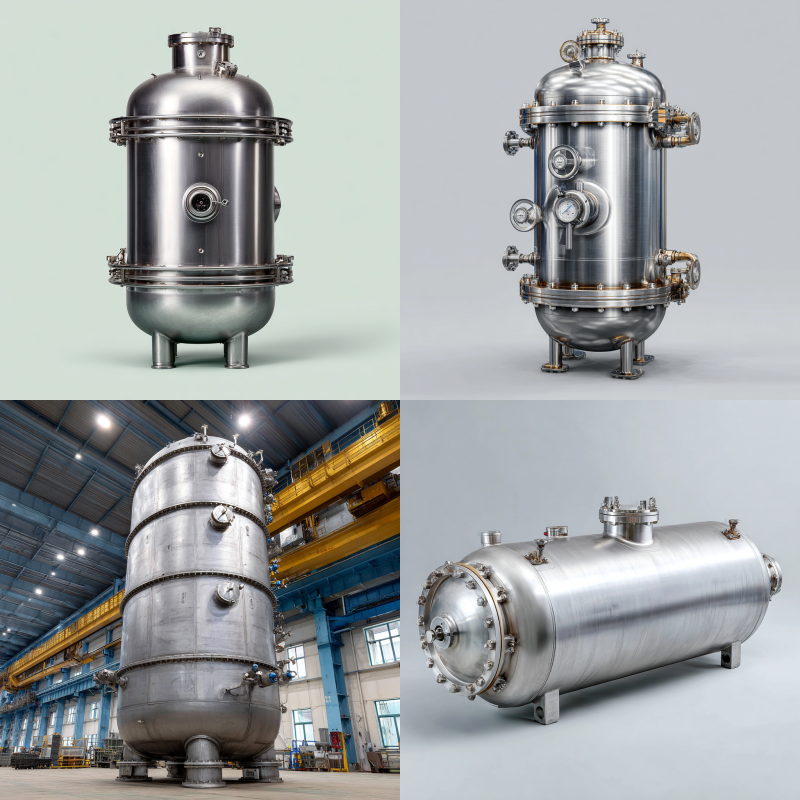
There’s no single “best” pressure-vessel material pick based on pressure/temperature, corrosion exposure, code requirements (e.g., ASME Section VIII), fabrication/weldability, and total lifecycle cost (upfront price + maintenance). Choosing Wisely: What Is the Best Material for Pressure Vessels? Selecting the right material for a pressure vessel can feel like navigating a maze. You want safety, affordability, […]
What Materials Are Used in Pressure Vessels?
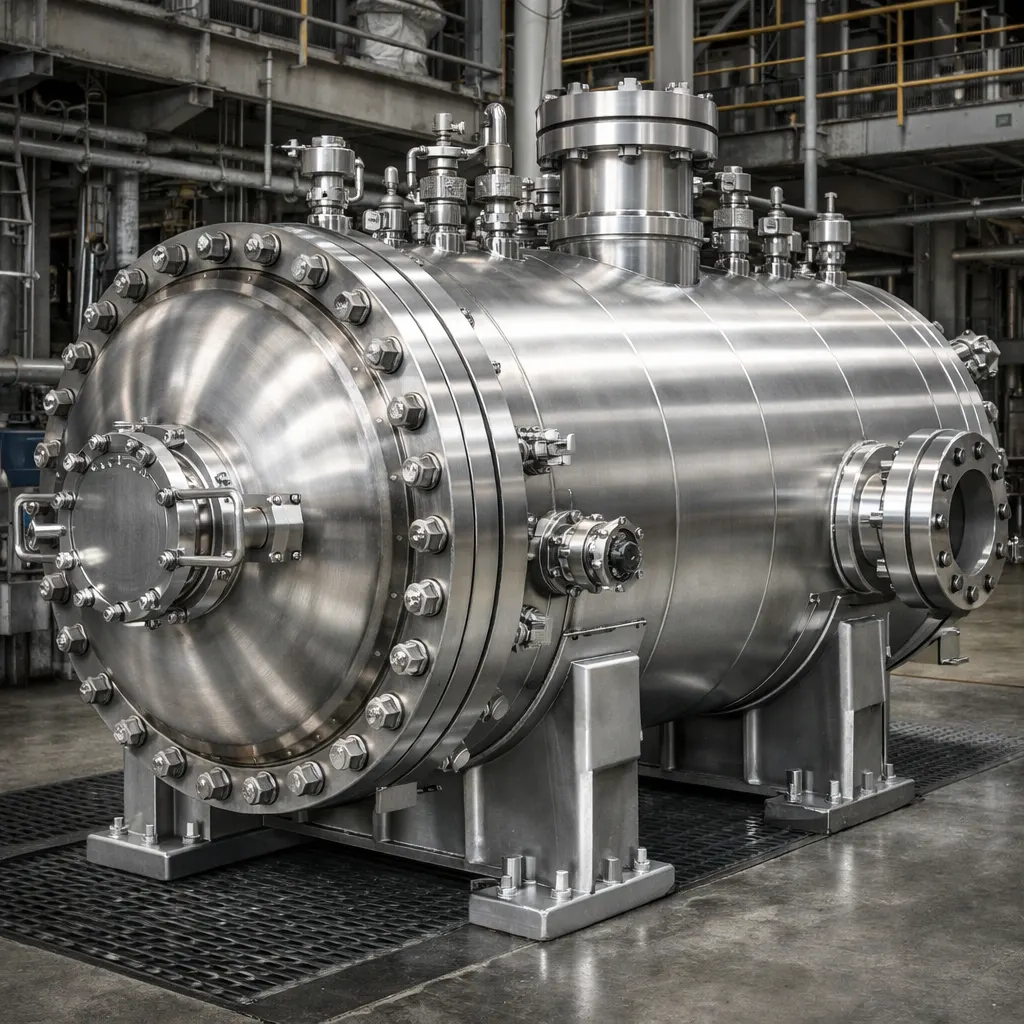
Pressure vessels need materials that won’t crack, corrode, or deform under high pressure and temperature swings. Common choices are titanium, nickel alloys (incl. Hastelloy), stainless steel, carbon steel, and aluminum each a tradeoff between corrosion resistance, strength at temperature, fabrication complexity, and cost. Understanding What Materials Are Used in Pressure Vessels When you need to […]
What You Should Know About Pressure Vessel Materials
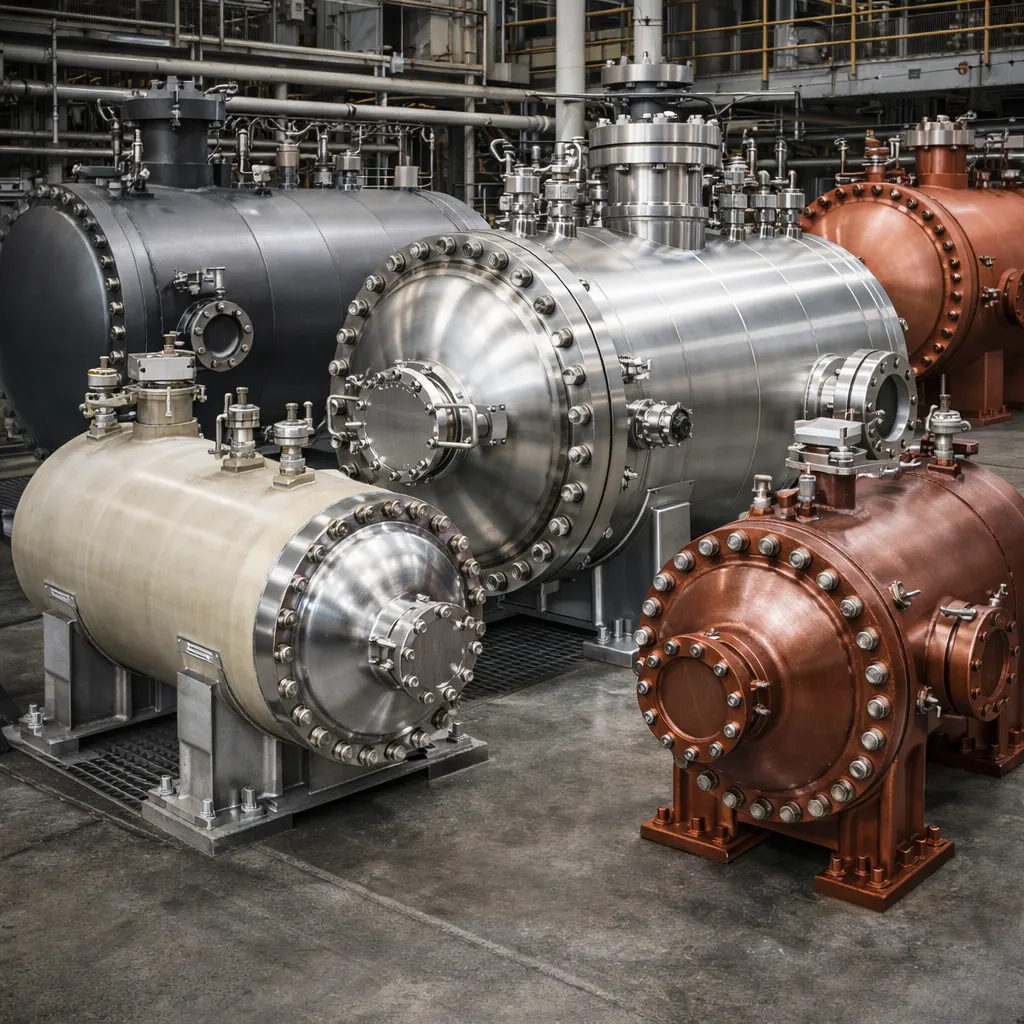
Why pressure vessel materials matter Pressure Vessel Materials lie at the heart of every tank or vessel that holds pressurized content. Whether you manage chemical storage, power generation, or oil and gas operations, you need to ensure your chosen Pressure Vessel Materials meet strict safety and longevity requirements. The right choice in Pressure Vessel Materials […]
What Are the Different Types of Pressure Vessel Codes for Compliance?
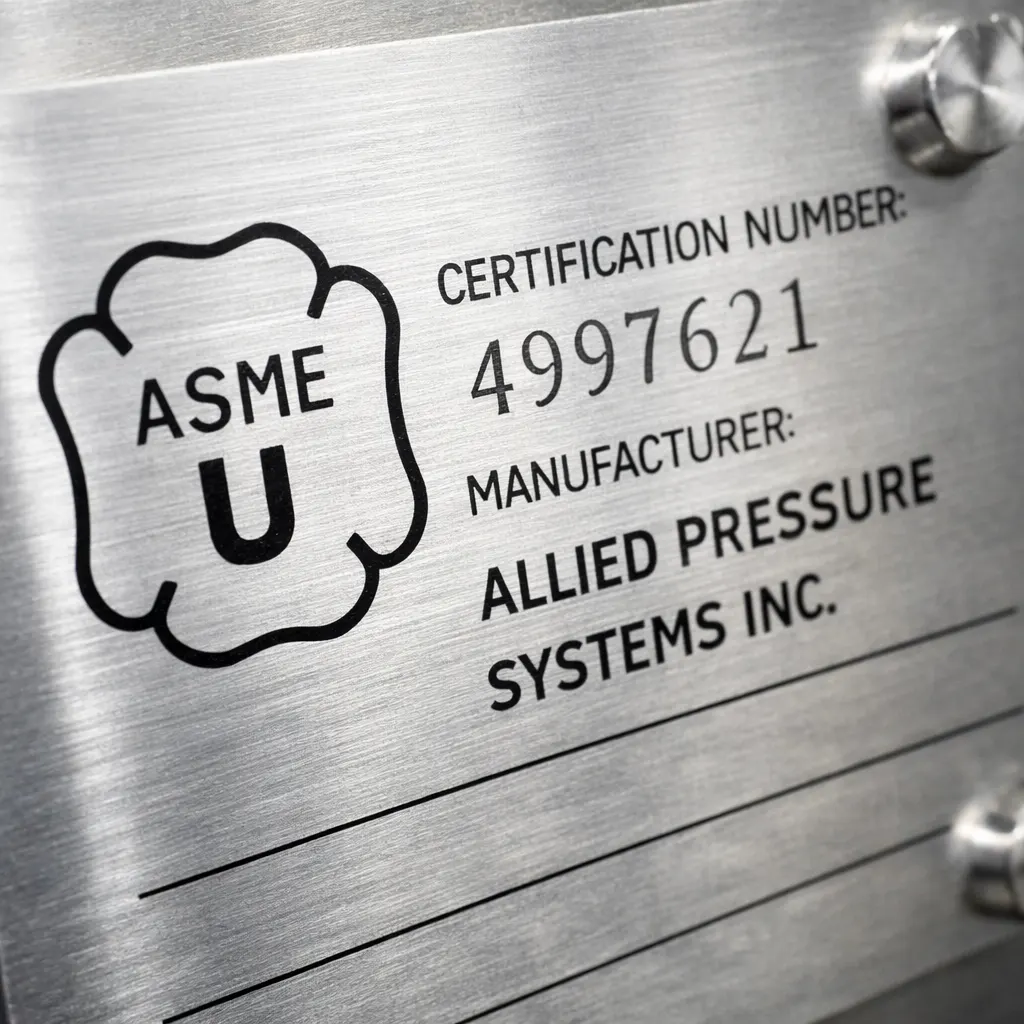
Pressure vessel codes set minimum safety rules so vessels don’t fail. ASME BPVC (Section VIII) is the main U.S. build code; API 510 and NBIC cover in-service inspection and repairs. Other regions use equivalents (e.g., EU PED/EN, CSA B51). Stay compliant by matching the right code and buying a stamped vessel (U/U2). What Are the […]
What Is ASME Pressure Vessel Code? Key Insights for You
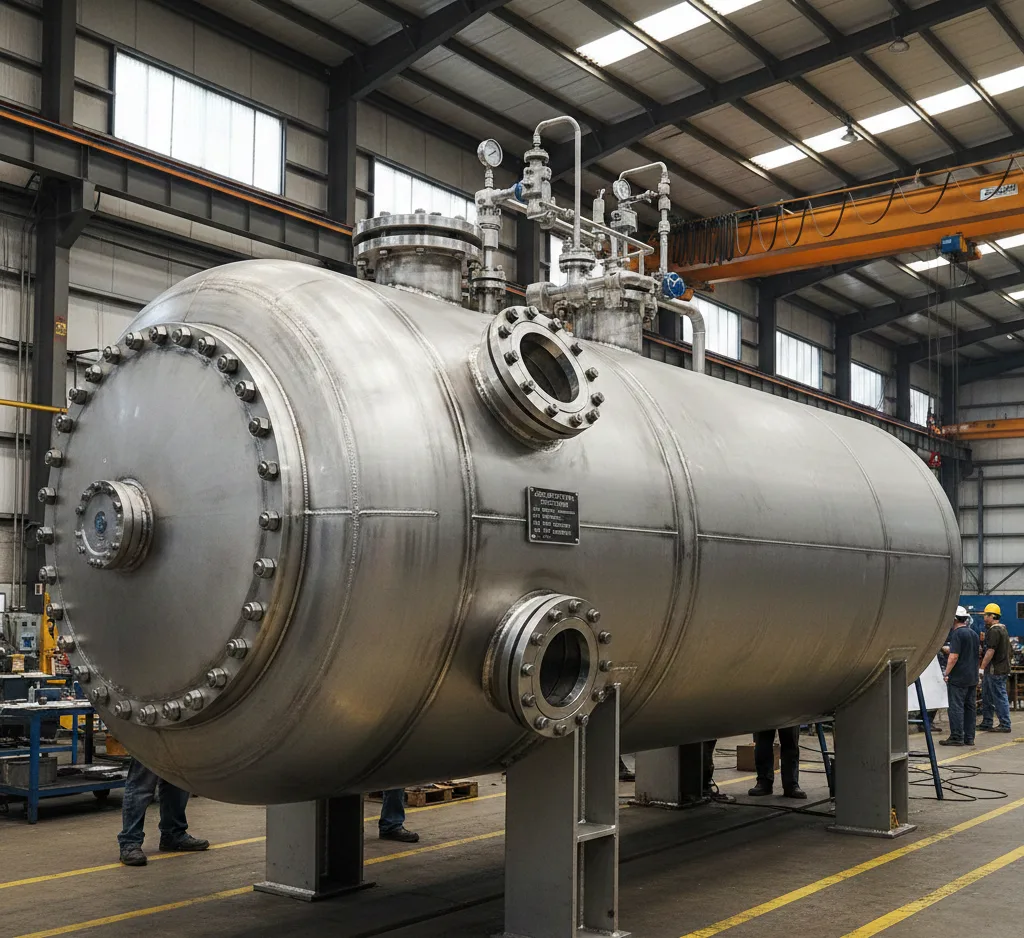
The ASME BPVC is the global safety code for pressure vessels covering design, materials, welding, testing, inspection, and certification to prevent leaks/ruptures. Most industrial vessels over -15 psi must follow it; Section VIII is the main pressure-vessel section (Div 1/2/3 by pressure level), and the 2025 update aims to clarify rules and improve layout. What […]