Dry Out and Reuse Desiccant
Reuse Desiccants Effectively
What are Desiccants?
When you learn how to reuse desiccants effectively, you can save costs and reduce waste significantly. Desiccants are materials used to achieve or maintain a state of dryness. They play a vital role in numerous industries and consumer products by keeping humidity levels low and protecting goods from moisture damage. Essentially, desiccants function like sponges, absorbing moisture from the air to keep items dry and secure.
Reuse Desiccants Effectively: Common Types of Desiccants
There are several common types of desiccants, each with specific properties. The most widely used ones include:
- Silica Gel: This is the most common desiccant, known for its high surface area and ability to absorb moisture without changing its shape.
- Molecular Sieves: These are crystalline aluminosilicates with tiny pores that can trap large molecules effectively, ensuring precise moisture control.
- Activated Clay: Frequently used in commercial applications, this type is valued for its high absorption capacity.
Why Reusing Desiccants is Cost-Effective
Heading Cost Savings
Reusing desiccants can be an effective way to reduce expenses. Instead of purchasing new ones repeatedly, you can dry and reuse existing desiccants. As a result, this practice significantly lowers operational costs.
Reuse Desiccants Effectively: Environmental Impact
Furthermore, opting to reuse desiccants reduces waste and minimizes your environmental footprint. It is not only a practical solution but also a powerful step toward sustainability, contributing to a greener planet.
Reuse Desiccants Effectively: Efficiency and Effectiveness
When you know how to dry and reuse desiccants effectively, you maintain a high level of moisture control without compromising overall performance. Consequently, this ensures your processes remain efficient and your products stay protected.
Reuse Desiccants Effectively: Drying Techniques for Desiccants
Oven Drying Technique
One of the most reliable techniques for drying desiccants is oven drying. Here’s how you can do it:
- Preheat your oven to around 250°F (120°C).
- Spread the desiccants in a single layer on a baking tray.
- Place them in the oven and let them dry for about 2 hours, stirring occasionally to ensure even drying.
Reuse Desiccants Effectively: Microwave Drying Method
For a quicker solution, microwave drying is a great option:
- Place the desiccants in a microwave-safe container.
- Heat them on high for 2-3 minutes, checking frequently to avoid overheating.
- Let them cool completely before reuse.
Reuse Desiccants Effectively: Air Drying Process
If you prefer a natural method, air drying is an excellent choice:
- Spread the desiccants on a clean, dry surface.
- Let them air dry in a well-ventilated space, away from direct sunlight, for 24-48 hours.
- Ensure they are thoroughly dry before reusing.
Need a reliable partner?
FAQs About Dry and Reuse Desiccants Effectively
How regularly can desiccants be reused after drying?
Desiccants can typically be reused multiple times, depending on their type and how efficiently they are dried. For instance, silica gel can be regenerated and reused numerous times before losing its moisture-absorbing potential. However, it is crucial to monitor their performance and replace them when they show signs of reduced effectiveness.
Are there particular desiccants that can't be reused?
Most desiccants, including silica gel and molecular sieves, can be reused if properly dried. However, some types, like activated charcoal or calcium chloride, are less suitable for reuse as they tend to degrade or lose effectiveness after absorbing moisture. It’s always wise to consult the manufacturer’s guidelines for best practices.
What are the great garage practices for reused desiccants?
After drying, it is important to store desiccants in airtight containers to prevent them from reabsorbing moisture from the air. Keeping them in sealed bags or jars in a cool, dry location ensures they remain effective until needed. Avoid exposing them to humidity, as it can compromise their performance.
How can I inform if a desiccant has been fully dried and is prepared for reuse?
A fully dried desiccant will typically return to its original color and texture. For instance, silica gel changes appearance when saturated. Additionally, it should feel dry to the touch. If uncertain, you can use a hygrometer to check the relative humidity in a sealed container with the desiccant. A low humidity reading confirms readiness for reuse.
Can reuse desiccants be as powerful as new ones?
Yes, properly dried and stored desiccants can be nearly as effective as new ones. The key is ensuring they are completely dry and free from residual moisture. However, after multiple reuse cycles, their efficiency may slightly diminish, so it is essential to regularly evaluate their performance and replace them when necessary.
Related Blog Post
- Do desiccants go bad?
- Can you overheat desiccant?
- Does desiccant stop working?
- Can you rejuvenate desiccant?
- Can you oversize a desiccant dryer?
- How do you know if desiccant is bad?
- How often should desiccant be changed?
- Is a desiccant dryer the same as a dehumidifier?
- How often should you change desiccant air dryer?
- How many times can desiccant be reused?Desiccant Reusability
- What is the difference between heated and heatless desiccant dryers?
Solutions
In the realm of industrial solutions, Red River emerges as a pioneer, offering a diverse range of custom-engineered products and facilities. Among our specialties is the design and production of Custom/OEM Pressure Vessels, meticulously crafted to meet individual client requirements, ensuring performance under various pressure conditions. Our expertise extends to the domain of prefabrication, where Red River leads with distinction.
The company excels in creating prefabricated facilities, modules, and packages, reinforcing its stance as a forerunner in innovation and quality. This proficiency is further mirrored in their Modular Skids offering, where they provide an array of Modular Fabricated Skid Packages and Packaged equipment. Each piece is tailored to client specifications, underlining their commitment to delivering precision and excellence in every project they undertake.


Related Blog Post
Pressure Vessel Design & Engineering: Concept to Launch

What is Pressure Vessel Design and Engineering: Code-Ready Guide
What are the Key Factors in Pressure Vessel Engineering

How Do You Design a Pressure Vessel: A Step-By-Step Guide
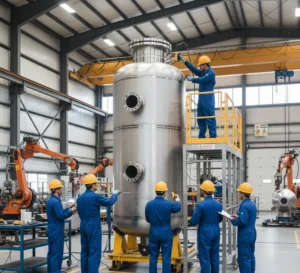
What is Pressure Vessel Fabrication and Manufacturing
- How to Dry Desiccant Properly and Regain Its Effectiveness
- Desiccant Effectiveness
- Desiccant Reusability Maximize Performance and Sustainability
- Desiccant Reusability Maximize Performance and Sustainability
- Dry Out and Reuse Desiccant
- What Is a Desiccant Used For? Key Applications, Benefits & How Moisture Absorbers Work
About Author