
Exploring the Versatile Applications of Acetylene
Introduction to the Versatile Applications of Acetylene
Stumbling onto acetylene was like hitting the jackpot for the old-timey folks looking to light up their world and keep cozy. However, this discovery wasn’t just a one-hit wonder; instead, it has been keeping its game strong, continuously finding its way into the high-tech hustle of today. Acetylene isn’t just chilling in the history books; rather, it’s out there shaping what comes next with its cool uses.
The Historical Significance of Versatile Applications of Acetylene in Industry
Back in the day, acetylene stepping onto the scene was a total game-changer for lighting and heating, as it shined brightly and brought the heat like nothing else. Fast forward to now, and it’s still rolling deep in the industry game, blending its old-school credibility with cutting-edge advancements. As a result, acetylene isn’t just about reminiscing; instead, it’s all about setting the stage for what’s coming next with its wide range of applications.
Acetylene: Properties and Safety Protocols
Handling acetylene requires strict adherence to safety protocols due to its highly reactive nature. Therefore, ensuring that its use in welding, cutting, and chemical synthesis is conducted with precision and care is essential. Additionally, the focus on safety remains paramount, illustrating the industry’s commitment to maintaining high standards of operation and environmental responsibility.
Acetylene in Welding and Metal Fabrication: Versatile Applications of Acetylene
The Role of Versatile Applications of Acetylene in Welding Technologies
Acetylene’s intense heat and focused flame make it ideal for welding, as it provides the capability for deep welds and strong joints. Consequently, its use in this field demonstrates the value of expertise in achieving both precision and efficiency.
Advancements in Metal Fabrication Using Acetylene
Furthermore, acetylene plays a significant role in advancing metal fabrication techniques, offering a range of benefits that include improved efficiency and innovation in manufacturing processes.
Acetylene vs. Other Welding Gases: A Comparative Analysis
When compared to other welding gases, acetylene offers distinct advantages, such as faster and cleaner joins. Thus, it remains a crucial component in fabrication processes, reinforcing its importance in the industry.
Safety Measures for Handling Versatile Applications of Acetylene in Welding
The emphasis on safety measures for handling acetylene in welding not only underscores the industry’s commitment to protecting workers and the environment but also highlights the need for stringent protocols to prevent accidents.
Acetylene in the Glass and Ceramics Industry: Versatile Applications of Acetylene
Enhancing Glassblowing Techniques with Acetylene
Acetylene’s contribution to glassblowing and ceramics manufacturing is notable for its ability to provide intense heat, which, in turn, aids in achieving precision and artistic quality in glassware and ceramics. Moreover, this use showcases the fuel’s versatility and its role in enhancing traditional crafts.
Ceramics Manufacturing: The Use of Acetylene for Firing Kilns
For ceramics, acetylene’s consistent flame not only provides the control needed for uniform firing but also ensures both the strength and beauty of the final product. Consequently, this makes acetylene an essential component in ceramics manufacturing.
The Use of Acetylene in Plastics and Polymer Development: Versatile Applications of Acetylene
Acetylene-Based Chemicals in Plastic Production
In plastic production, acetylene-based chemicals are key to creating durable and versatile materials. As a result, they contribute significantly to the industry’s advancements while also improving product longevity.
Breakthroughs in Polymer Technology Featuring Acetylene
The application of acetylene-based chemicals in plastic and polymer production has led to significant advancements in these materials. In particular, it has contributed to the development of durable and versatile products. Thus, this highlights acetylene’s role in driving innovation in material science.
Acetylene for Artistic and Sculptural Work: Versatile Applications of Acetylene
The Artisan's Choice: Acetylene in Sculpture
Acetylene is highly valued in the artistic community for its precision in metal manipulation, allowing sculptors and metal artists to create intricate and durable works. Furthermore, this underscores the fuel’s role in supporting creative expression through technology.
Crafting Metal Art with Versatile Applications of Acetylene Welding Techniques
Acetylene welding techniques not only allow artists to join metals seamlessly but also help in creating sculptures that are as strong as they are stunning. Thus, this welding method plays a crucial role in artistic metalwork.
Acetylene in Automotive Repairs and Manufacturing: Versatile Applications of Acetylene
Acetylene's Efficiency in Automotive Welding Processes
In automotive repairs and manufacturing, acetylene’s efficiency and versatility are not just beneficial but essential for welding and fabricating components that meet high standards of quality and performance. Consequently, this demonstrates the fuel’s significant contribution to the automotive industry.
Custom Fabrication in Automotive Design with Acetylene
Moreover, acetylene’s versatility aids in custom automotive fabrication, making it possible to create components that meet precise specifications.
The Role of Acetylene in Science Education: Versatile Applications of Acetylene
Demonstrating Chemical Reactions with Acetylene
Acetylene serves as an educational tool by demonstrating chemical reactions and teaching about gas properties and reactions. As a result, it fosters a deeper understanding of chemistry and encourages interest in scientific exploration.
Acetylene: A Tool for Hands-On Learning in Laboratories
In laboratories, acetylene serves as a practical tool for students to learn about gas properties and reactions, thereby fostering a deeper understanding of chemistry. Additionally, acetylene is a star for lighting up young minds about the wonders of chemistry, sparking curiosity and dreams of future discoveries.
Environmental and Economic Aspects of Acetylene Use
Acetylene: Sparking Curiosity in Labs
The environmental footprint of acetylene and its cost-effectiveness in various industries are important considerations. These aspects emphasize the importance of sustainable practices and economic viability in the use of acetylene.
Cost-Effectiveness of Versatile Applications of Acetylene in Various Industries
Acetylene’s cost-effectiveness makes it a darling in various fields, delivering top performance without breaking the bank.
The Economic Impact of Versatile Applications of Acetylene Production
The production of acetylene has a positive economic impact, contributing to industries and economies worldwide.
The Future of Versatile Applications of Acetylenein Industry and Innovation
Summarizing the Multifaceted Uses of Acetylene
Looking forward, the diverse applications and potential of acetylene position it as a key player in both traditional and emerging fields. The continued innovation and application of acetylene in various industries highlight its enduring significance and the ongoing commitment to advancing technology and sustainability.
While Red River LLC does not manufacture acetylene, our commitment to safety and efficiency in industrial processes underscores the importance of thorough knowledge and proper handling of all materials and resources involved in our projects. This approach ensures that we not only meet but exceed industry standards, reflecting our dedication to excellence and our respect for the powerful capabilities of acetylene. Our focus on safety, innovation, and responsible use of resources is integral to our mission, guiding our contributions to the industries we serve and the communities we impact.
Need a reliable partner?
FAQ: Pressure Vessel Manufacturing
How do pressure vessel design standards ensure safety and reliability?
Design standards for pressure vessels, such as those set by the ASME, provide a framework for safety and reliability. These standards dictate the engineering requirements for design, method of construction, and materials selection. They ensure vessels can withstand the maximum operating pressure and temperature, and they mandate rigorous testing and inspection protocols. By adhering to these standards, manufacturers can prevent structural failures, leaks, and other hazards that could lead to operational downtime or safety incidents.
Can pressure vessels be customized for specific industry applications, and what are the limitations?
Yes, pressure vessels can be extensively customized to meet specific industry needs. Customization can include size, shape, material, and the inclusion of additional features like heating or cooling jackets, internal mixers, or specialized coatings. The limitations are generally set by the physical properties of the materials used, the engineering design principles, and safety standards. Manufacturers must balance the desired customizations with the vessel’s intended use to ensure safety and functionality.
What advancements in welding technology are being utilized in modern pressure vessel manufacturing?
Modern pressure vessel manufacturing has seen significant advancements in welding technology. Techniques such as automated welding, friction stir welding, and laser welding are being employed to enhance the quality and efficiency of welds. These technologies offer improved precision, reduced human error, and better control over welding parameters, resulting in stronger, more reliable vessels. Additionally, advancements in non-destructive testing methods post-welding ensure the integrity of the welds without damaging the vessel.
What role does non-destructive testing (NDT) play in the lifecycle of a pressure vessel?
Non-destructive testing is crucial throughout the lifecycle of a pressure vessel. It begins with the inspection of raw materials and continues through the manufacturing process to validate the integrity of welds and joins. Post-construction, NDT is used during regular maintenance checks to detect any signs of wear, corrosion, or damage while the vessel is in service. This proactive approach helps in predicting potential failures and scheduling maintenance or replacements, thereby ensuring continuous safety and operational efficiency.
Related Blog Post
- Is acetylene gas explosive?
- What type of gas is acetylene?
- Why does acetylene need oxygen?
- What is special about acetylene?
- Why is acetylene called acetylene?
- Why acetylene is used in gas cutting?
- What is the natural source of acetylene?
- What is the industrial utility of acetylene?
- What is the byproduct of burning acetylene?
- Why is it not safe to use acetylene above 15 psi?
Solutions
In the realm of industrial solutions, Red River emerges as a pioneer, offering a diverse range of custom-engineered products and facilities. Among our specialties is the design and production of Custom/OEM Pressure Vessels, meticulously crafted to meet individual client requirements, ensuring performance under various pressure conditions. Our expertise extends to the domain of prefabrication, where Red River leads with distinction.
The company excels in creating prefabricated facilities, modules, and packages, reinforcing its stance as a forerunner in innovation and quality. This proficiency is further mirrored in their Modular Skids offering, where they provide an array of Modular Fabricated Skid Packages and Packaged equipment. Each piece is tailored to client specifications, underlining their commitment to delivering precision and excellence in every project they undertake.


Related Blog Post
Pressure Vessel Design & Engineering: Concept to Launch
What is Pressure Vessel Design and Engineering: Code-Ready Guide
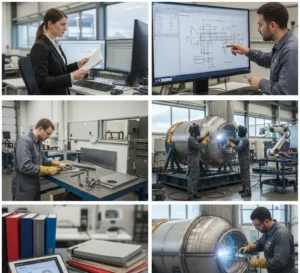
What are the Key Factors in Pressure Vessel Engineering
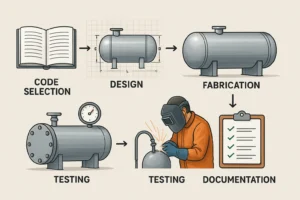
How Do You Design a Pressure Vessel: A Step-By-Step Guide
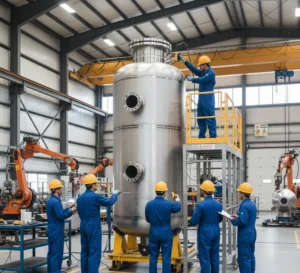
What is Pressure Vessel Fabrication and Manufacturing
No pillar keyword set for this post.
About Author
