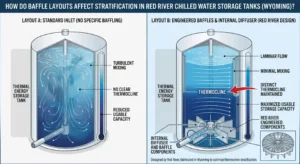
Adapting pressure vessels for legacy systems ensures safe, cost-effective integration of modern equipment with aging infrastructure. This guide outlines key engineering, compliance, and ROI strategies to help manufacturers modernize without full system replacements.
Adapting Pressure Vessels for Legacy Systems
In today’s fast-evolving industrial environment, adapting pressure vessels for legacy systems has become both a necessity and a competitive advantage. Organizations face growing pressure to maintain operational continuity while upgrading or integrating new vessels with older OEM infrastructure. This guide explores key strategies, engineering considerations, and cost-effective approaches for successfully adapting pressure vessels for legacy systems. For additional insights, see our comprehensive guide to pressure vessel inspection.
Why Legacy Integration Matters
Legacy OEM systems refer to industrial equipment that has been in use for 15–25 years or more. Often designed under outdated standards or by manufacturers no longer in business, these systems still function but pose significant integration challenges. Components and control systems may be obsolete, documentation incomplete, and physical layouts never intended for modern modifications. Adapting pressure vessels for legacy systems ensures extended usability, regulatory compliance, and optimized ROI on capital assets. For context, our guide to vapor recovery tower vessels highlights integration strategies relevant to older equipment.
Engineering Strategies for Compatibility
Every adaptation project begins with a detailed site and system evaluation, including documentation review, physical inspection, spatial measurements, and operational parameter analysis. Custom adapters are often required to bridge new vessels with legacy connection points, using modular skid assemblies or on-site fabrication techniques.
Material compatibility is critical. New metals must be evaluated for thermal expansion, corrosion resistance, and weldability with legacy metals to avoid failures or accelerated wear. For guidance, see our choosing the right material for pressure vessel fabrication article.
Pressure rating alignment ensures system integrity. Options include derating new vessels to legacy pressure levels, adding pressure control valves, or installing automated relief systems. Understanding the most common type of pressure vessel used in industry can also guide selection for compatibility.
Spatial constraints are common with older equipment rooms. Solutions include vertical vessel configurations, skid-mounted assemblies, and remote-mounted sensors or control units. For detailed fabrication approaches, explore our metal fabrication guide.
Compliance Challenges and Solutions
Adapting pressure vessels for legacy systems involves navigating modern and outdated codes. Most new vessels follow ASME Section VIII standards, while older systems may not. This creates documentation and approval challenges.
Requirements include dual-code compliance documentation, engineering analysis reports, hydrostatic or pneumatic testing logs, and risk assessments at all interface points. Updated maintenance procedures and legacy-new system schematics are critical. For further insight, review our safety and compliance in pressure vessel design page.
Cost-Effective Adaptation Tactics
Determining whether to modify or replace an existing vessel depends on factors like wall thickness, corrosion status, downtime tolerance, and upgrade plans. If the vessel is structurally sound, minor modifications are often more cost-effective. However, extensive changes may justify replacement despite higher initial costs.
A comprehensive ROI analysis should consider efficiency gains, reduced maintenance costs, and the extended lifespan of the integrated system. Designing with the future in mind can further increase long-term value. This includes adding future access ports, enabling modular expansion, and integrating real-time monitoring via modern sensors.
Choosing the Right Partner for Legacy System Adaptation
Successfully adapting pressure vessels for legacy systems demands careful planning, expert engineering, and a commitment to compliance. By addressing integration challenges proactively, companies can extend the life of their infrastructure, reduce costs, and modernize operations without starting from scratch. Working with an experienced fabrication partner ensures a smoother adaptation process and better outcomes for safety, efficiency, and long-term scalability.
Need a reliable partner?
Red River specializes in the design and manufacturing of pressure vessels. We also fabricate related items such as prefabricated spools and skid packages.
Reach out to us today and experience the Red River difference. Where American-made products and American Values come together, we care more.
Frequently Asked Questions
1. What qualifies as a “legacy” OEM system when considering pressure vessel integration?
Legacy systems are typically 15 or more years old, built under outdated standards, and often lack support from the original manufacturer. They pose challenges in compatibility with modern vessels.
2. Is adapting existing pressure vessels more cost-effective than fabricating custom solutions?
If the vessel is structurally sound, minor modifications are usually more cost-effective. However, extensive changes may justify replacement.
3. What codes and standards apply when connecting modern pressure vessels to older infrastructure?
New vessels follow ASME Section VIII. The full system must meet modern safety standards through engineering documentation and possible special approvals.
4. How do material differences impact compatibility?
Differences in thermal behavior, corrosion resistance, and weldability can cause failures. Use proper material transition techniques and protective coatings.
5. What documentation should be maintained when adapting pressure vessels?
Include legacy specs, engineering change documents, testing results, and future maintenance procedures.
6. Can digital monitoring be added to legacy systems?
Yes. By installing compatible sensors, signal converters, and software interfaces, you can enable predictive maintenance and remote diagnostics.
7. What are common failure points in adaptation projects?
Connection joints, control interfaces, pressure regulation zones, and areas subject to high thermal cycling.
Key Takeaways
- Start with a comprehensive assessment
- Prioritize safety and documentation
- Plan for long-term integration and upgrades
- Collaborate with experienced fabricators
Related Blog Post
Can Condensate Storage Improve Reliability?
Where Do Condensate Tanks Fit in a Steam System?
Which Nozzles Simplify Maintenance on Pressure Vessels?
How to Vent Condensate Tanks in Steam Systems