Proper water pressure vessel maintenance is critical for safety, compliance, and long-term equipment reliability. This guide outlines inspection schedules, regulatory standards, and optimization tips to keep your systems running smoothly.
Water Pressure Vessel Maintenance: A Complete Guide
Water pressure vessels are essential components in industrial systems, playing a critical role in water treatment, process control, and pressure regulation. Effective water pressure vessel maintenance ensures operational safety, prolongs equipment lifespan, and helps meet regulatory standards such as ASME Section VIII and OSHA guidelines.
Why Water Pressure Vessel Maintenance Matters
Ignoring proper water pressure vessel maintenance can lead to serious consequences system failure, safety hazards, and costly downtime. Routine maintenance detects early signs of wear, corrosion, or malfunction and provides a basis for preventative repairs.
Daily and Weekly Inspections
Daily visual inspections are the frontline of water pressure vessel maintenance. Operators should look for visible leaks or bulging, listen for unusual vibrations or noises, and check the pressure gauge against standard parameters. Weekly tasks extend this by inspecting relief valves and automatic controls, verifying that support brackets and mounting hardware are secure, and recording and comparing pressure readings. Consistent weekly water pressure vessel maintenance identifies abnormalities before they escalate.
Monthly and Quarterly Maintenance
Monthly water pressure vessel maintenance expands routine checks. Technicians should inspect for surface corrosion or flaking paint, lubricate moving components, check valve actuation, and assess water quality to identify corrosion risks. Quarterly maintenance includes non-destructive testing (NDT), safety relief valve testing, and functional testing of control instrumentation. Document all findings during these water pressure vessel maintenance cycles to ensure continuity and traceability.
Annual and Biennial Maintenance
Comprehensive inspections form the core of annual water pressure vessel maintenance. These inspections typically involve internal inspections when safe and feasible, ultrasonic thickness testing for corrosion, hydrostatic pressure tests under supervised conditions, and certification in line with ASME and local authority requirements. Biennial maintenance often includes full system shutdown, enabling internal access and complete assessment. These intensive water pressure vessel maintenance efforts minimize long-term risks.
Regulatory Requirements
Compliance with ASME and OSHA requires scheduled inspections per equipment class, full documentation of each water pressure vessel maintenance cycle, and certification following any major repair or upgrade. Non-compliance may result in penalties or legal exposure, making diligent water pressure vessel maintenance non-negotiable.
Optimizing Your Maintenance Program
Strengthen your program by using predictive diagnostics and remote monitoring, providing specialized training in water pressure vessel maintenance techniques, integrating with digital CMMS platforms for maintenance tracking, and partnering with certified inspection services. These improvements drive down costs and enhance system reliability.
Ensuring Long-Term Performance and Peace of Mind
A disciplined approach to water pressure vessel maintenance ensures more than just compliance it delivers reliability, safety, and operational confidence. When you invest in a proactive maintenance strategy, you’re also reducing downtime, avoiding costly repairs, and ensuring your equipment performs optimally across its entire lifecycle.
Whether you’re managing a single facility or an entire network of systems, having a trusted partner makes all the difference. Red River offers expert guidance, certified inspections, and custom-engineered solutions that elevate your pressure vessel maintenance program.
Need a reliable partner?
Red River specializes in the design and manufacturing of pressure vessels. We also fabricate related items such as prefabricated spools and skid packages.
Reach out to us today and experience the Red River difference. Where American-made products and American Values come together, we care more.
Frequently Asked Questions
1. How often should water pressure vessels be inspected?
Basic checks should be done daily or weekly, detailed inspections monthly or quarterly, and full certification annually or biennially.
2. Can I perform vessel maintenance in-house?
Daily and weekly tasks can be handled in-house, but certified inspectors are needed for NDT and pressure testing.
3. Which signs suggest immediate vessel attention?
Sudden pressure changes, valve failure, water leaks, or visible corrosion are key indicators.
4. What is ASME Section VIII?
It is the governing code for design, fabrication, inspection, and testing of pressure vessels.
5. Should maintenance be documented?
Absolutely. All water pressure vessel maintenance tasks, inspections, repairs, and certifications should be recorded and stored.
Key Takeaways
- Regular water pressure vessel maintenance is essential for safety, compliance, and operational efficiency.
- Maintenance should range from simple daily checks to annual or biennial in-depth inspections.
- Compliance with standards like ASME and OSHA ensures legal and operational security.
- A robust maintenance program includes digital tracking, predictive monitoring, and trained staff.
Related Blog Post
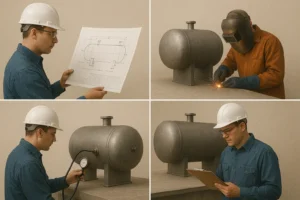
Pressure Vessel Design & Engineering: Concept to Launch
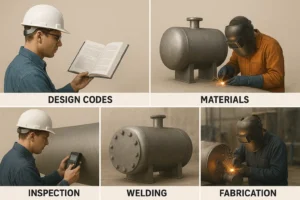
What is Pressure Vessel Design and Engineering: Code-Ready Guide
What are the Key Factors in Pressure Vessel Engineering
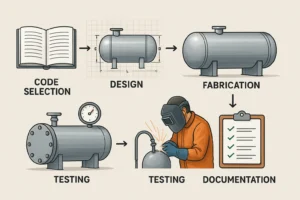
How Do You Design a Pressure Vessel: A Step-By-Step Guide
What is Pressure Vessel Fabrication and Manufacturing
No related articles found.
About Author