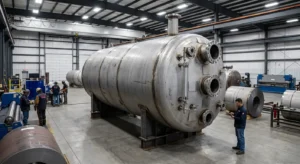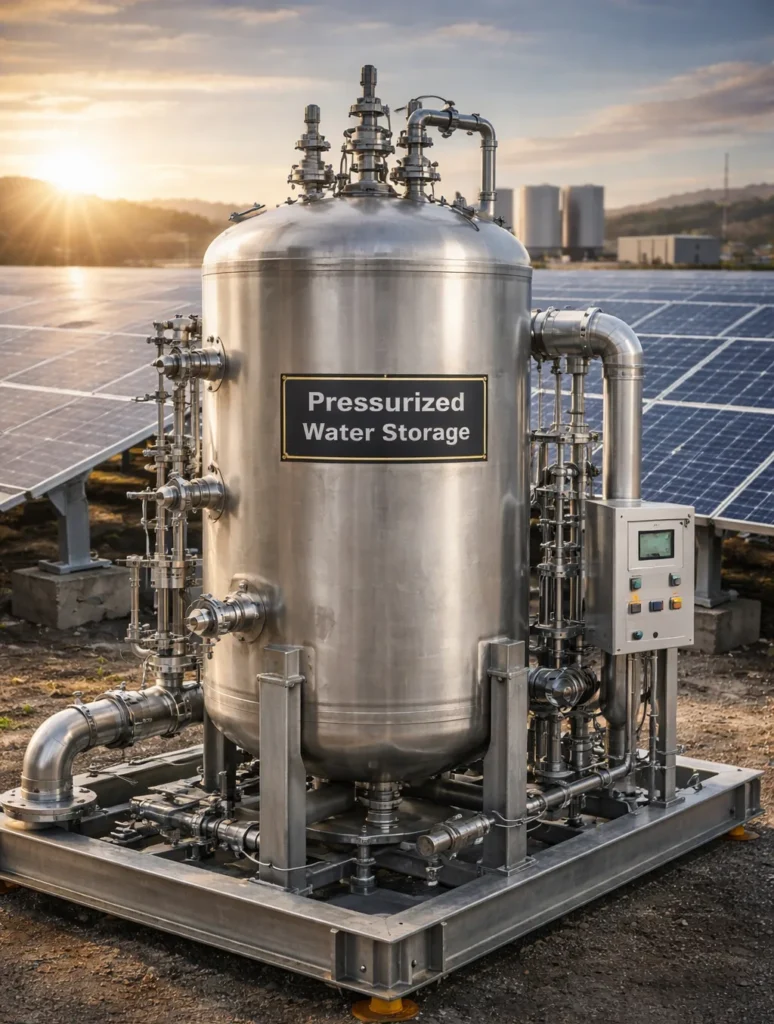
Pressurized water microgrid storage acts as both a hydraulic battery and a resilience tool, stabilizing water pressure, supporting renewable energy integration, and reducing reliance on traditional power sources. As microgrids expand across urban, rural, and off-grid settings, this technology is becoming essential for reliable, efficient, and autonomous water-energy systems.
Why Pressurized Water Microgrid Storage Is Gaining Ground
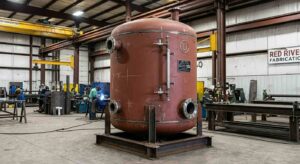
Pressurized water microgrid storage is rapidly transforming the way decentralized energy and water systems function, not only across rural areas but also in urban settings. By integrating pressurized water microgrid storage into existing energy infrastructure, communities and industries gain enhanced control over water pressure, energy balancing, and load shifting. These systems are increasingly being engineered as custom pressure vessels, a capability central to modern infrastructure solutions offered by manufacturers like Red River.
Unlike passive tanks, pressurized water storage vessels actively stabilize grid dynamics, reduce energy losses, and support renewable integration. When designed using best practices in pressure vessel fabrication and system integration, they become a critical asset for resilient microgrids.
In off-grid and remote scenarios, pressurized water microgrid storage plays a crucial role in maintaining system reliability and ensuring a consistent water supply. As microgrids expand across agricultural operations, military installations, island communities, and industrial parks, scalable storage solutions often delivered via modular skids and prefabrication are becoming essential. This technology is now recognized as a foundational element for autonomy, operational resilience, and long-term energy efficiency in next-generation distributed energy systems.
The Role of Pressurized Water Systems in Microgrids
Pressurized water storage in microgrid applications supports multiple cross-functional operations:
- Energy Shifting: Excess renewable power drives pumps that store energy hydraulically, reducing dependence on batteries alone an approach explored in understanding water tanks as pressure vessels.
- Water Delivery Optimization: Maintains consistent pressure for irrigation, HVAC, and potable water systems, especially in elevation-variable sites.
- Blackout Resilience: Stores immediately available pressurized water for medical, sanitation, and firefighting applications, similar to systems discussed in pressure vessels in fire-fighting systems.
- Smart Load Management: Reduces electrical peak loads by shifting demand to hydraulic storage.
- Combined Heat and Power (CHP): Pressurized hot water vessels contribute thermal energy to cogeneration systems, aligning with broader solutions for integrated infrastructure.
These vessels act as hybrid infrastructure, bridging water, energy, and emergency planning into a single engineered system.
Design Requirements for Pressurized Water Storage
To meet the demands of microgrid applications, pressurized storage vessels must be engineered with precision. Key design considerations include:
- Custom Pressure Ranges: From low-pressure domestic systems to high-pressure industrial applications, informed by insights from why you would need a pressure tank.
- Multi-Zone Flow Control: Using bladders or diaphragms, a concept further explained in pressure tanks vs. pressure vessels.
- Temperature Tolerance: Designs must account for extreme climates, as outlined in understanding pressure vessels for domestic water systems.
- Flexible Orientation: Horizontal or vertical layouts based on footprint and load requirements.
- Protective Linings: Epoxy or polymer coatings that extend service life, aligning with guidance on water presence in pressure vessels.
- Maintenance Accessibility: Manways and inspection ports that support long-term reliability and easier compliance.
Well-designed vessels reduce pump cycling, protect system components, and significantly increase microgrid uptime.
Integration with Renewable Energy Systems
Pressurized water storage bridges intermittent renewable generation with consistent demand:
- Hydrostatic Energy Buffers: Pressure discharge can drive micro-turbines during peak demand, complementing battery systems.
- Water–Energy Nexus: Renewable-powered pumping stores both water and energy efficiently, a concept explored in understanding the purpose of a pressure vessel.
- Thermal Integration: Heated pressurized vessels support radiant heating and industrial washing processes.
- Hybrid Control Systems: Integrated software platforms align with innovations discussed in AI’s role in transforming the energy industry.
- Rainwater Harvesting: Pressurized storage eliminates constant pump cycling, reducing electrical demand.
These integrations reduce diesel reliance and improve microgrid self-sufficiency.
Safety and Compliance Considerations
Safety is paramount in pressurized water microgrid storage. Systems must comply with stringent standards, including:
- Overpressure Protection: Relief valves and rupture disks prevent catastrophic failures, as outlined in types of failure in pressure vessels.
- ASME Certification: Essential for quality and compliance, detailed in demystifying ASME pressure vessel certification and supported by ASME-certified pressure vessels.
- Seismic Anchoring: Designed to meet ASCE and regional codes.
- Backflow Prevention: Protects public water supplies in grid-tied systems.
- Routine Inspection: Best practices align with comprehensive pressure vessel inspection and ongoing safety management.
Adhering to these standards prevents water loss, equipment failure, and safety hazards during critical operations.
Microgrid Sectors Using Pressurized Water Storage
Pressurized water storage in microgrid applications is utilized across a variety of sectors, each benefiting from its flexibility and reliability:
- Resort and Island Communities: Reliable, clean water with solar-backed pressure regulation ensures uninterrupted hospitality operations, even in remote locations.
- Off-Grid Mining and Construction Sites: Maintains pressure in dust suppression and cooling systems in remote job locations, improving operational efficiency.
- Urban Resilience Grids: Hospitals, universities, and high-rise buildings integrate pressure vessels to stabilize critical water systems, ensuring consistent water supply during power interruptions.
- Rural Electrification Projects: Combining photovoltaic (PV) systems with solar-powered water pressurization ensures hygiene and irrigation in underserved rural communities.
- Government and Defense: Military microgrids use water pressure storage to power field kitchens, showers, and hydration systems independently, enhancing operational autonomy.
These applications highlight why organizations increasingly turn to experienced fabricators with deep capabilities in engineered vessel systems.
Innovations in Water Storage for Microgrids
Technological advancements continue to drive improvements in pressurized water storage in microgrid applications. Notable innovations include:
- AI-Powered Control Valves: These advanced valves adjust water flow and pressure in real time, based on usage patterns and weather forecasts, improving system responsiveness.
- Multi-Chamber Storage Units: Separate drinking, gray water, and firefighting reserves within a single vessel system, increasing storage efficiency and versatility.
- Heat-Exchanging Vessel Walls: These walls recover waste heat from hot water tanks, reducing overall energy demands and improving system efficiency.
- Cloud-Based Monitoring: Predictive maintenance aligned with modern manufacturing and inspection processes.
- 3D-Printed Tank Components: 3D printing allows for faster prototyping and customization of vessel components like nozzles, diffusers, and brackets, streamlining production processes.
These innovations significantly enhance the scalability, flexibility, and lifecycle economics of microgrid deployments worldwide, providing long-term benefits to both urban and rural communities.
Microgrid Success Depends on Smart Water Storage
Ultimately, pressurized water microgrid storage offers far more than just simple water backup it serves as a foundational element of modern energy efficiency, safety, and sustainable infrastructure. In microgrid applications, pressurized water microgrid storage plays a dual role: stabilizing hydraulic pressure during grid disruptions and functioning as a form of energy storage, often referred to as a hydraulic battery. This functionality enables off-grid and remote systems to operate with greater independence, flexibility, and efficiency. As energy decentralization continues to gain momentum worldwide, pressurized water microgrid storage is becoming increasingly essential in supporting the seamless integration of water and energy systems. These versatile pressure vessels enhance system responsiveness, reduce reliance on fossil fuels, and contribute to overall grid stability. The growing demand for resilient, multi-functional solutions is driving widespread adoption of pressurized water microgrid storage, paving the way for smarter, cleaner, and more adaptive energy infrastructure in both urban and rural environments.
Need a reliable partner?
Red River specializes in the design and manufacturing of pressure vessels. We also fabricate related items such as prefabricated spools and skid packages.
Reach out to us today and experience the Red River difference. Where American-made products and American Values come together, we care more.
Frequently Asked Questions
1. What is the purpose of pressurized water storage in microgrids?
It stabilizes water pressure, stores hydraulic energy, and supports critical water delivery during power fluctuations or outages.
2. What pressure levels are typical in microgrid water systems?
They range from 30 to 150 psi, depending on elevation, building size, and system usage requirements.
3. Can these tanks be used for both potable and gray water?
Yes, with proper coatings and compartments, vessels can be designed to store multiple water types.
4. How do these vessels integrate with renewable energy sources?
Excess power is used to pressurize water, storing mechanical energy that offsets electrical loads and supports system balance.
5. Are pressurized tanks suitable for high-altitude or disaster-prone areas?
Absolutely. They can be reinforced for seismic and wind loads, and designed with thermal protection for extreme climates.
Key Takeaways
- Pressurized water storage in microgrid applications provides critical energy and water resilience across diverse use cases.
- These vessels support energy balancing, emergency response, and autonomous water supply.
- Smart integrations with solar, wind, and thermal systems enhance performance and flexibility.
- Materials, safety features, and compliance protocols must align with site-specific demands.
- Red River offers durable, American-made solutions that support smarter, self-sustaining microgrids for the future.
Related Blog Post
Which Materials Suit Make-Up Water Service?
How Big Should Make-Up Water Tanks Be?
Make-Up Water Tanks: Design, Sizing, and Fabrication
When to Spec Equalization Tanks for Industrial Systems