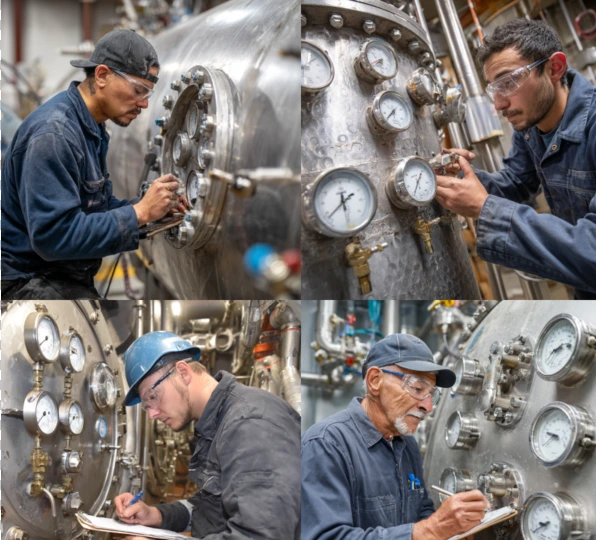
Proper pressure vessel maintenance ensures safety, minimizes downtime, and extends equipment life. This guide covers inspection schedules, material choices, and risk mitigation strategies that keep your operations compliant and efficient.
Practical Pressure Vessel Maintenance Tips for Safety and Efficiency
In many industries, from defense to oil and gas, pressure vessels store gases or liquids at elevated pressures, making them vital for daily operations. Yet recent OSHA inspections show that cracked or damaged vessels can lead to serious leakage, fire, or even explosions. If you’re searching for a pressure vessel manufacturer in the USA, you already appreciate the importance of solid engineering. But understanding pressure vessel maintenance is equally critical to avoid costly shutdowns and ensure everyone’s safety. The good news is, these steps are simpler than you might think.
Proper pressure vessel maintenance helps you stay code-compliant, extend vessel lifespan, and minimize downtime. Below, you’ll find clear tips on picking materials, setting an inspection schedule, and mitigating risks so your pressure vessel can run smoothly for years.
Key Pressure Vessel Maintenance Steps
When you think of pressure vessel maintenance, you might picture elaborate procedures and big budgets. In truth, regular checkups and sensible upkeep will prevent most failures. According to OSHA, many accidents arise simply because small cracks or corrosion are overlooked. You can address this by following recognized standards, such as the ASME code, and by planning inspections that spot trouble early.
Pressure vessel maintenance typically involves these core tasks:
- Scheduling routine inspections (external and internal).
- Repairing or replacing faulty components.
- Following documented codes and best practices.
- Keeping detailed records of vessel condition and service history.
By following these steps, you limit the chance of sudden leaks, toxic exposure, or catastrophic failures. Standard rules from organizations like the American Society of Mechanical Engineers (ASME) and the Occupational Safety and Health Administration (OSHA) serve as your road map.
Pick Suitable Fabrication Materials
A major part of pressure vessel maintenance is making smart choices when selecting or upgrading materials. It’s much easier to keep a well-chosen material in good shape than to do frequent repairs on an unsuitable metal. Manufacturers often use:
- Titanium: High corrosion resistance, great for chemical or saltwater environments.
- Nickel alloys: Excellent for corrosion-prone or high-temperature conditions.
- Stainless steel: Resilient, rust-resistant, easy to clean. Common for food or pharmaceutical applications.
- Carbon steel: Affordable, widely used, but needs protective coatings or linings in harsher environments.
Currently, stainless steel, titanium, and nickel alloys remain industry favorites for pressure vessel fabrication due to their proven durability and low maintenance requirements. Choosing the right material should align with your specific operating conditions, including temperature, pressure, and corrosion exposure. When materials are properly matched to the application, they reduce the likelihood of frequent repairs and make pressure vessel maintenance more manageable over the long term.
Follow Inspection and Testing Guidelines
The heart of pressure vessel maintenance is regular inspection. Industry data suggests that pressure vessels in the United States should be inspected at least once every one to five years, although more frequent checks are recommended for high-risk environments.
Common inspection types include:
- Internal Inspections: Conducted when the vessel is empty and shut down (out-of-service). Technicians look for cracks, thinning walls, or signs of stress.
- External Inspections: Performed while the vessel is still operating (in-service). This checks pressure gauges, outer shell integrity, or leaks around joints.
- Non-Destructive Testing (NDT): Methods like ultrasonic, radiographic, or magnetic testing detect hidden flaws without harming the vessel. Certified inspectors follow codes laid out by ASME, API, or other bodies.
Keeping a digital record of results ensures you can track problem areas over time. Consider logging changes in wall thickness, an overview of repairs, and the date of each test. This helps you spot recurring issues early and streamline your pressure vessel maintenance plan.
Mitigate Key Risks and Hazards
Even well-built, regularly checked vessels can face hazards. Familiarizing yourself with common risks helps you pinpoint potential issues before they escalate. According to a 2024 survey by APEC Inspect, the most frequent risks include:
- Overpressure: Exceeding design limits can cause leaks or rupture.
- Corrosion: Especially in humid or corrosive industries (chemical, maritime).
- Human error: Incomplete training or missed safety checks.
To manage these risks, a pressure vessel maintenance program must include regulation, monitoring, and training. Here’s a closer look:
Regulate pressure
- Ensure valves function properly.
- Perform frequent tests on pressure-relief systems.
- Follow recommended fill and discharge protocols.
Control corrosion
- Use coatings or liners to protect carbon steel.
- Monitor the vessel’s surface for signs of pitting.
- Check for leaks or odors that might indicate hidden corrosion.
Train your team
- Verify that everyone knows how to read gauges and detect unusual noises.
- Promote a culture where staff report potential issues promptly.
- Teach employees to handle shutdown procedures confidently.
A well-implemented pressure vessel maintenance program keeps your vessel stable and your staff alert. If you find cracks or experience unexpected pressure drops, act immediately. Letting those issues slide can lead to catastrophic failures and unplanned downtime.
Why Pressure Vessel Maintenance Can’t Be Skipped
Skipping scheduled pressure vessel maintenance can lead to unexpected equipment failure, safety hazards, and regulatory penalties. Consistent inspections, documentation, and proactive repairs are the foundation of a reliable system. For industries where uptime is critical, pressure vessel maintenance isn’t optional; it’s strategic. Making it a priority boosts safety and preserves long-term equipment value.
Pressure Vessel Maintenance for Safety and Long-Term Performance
Ultimately, pressure vessel maintenance comes down to consistent care, good materials, and thorough inspections. By addressing small cracks early, choosing metals that match your operating environment, and keeping detailed service records, you can dodge big-ticket repairs. You also reduce risks to your team, your community, and your bottom line.
Make a short checklist to review inspection intervals, proper operating pressures, and staff training. If you follow established codes like ASME and properly schedule your maintenance, you’ll stay on top of every challenge. With a well-managed pressure vessel maintenance plan, you minimize hazards and focus on what matters: running your operations smoothly and efficiently.
Make Pressure Vessel Maintenance a Priority
Pressure vessel maintenance is not just a technical requirement; it’s a critical pillar of operational safety and cost control. By integrating routine inspections, smart material choices, and staff training into your workflow, you reduce risk and extend the life of your equipment. Don’t treat maintenance as an afterthought; make it a cornerstone of your reliability strategy today.
Get Your Pressure Vessel Maintenance Plan
Red River’s ASME-certified inspectors have prevented over 200 emergency shutdowns in the past year alone. We don’t just find problems; we create actionable pressure vessel maintenance schedules that fit your operational reality. Reach out to us today to request a free quote.
Frequently Asked Questions
1. What is pressure vessel maintenance?
Pressure vessel maintenance is the practice of conducting regular inspections, testing, and repairs to ensure safety and compliance. It includes checking for cracks, corrosion, pressure system functionality, and following ASME codes to prevent failures.
2. How often should a pressure vessel be inspected?
Pressure vessels should be inspected every 1-5 years, depending on service conditions, with high-risk environments requiring more frequent checks. ASME codes and local regulations determine specific intervals based on operating pressure and materials.
3. How to maintain a pressure vessel?
Maintain pressure vessels through regular ASME-compliant inspections, proper material selection, pressure monitoring, corrosion control, staff training, detailed record-keeping, and immediate repair of detected cracks or defects. These are essential elements of a strong pressure vessel maintenance plan.
4. What happens if I skip routine maintenance?
Skipping pressure vessel maintenance raises the risk of leaks, toxic exposure, explosions, and expensive downtime. OSHA’s data shows that many major failures start as undetected cracks or corrosion.
5. How do I handle a leaking vessel?
Immediately shut down and depressurize the system if it’s safe to do so. Contact a certified inspector or a pressure vessel maintenance specialist to assess the damage. Correcting the leak quickly helps you prevent larger failures.
Key takeaways
- Early intervention prevents major failures. Spot small cracks or corrosion signs before they escalate.
- Wise material selection simplifies pressure vessel maintenance. Choose the right metal for your application.
- Inspection schedules matter. Regular checks, both internal and external, reduce serious risks.
- Training is a powerful defense. Proper knowledge lowers the chance of human error.
- Code compliance builds a safety net. Adhering to ASME or OSHA rules protects people, property, and productivity.
Related Blog Post
Can Condensate Storage Improve Reliability?
Where Do Condensate Tanks Fit in a Steam System?
Which Nozzles Simplify Maintenance on Pressure Vessels?
How to Vent Condensate Tanks in Steam Systems
How Do Baffle Layouts Affect Stratification in TES Tanks?
About Author