

Step-by-Step Guide on How to Get TIG Welding Certification
Learning how to get TIG welding certification training programs and certification can unlock new career paths in manufacturing, oil and gas, or precision equipment. Known as GTAW, TIG welding delivers accuracy and clean results. This guide covers training, testing, study tips, and safety essentials, making certification easier when you follow a focused plan.
Understanding how to get TIG welding certification
Before diving into the process, it helps to know what TIG welding training programs and certification involve. This qualification verifies your ability to work with tungsten electrodes, handle certain shielding gases, and weld metals neatly without compromising structural integrity.
If you are brand-new to welding or want to deepen your knowledge, you can review helpful basics about what is TIG welding certification. It covers core competencies, such as selecting the correct filler metal and controlling heat input. Most certifications align with guidelines set by recognized organizations like the American Welding Society (AWS) or the American Society of Mechanical Engineers (ASME).
Why it matters for your career
TIG welding appears in industries that demand precision, including aerospace, petrochemicals, pharmaceuticals, and high-spec manufacturing. For example, Red River LLC, an ASME-certified company offering a wide range of industrial solutions, emphasizes the importance of top-notch welding across its projects. As a member of the American Welding Society (AWS), Red River invests in ongoing training and capabilities. That commitment mirrors what top employers look for: proven expertise and consistent quality.
A TIG certification sets you apart when applying for specialized roles or bidding on contracts. Employers often prefer certified welders because it signals a thorough knowledge of safety standards, welding theory, and practical application. In some regions, certain welding procedures must be performed by certified personnel to meet regulatory or industry requirements.
Are there prerequisites?
Many aspiring welders worry they might need advanced experience before enrolling in a program. That is not always the case. Some training providers, such as Red River LLC, offer programs that do not require prior welding experience. Typically, you just need basic math skills, an understanding of welding fundamentals, and, of course, a commitment to practice. Certain certification exams, especially higher-level ones, do demand proven hours under a qualified instructor.
Choose a recognized certification path
Selecting the right path relies on two main factors: the type of certification you want and the kind of training that suits your style. TIG welding certifications commonly come from organizations such as the AWS TIG welding certification, which is widely recognized in the industry.
- AWS (American Welding Society)
- ASME (American Society of Mechanical Engineers)
- Various trade associations or local licensing boards
Community colleges and trade schools
Local community colleges and vocational schools offer programs combining welding theory, safety, and hands-on training from experienced instructors. These courses often include lab work and TIG welding fundamentals. When registering, you may also find related listings for welding certification classes, giving you structured guidance toward achieving professional credentials.
Specialized programs or on-the-job training
For hands-on learning, explore training centers or apprenticeships emphasizing safety and real-world practice. Red River highlights these advantages. Unsure where to start? Research where to get tig welding certification or where to take welding certification classes. Many programs offer flexible schedules, letting professionals quickly master advanced welding techniques.
Online resources
Some elements of welding theory and code requirements are available in virtual classrooms. You could supplement your skills through welding certification online. However, keep in mind you will need in-person lab sessions to refine hand-eye coordination and arc control.
Practice essential TIG welding techniques
Once you pick your training path, it is time to sharpen your physical welding skills. TIG welding stands out because it requires a sure hand, careful movement, and the ability to run a weld pool while adding filler material. These fundamentals apply to everything from carbon steel to exotic alloys, similar to those used in specialized pressure vessel fabrications. Practice is the core of your journey, so set up a disciplined routine that covers:
- Torch control: Keep a consistent angle and height from the workpiece.
- Filler rod feeding: Coordinate feed rate and movement for a smooth weld bead.
- Heat management: Adjust amperage to avoid burning through thinner metals.
- Safety measures: Always wear suitable protective gear and follow OSHA guidelines for a safe work area.
Red River’s focus on safety and precision
Because Red River is ASME-certified, they place an especially high priority on safety. Employees and trainees are encouraged to keep their workstations clear and double-check each weld step. Ongoing improvement is also integral, with investments in Lean Six Sigma and efficiency methods, ensuring the strongest pressure vessels in the industry.
Get feedback early and often
It helps to have a mentor or instructor review your welds at each stage. Spotting errors, such as undercut or porosity, is far easier when someone experienced looks over your work. If you don’t have direct access to a mentor, you can always connect through industry blogs or local welding networks for advice.
How to get TIG welding certification
By now, you understand the steps to earn TIG welding certification: training, practice, safety, and modern techniques. Once confident, schedule your exam through an approved center. For exam details, review what is on the tig welding certification test. Passing makes you a certified TIG welder employers value.
Earning AWS TIG welding certification boosts pay, responsibility, career opportunities, and business potential while inspiring continual growth with industry leaders.
Take the Next Step Toward Your Welding Career
If you are ready to boost your career opportunities, now is the time to pursue TIG welding certification. Start researching accredited training programs, connect with experts, and begin your journey toward becoming a certified TIG welder today. You can also request a quote or contact Red River directly to learn about their training, safety-first culture, and industry-leading solutions.
Frequently Asked Questions
1. Where to get tig welding certification?
You can get TIG welding certification at accredited welding schools, technical colleges, or through recognized organizations such as the American Welding Society (AWS).
2. What is tig welding certification?
TIG welding certification is an official credential that verifies a welder’s skill and proficiency in tungsten inert gas (TIG) welding techniques.
3. Can you get welding certification online?
Portions of the theory can be taken online, plus some practice quizzes. However, a hands-on exam is typically mandatory. For more details, see how to get welding certification online.
4. How often do I need to renew my TIG certification?
Most welding certifications do not expire if you regularly work with that process. However, some certifying bodies ask for periodic forms or proof of continued welding activity. Always check with your specific organization’s regulations.
5. What if I fail the certification test?
Failing a test is not the end. You can attempt a retest after more practice. Programs like where to get welding certification training offer refresher courses. With focused skill development, retaking the test becomes more manageable.
6. How important is safety gear and environment?
Both are critical to your success and well-being. Use safety glasses, gloves, aprons, and any additional gear recommended for TIG welding. Maintaining a clean, well-lit station reduces errors and protects you from injuries.
7. Why is thorough practice essential before the exam?
TIG welding demands precise technique. Even small mistakes like incorrect torch angles can compromise the integrity of your weld. Practice helps you develop steady movements, proper heat control, and consistent filler feeding, all of which are tested in certification exams.
Key takeaway
- Pick a certification path that matches your current skills (AWS, ASME, or state-specific programs).
- Establish a consistent routine to refine torch control and filler rod feeding.
- Use lab sessions or on-the-job training for real-time feedback and improvement.
- Emphasize safety at every stage to protect yourself and your future colleagues.
- Stay open to further credentials or advanced courses to remain competitive.
Related Blog Post
Can Condensate Storage Improve Reliability?
Where Do Condensate Tanks Fit in a Steam System?
Which Nozzles Simplify Maintenance on Pressure Vessels?

How to Vent Condensate Tanks in Steam Systems
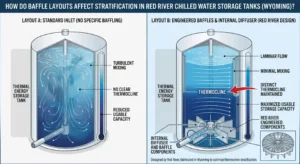
How Do Baffle Layouts Affect Stratification in TES Tanks?
About Author



