
Molecular sieves are precision adsorbents used in gas and liquid purification. To work effectively, they must be activated by removing moisture and contaminants. Activation ensures optimal pore availability for targeted adsorption. Without proper activation, sieves underperform and lead to operational inefficiencies. Correct storage, heating, and reactivation methods can extend their effectiveness.
Molecular Sieves and Their Role
Molecular sieves are specialized adsorbents used in industries such as gas processing, petrochemicals, and environmental management. They remove specific molecules from gases and liquids, depending on the size and shape of their pores. With molecular sieves, industries can achieve higher efficiency and product purity.
These sieves are made from synthetic zeolite and offer uniform pore sizes. This allows them to trap molecules that fit while selectively excluding larger ones. Different molecular sieves, such as 3A, 4A, 5A, and 13X, are available for various applications. Whether you need to dehydrate gas streams, purify chemicals, or separate mixtures, the right molecular sieve can make a significant difference. Learn more about choosing the best molecular sieve.
How Molecular Sieves Work
Molecular sieves operate on a principle called adsorption, where specific molecules adhere to the sieve’s surface. This process works best when the sieve is fully activated, ensuring its pores are open and ready to capture contaminants. Activation typically involves heating to remove any absorbed moisture that might block the pores.
The pore size of a molecular sieve determines its effectiveness. For example, 3A sieves remove water from natural gas in the oil and gas industry while leaving larger hydrocarbons untouched. This ensures dry fuel output and efficient operations. To learn about common applications, explore molecular sieve dehydration methods.
The Necessity of Activating Molecular Sieves
Why Activation is Important
Activating molecular sieves prepares them for optimal performance. The process removes moisture and impurities, allowing efficient adsorption of target molecules. Blocked pores reduce performance without activation, leading to operational inefficiencies and lower product quality.
For details on proper activation methods, check out our guide on activating molecular sieves.
The Activation Process of Molecular Sieves
Heating molecular sieves, often in a vacuum or with inert gas, removes moisture and contaminants. This fully opens the pores, ensuring readiness for use. Vacuum drying also effectively prepares sieves for quick activation.
Read about how to dry molecular sieves.
Signs That Molecular Sieves Need Re-Activation
Over time, molecular sieves may lose efficiency by accumulating moisture and impurities. Reduced adsorption capacity, increased pressure drops, or compromised product quality indicate the need for reactivation. Timely action restores their effectiveness and maintains operational performance.
Best Practices for Molecular Sieve Activation
Tips for Proper Activation
Store molecular sieves in airtight, dry conditions to prevent premature moisture absorption. Before activation, ensure clean, dry equipment. Gradually heat the sieves to the recommended temperature (200°C to 300°C) based on the type. Maintain a steady inert gas flow, like nitrogen, to aid moisture removal. Once activated, store sieves properly to avoid exposure until use.
For a deeper dive, check our guide on molecular sieve reusability.
Common Mistakes to Avoid During Activation
Improper activation reduces sieve performance. Common errors include uneven heating, which can damage the structure, or incomplete moisture removal, which lowers adsorption efficiency. To prevent issues, closely monitor temperature and ensure consistent heating.
Ensuring Effective Molecular Sieves and Their Activation
Molecular sieve lifespan and activation are essential to achieving consistent industrial performance. From correct selection to proper reactivation, each step ensures cost-efficiency and operational stability. When paired with well-maintained pressure vessels and regulatory compliance, activated sieves help avoid downtime and optimize output quality. Learn about maintaining pressure vessels.
Maximize Your Molecular Sieves – Contact Red River Today!
Keep your molecular sieves performing at peak efficiency with the right activation methods. At Red River, we design and manufacture high-quality pressure vessels and related equipment, including prefabricated spools and skid packages, to ensure your operations run smoothly.
Contact Red River today and experience the difference.
Frequently Asked Questions
1. What takes place if molecular sieves are not activated well?
Improper activation leaves moisture inside the pores, lowering adsorption capacity. This affects purity, raises pressure drops, and shortens lifespan.
2. Can molecular sieves be reactivated once they are used?
Yes, reactivation removes absorbed moisture, restoring performance. Use proper heat levels to avoid damaging the sieve.
3. How do I realize which sort of molecular sieve is proper for my utility?
Choose based on target molecules, purity needs, and conditions. Consult pore sizes—3A, 4A, 5A, 13X—for the best match.
4. How long do molecular sieves typically last before they need to be replaced?
They can last years with proper activation and care. Monitor performance and reactivation needs to judge replacement timing.
5. Are there any alternatives to molecular sieves for gas or liquid purification?
Yes, options include silica gel, activated alumina, and carbon. Choice depends on contaminants, cost, and desired precision.
Key Takeaways
- Activation is essential for optimal molecular sieve performance
- Moisture-free storage prevents early degradation
- Correct heating techniques maintain adsorption efficiency
- Different sieves serve different industrial needs
- Alternatives exist but may offer different precision levels
Related Blog Post
Can Condensate Storage Improve Reliability?
Where Do Condensate Tanks Fit in a Steam System?
Which Nozzles Simplify Maintenance on Pressure Vessels?
How to Vent Condensate Tanks in Steam Systems
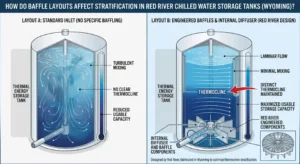
How Do Baffle Layouts Affect Stratification in TES Tanks?
No subpillar set for this blog post.
About Author