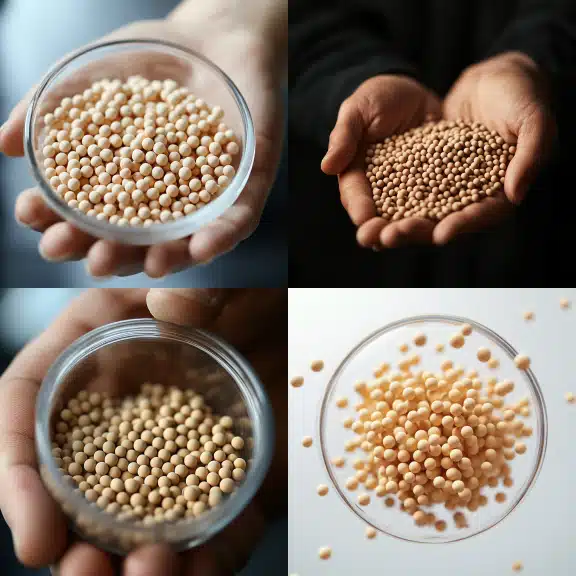
Molecular Sieve Disposal is a critical process to ensure used sieves are handled in a safe and environmentally responsible manner. Proper disposal or regeneration helps prevent contamination of soil and water, supports regulatory compliance, and reduces waste. Partnering with a professional provider like RedRiver LLC ensures that your operations remain safe, compliant, and efficient.
Molecular Sieve Disposal: Environmental Considerations
Molecular sieves are a crucial component in many commercial applications. Known for their ability to selectively separate molecules based on size, these sieves are often made from materials like zeolites. They are widely used in industries such as oil and gas, biogas, and chemical technology. Their unique properties make them essential for processes like fuel drying, purification, and separation. However, like any industrial material, proper disposal becomes necessary once they reach the end of their lifecycle. Learn more about their uses in where are molecular sieves used.
Sustainable Solutions for Molecular Sieve Disposal
At Red River, we understand the importance of proper disposal methods for molecular sieves. This isn’t just about meeting regulations it’s about protecting the environment and ensuring smooth operations. Incorrect disposal can lead to contamination, environmental degradation, or even legal issues. That’s why partnering with a knowledgeable waste management provider is crucial. They ensure your business operations remain safe and compliant.
Environmental Concerns with Molecular Sieve Disposal
Improper disposal of molecular sieves can have severe environmental consequences. Harmful chemicals can leach into soil and water, threatening ecosystems. At Red River, we take our responsibility seriously. Not only do we manufacture pressure vessels, but we also ensure the safe disposal of materials like molecular sieves. By adhering to strict environmental guidelines, we reinforce our commitment to sustainability and waste control. Proper handling is critical when using pressure vessels where sieves are installed.
Best Practices for Disposing of Molecular Sieves
Safe Disposal Methods for Used Molecular Sieves
Effective disposal of used molecular sieves is vital for preventing environmental harm and ensuring regulatory compliance. At Red River, we recommend a systematic approach. This includes neutralizing hazardous materials, securely packaging spent sieves, and utilizing licensed disposal facilities. These steps minimize risks and ensure safety for both individuals and the environment. For technical guidance on handling equipment where sieves are applied, reference pressure vessel inspection requirements.
Recycling and Reuse Options
Whenever possible, recycling and reusing molecular sieves offer a sustainable alternative to disposal. Spent sieves can often be regenerated and reused in various applications. At Red River, we encourage customers to explore these options. Recycling not only reduces waste but also provides significant cost savings over time. Learn about molecular sieve devices and their potential for reuse. Coupling this with knowledge of desiccant replacement frequency ensures optimal performance.
Regulatory Guidelines for Molecular Sieve Disposal
Adhering to regulatory guidelines is essential in the disposal process. These rules ensure minimal environmental impact and maintain safety standards. At Red River, our team stays up-to-date with the latest policies, helping you navigate compliance and guaranteeing your disposal practices are both legal and environmentally responsible. Understanding EU water regulations also plays a role when molecular sieves interact with moisture-sensitive operations.
Why Molecular Sieve Disposal Matters
Molecular sieve disposal is a vital process that protects both your operation and the environment. Proper handling mitigates contamination risks, ensures regulatory compliance, and fosters sustainable practices. When molecular sieves are used inside pressure vessels, disposal should be coordinated with vessel inspection and maintenance to uphold system integrity. For more on system operations, see understanding air tanks as pressure vessels.
Secure, Compliant, and Eco-Friendly Molecular Sieve Disposal
Don’t risk environmental or regulatory issues trust Red River to handle your molecular sieve disposal safely and efficiently.
Reach out today to protect your operations and support sustainable practices with expert guidance every step of the way.
Frequently Asked Questions
1. What happens if molecular sieves are disposed improperly?
Improper disposal of molecular sieves can lead to serious environmental issues. Harmful chemicals may leach into soil or water, and volatile compounds can pollute the air. These actions may also expose your operation to regulatory fines or legal penalties.
2. Can molecular sieves be regenerated instead of disposed?
Yes, molecular sieves can often be regenerated if not overly contaminated. This process typically involves heating or applying a vacuum to release absorbed substances. Regeneration saves costs and supports eco-friendly waste management.
3. How do pressure vessels comply with safety regulations when sieves are used?
Pressure vessels must meet recognized safety protocols such as ASME standards. This ensures they maintain structural integrity while housing molecular sieves. Regular inspections are necessary to verify compliance and prevent accidents.
4. How often do pressure vessels need to be inspected when molecular sieves are involved?
Inspection frequency depends on usage, material exposure, and compliance requirements. Typically, inspections are performed during sieve replacement or at scheduled maintenance intervals. Frequent inspection helps catch wear, corrosion, or leaks early.
5. What should be included in a pressure vessel inspection checklist when replacing sieves?
The checklist should include structural integrity, internal surface conditions, gasket and seal checks, and corrosion detection. Documentation of past repairs and pressure tests is also important. These steps ensure the vessel is safe for reuse.
Key Takeaways
- Molecular Sieve Disposal is essential to prevent environmental harm and meet regulatory requirements.
- Safe disposal involves neutralization, secure packaging, and use of licensed waste handlers.
- Regeneration or recycling can reduce waste and cost, when conditions allow.
- Disposal should be coordinated with Pressure Vessel Inspection and Maintenance to maintain system safety.
- Partnering with RedRiver LLC ensures professional, compliant, and sustainable disposal practices.
Related Blog Post
Where Should Industrial Tanks Be Located?
How Do Tie-Ins Impact Downtime
What Are Thermal Storage Tank Design Parameters?
Can Modularization Speed Builds on Industrial Projects?
Which Weld Procedures Are Common in Vessel Fabrication
No subpillar set for this blog post.
About Author