API 650 storage tanks are welded steel tanks designed to safely store oil, fuel, chemicals, and hazardous materials, built according to strict API 650 standards for durability, corrosion resistance, and long-term reliability. Materials like carbon steel, stainless steel, aluminum, and specialty alloys are chosen based on strength, corrosion resistance, ductility, and toughness to meet specific storage needs.
Introduction to API 650 Storage Tanks
Overview of API 650 Standards
API 650 welded steel storage tanks are designed to store oil, fuel, chemicals, and other hazardous materials in compliance with the American Petroleum Institute’s API 650 standard. These standards outline strict requirements for design, material selection, fabrication, inspection, and testing, ensuring tanks can resist extreme conditions, prevent leaks, and provide decades of safe operation. Explore Red River’s industry-leading fabrication and design capabilities to see how we deliver expert, compliant storage tank solutions.
Common Materials Used in API 650 Storage Tanks
Carbon Steel
Carbon steel is one of the most commonly used API 650 compliant materials. It offers exceptional strength and durability, making it ideal for storing oil, chemicals, and other liquids. Its affordability and availability make carbon steel a preferred choice for industries requiring large welded storage tanks. Learn more about performance and compliance in our processing tank materials guide.
Stainless Steel
Stainless steel is valued for corrosion resistance and durability. It is frequently chosen for API 650 tanks that store highly corrosive substances or operate in harsh environmental conditions. This ensures long service life and reduced maintenance costs.
Aluminum
Aluminum is lightweight, corrosion resistant, and suitable for specialized API 650 applications. While not as strong as steel, its ease of fabrication makes it useful in certain custom tank designs.
Specialty Alloys
Specialty alloys with high nickel or chromium content are used when standard materials cannot meet API 650’s demanding requirements. These alloys deliver superior resistance to chemical attack and extreme temperature performance.
Material Properties for API 650 Tanks
Tensile Strength
The tensile strength of the materials used in API 650 tanks plays a crucial role in determining their ability to withstand internal and external pressures without breaking. For instance, high tensile strength ensures that the tank can securely store a variety of substances in challenging environments.
Corrosion Resistance
Materials with high corrosion resistance are essential for API 650 tanks, especially when storing corrosive liquids. In fact, corrosion-resistant materials not only extend the tank’s lifespan but also significantly reduce maintenance costs over time.
Ductility
Ductility refers to a material’s ability to deform without breaking. This property is particularly important for API 650 tanks, as they must handle pressure changes caused by filling, emptying, and environmental fluctuations. Consequently, ductile materials enhance the tank’s resilience and adaptability.
Toughness
Toughness measures a material’s capacity to absorb energy and resist fractures. Therefore, API 650 tank materials must exhibit toughness to handle sudden impacts and unexpected changes in strain or temperature.
Need a reliable partner?
Red River specializes in the design and manufacturing of pressure vessels. We also fabricate related items such as prefabricated spools and skid packages.
Reach Out to us today and experience the Red River difference. Where American Made and American Values come together, we care more.
Frequently Asked Questions
1. What are the primary uses for API 650 storage tanks?
API 650 tanks are primarily used for large-scale storage of oil, fuel, chemicals, and hazardous substances. They meet stringent safety and regulatory standards, ensuring resistance to extreme environmental conditions while preventing leaks or spills.
2. How are API 650 storage tanks inspected and maintained?
Regular inspections include visual checks, ultrasonic thickness testing, hydrostatic tests, and verification of protective coatings. Maintenance may involve recoating, corrosion repairs, and replacing worn components to ensure continued compliance. See our comprehensive pressure vessel inspection services for advanced safety protocols.
3. What factors affect the lifespan of an API 650 storage tank?
Material selection, product stored, environmental exposure, and maintenance frequency all impact tank life. Properly maintained API 650 tanks can operate for several decades.
4. Can API 650 storage tanks be custom-designed?
Yes, tanks can be engineered for unique requirements including special coatings, heating/cooling systems, seismic reinforcement, and tailored dimensions.
5. What are the key safety concerns for operating API 650 storage tanks?
Proper grounding, pressure relief systems, spill containment, and regular operator training are essential safety measures.
Key Takeaways
- API 650 tanks comply with rigorous standards ensuring safe storage of hazardous substances.
- Common materials include carbon steel, stainless steel, aluminum, and specialty alloys for strength and corrosion resistance.
- Material properties like tensile strength, ductility, toughness, and corrosion resistance are critical for tank longevity.
- Regular inspection, maintenance, and proper safety measures extend tank lifespan and prevent accidents.
Related Blog Post
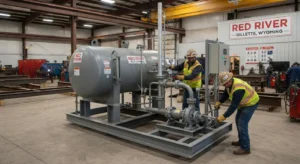
Can Condensate Storage Improve Reliability?
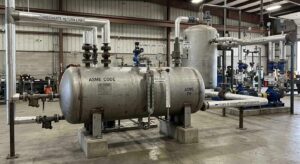
Where Do Condensate Tanks Fit in a Steam System?
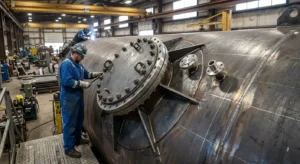
Which Nozzles Simplify Maintenance on Pressure Vessels?
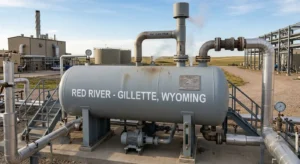
How to Vent Condensate Tanks in Steam Systems
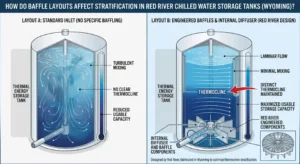
How Do Baffle Layouts Affect Stratification in TES Tanks?
No related articles found.
About Author