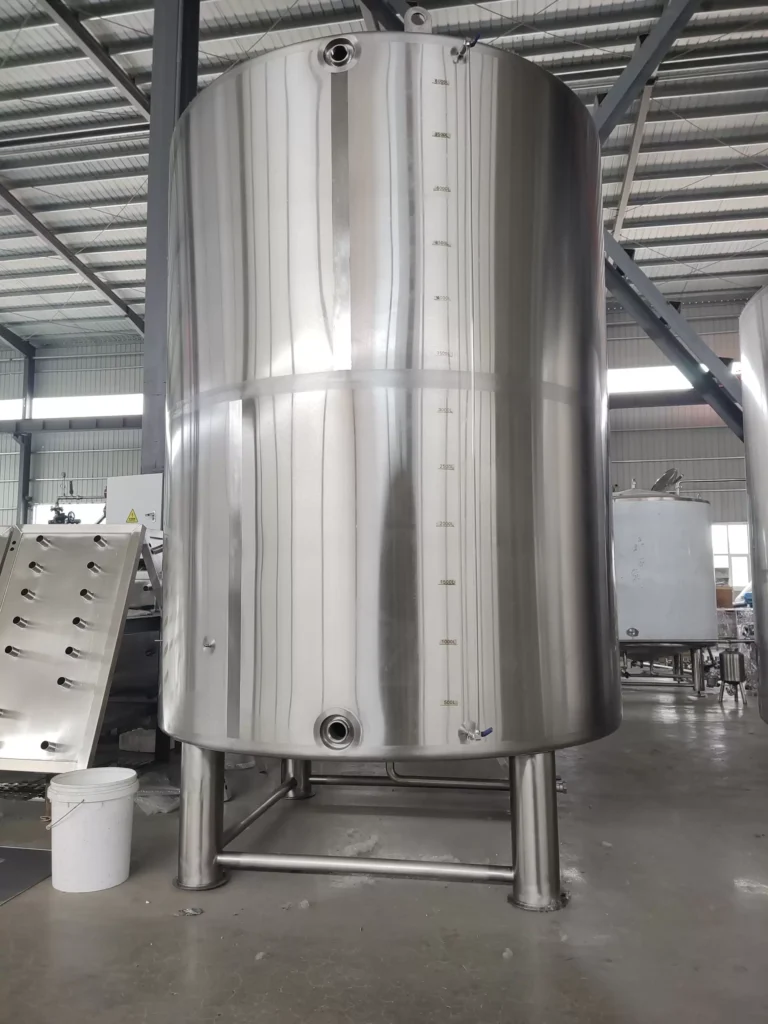
Glycol plastic is a durable, versatile polymer made from ethylene glycol and terephthalic acid, offering high strength, chemical resistance, and thermal and electrical insulation. Its adaptability, variety of grades, and sustainable manufacturing options make it suitable for industries ranging from automotive to medical and packaging.
Introduction to Glycol Plastic
Definition of Glycol Plastic
Glycol plastic is a versatile cloth that is widely recognized for its sturdiness and adaptability in numerous industrial programs. Specifically, it is derived from ethylene glycol and terephthalic acid, resulting in a polymer that offers unique properties.
How Glycol Plastic is Made
Raw Materials Used in Glycol Plastic Production
The primary raw substances for glycol plastic production are ethylene glycol and terephthalic acid. After combining these materials, they go through a polymerization technique to form the base fabric. Once this stage is complete, the material can be molded into various shapes and forms.
Manufacturing Process Explained
The manufacturing procedure of glycol plastic entails polymerization, extrusion, and molding. Through this process, the fabric retains its useful properties, such as high electrical resistance and durability against environmental stress.
Innovations in Glycol Plastic Manufacturing
Recent improvements in glycol plastic production have focused on increasing efficiency and reducing environmental impact. For example, advanced techniques, along with bio-based glycol manufacturing and recycling initiatives, are paving the way for a more sustainable future.
Properties of Glycol Plastic
Physical and Chemical Properties
Glycol plastic boasts remarkable physical and chemical properties, including exceptionally high tensile strength, resistance to chemical substances, and stable performance under various temperatures. As a result, these attributes make it highly suitable for demanding applications.
Durability and Strength
One of the key advantages of glycol plastic is its durability. Specifically, it can withstand significant wear and tear, making it ideal for applications that require long-lasting and resilient materials.
Thermal and Electrical Conductivity
Glycol plastic exhibits excellent thermal and electrical insulating properties. Because of this, it is highly beneficial in applications where these traits are essential, such as in electric housings and insulation materials.
Types of Glycol Plastic
Variations and Grades of Glycol Plastic
Glycol plastic is available in a wide range of grades and formulations, each tailored for specific applications. This variety allows manufacturers to select the most suitable type for their needs, ensuring optimal overall performance.
Comparison with Other Types of Plastics
Compared to traditional plastics, glycol plastic offers superior performance in terms of durability, resistance to environmental factors, and versatility. Consequently, its distinctive properties make it a valuable option across many industries.
Specialized Glycol Plastics for Specific Applications
Specialized glycol plastics have evolved for the area of interest applications, which include medical devices that require biocompatibility or car parts that want excessive effect resistance. These specialized materials meet stringent industry standards.
Need a reliable partner?
Red River specializes in the design and manufacturing of pressure vessels. We also fabricate related items such as prefabricated spools and skid packages.
Reach Out to us today and experience the Red River difference. Where American Made and American Values come together, we care more.
Frequently Asked Questions
1. What industries usually use glycol plastic?
Glycol plastic is widely used in the vehicle, packaging, medical, and various industrial sectors. For example, in the automobile industry, it is commonly used for indoor additives and engine components due to its durability and heat resistance. Similarly, in packaging, glycol plastic provides a strong barrier against moisture and gases, making it an excellent choice for food and beverage containers.
2. How does glycol plastic observe to precise forms of plastics in phrases of environmental impact?
Glycol plastic typically has a lower environmental impact than some traditional plastics. In recent years, technological advancements have led to the development of bio-based glycol plastics, which are derived from renewable resources and are more biodegradable. Additionally, glycol plastic can be recycled, which helps reduce waste and promote a more sustainable lifecycle.
3. Are there any barriers or drawbacks to using glycol plastic?
While glycol plastic has numerous advantages, there are also a few important drawbacks to consider. For instance, it may be more expensive than some conventional plastics due to its production process. Moreover, glycol plastic may not be suitable for applications requiring extreme temperatures or high chemical resistance, as it can degrade under harsh conditions. Therefore, it is crucial to assess the specific requirements of your application before determining whether glycol plastic is the right choice.
4. What are the benefits of the use of glycol plastic in strain vessels?
Glycol plastic’s sturdiness and resistance to environmental stress make it an excellent material for strain vessels. Notably, it acts as a strong barrier against chemical compounds and gases, ensuring the integrity and safety of the vessel. Furthermore, its moderate-weight nature helps reduce the overall weight of the pressure vessel, thereby improving overall performance and simplifying the setup and protection process.
5. How is glycol plastic contributing to sustainability in production?
Glycol plastic contributes to sustainability in multiple ways. For instance, the development of bio-based glycol plastics reduces reliance on fossil fuels and lowers the carbon footprint of the production process. Additionally, recycling initiatives for glycol plastic help reduce waste and support a circular economy. Moreover, these efforts, combined with advancements in manufacturing efficiency, make glycol plastic an even more environmentally friendly option for diverse applications.
Key Takeaways
- Durability & Strength: Glycol plastic withstands wear, chemical exposure, and environmental stress, making it ideal for long-lasting applications.
- Thermal & Electrical Insulation: Excellent insulating properties allow use in electric housings and other sensitive applications.
- Variety & Specialization: Available in multiple grades, including specialized types for medical, automotive, and industrial uses.
- Sustainability: Advances in bio-based production and recyclability reduce environmental impact and support a circular economy.
Related Blog Post

Pressure Vessel Design & Engineering: Concept to Launch

What is Pressure Vessel Design and Engineering: Code-Ready Guide
What are the Key Factors in Pressure Vessel Engineering

How Do You Design a Pressure Vessel: A Step-By-Step Guide
What is Pressure Vessel Fabrication and Manufacturing
About Author