
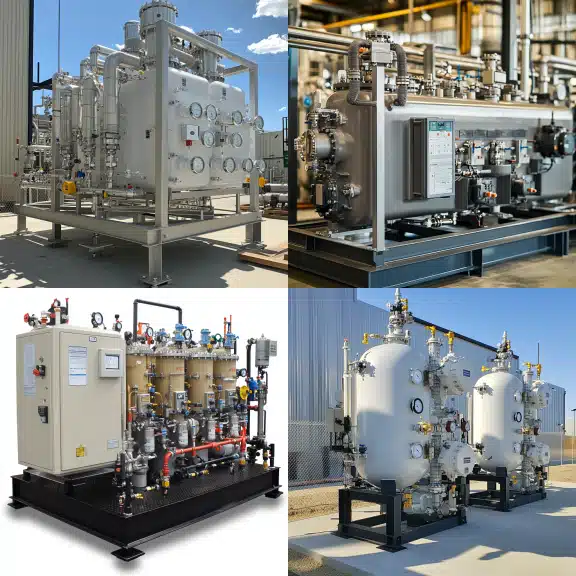
Pressure Relief Systems in Dehydrators are essential for maintaining safe, reliable, and compliant operations. Without proper relief mechanisms, dehydrators face risks such as overpressure, equipment damage, and potential safety hazards. Effective design, inspection, and maintenance help ensure long-term vessel integrity and compliance with Pressure Vessel Safety Standards and Compliance requirements. Red River supports industrial operators with dependable, purpose-built pressure vessel solutions designed for safety, longevity, and operational success.
Understanding Pressure Relief Systems in Dehydrators
When it comes to operating gas dehydration devices, the importance of a well-designed pressure relief system cannot be overstated. At Red River, we understand that your operation’s safety and efficiency rely on more than just the fundamentals—you need robust systems tailored to your unique requirements. That’s why we focus on solutions that meet your specific needs, ensuring that your structures remain secure.
The Role of Pressure Relief Systems in Industrial Dehydrators
Pressure relief systems play a critical role in gas dehydration processes, particularly in industries such as oil, fuel, and power. Specifically, these systems prevent catastrophic failures, equipment damage, or safety risks caused by overpressure conditions. By implementing effective systems, you not only safeguard your equipment but also protect workers and the surrounding environment.
Key Risks of Ignoring Pressure Relief in Gas Dehydration Units
Ignoring or improperly maintaining pressure relief systems can have severe consequences. For instance, without adequate relief, pressure can build up, leading to costly repairs, equipment failure, or hazardous conditions. Moreover, overpressurization can jeopardize entire operations, especially in industries where safety is paramount. Thus, regular maintenance and monitoring are essential.
Design Principles for Pressure Relief Systems in Dehydrators
Effective pressure relief design requires careful consideration of several factors. At Red River, we prioritize structures that improve safety while delivering long-term reliability.
Determining Correct Pressure Setpoints
To avoid overpressure scenarios, setting accurate relief ranges is vital. For this reason, operational factors like pressure levels, environmental conditions, and device fabrications must be evaluated. This approach ensures reliable device performance and consistent protection.
Valve Selection and Sizing for Dehydrator Systems
Choosing the right relief valve and ensuring proper sizing are critical to the system’s effectiveness. In particular, valves must align with gas flow requirements to maintain operational integrity. Additionally, proper valve sizing minimizes strain and reduces malfunctions.
Compliance with Industry Standards and Regulations
Meeting regulatory requirements is crucial to maintaining safety and operational efficiency. For example, adherence to ASME standards ensures that pressure relief systems operate reliably and within compliance parameters.
Best Practices for Maintaining Pressure Relief Systems in Dehydrators
To maintain continuous operations, proactive maintenance routines are essential. At Red River, we emphasize the importance of consistent inspections and timely repairs to keep systems functioning effectively.
Regular Inspection and Maintenance Routines
Routine inspections are vital for detecting potential issues early. For example, periodic evaluations help identify wear and tear, preventing costly downtime. Furthermore, regular cleaning and part replacements improve system longevity and efficiency.
Troubleshooting Common Pressure Relief Issues in Dehydrators
Pressure alleviation systems can stumble upon troubles inclusive of leaks, unsuitable valve operation, or overpressure situations. Regular checks for leaks and monitoring for unusual pressure fluctuations are crucial. If a valve fails to open at the detailed pressure setpoint, it can imply a mechanical fault or wrong calibration. Troubleshooting these problems includes adjusting setpoints, replacing defective components, or carrying out a complete machine assessment. A brief response to these problems enables avoid expensive downtime and guarantees your dehydration unit operates correctly.
Pressure Relief Systems in Dehydrators
Pressure Relief Systems in Dehydrators form an essential layer of protection for industrial operations. Their proper design, maintenance, and compliance with accepted safety practices ensure that dehydrators operate efficiently and safely. With support from trusted partners like Red River, operators gain confidence in the long-term reliability and performance of their pressure vessel systems.
Need a reliable partner?
Red River specializes in the design and manufacturing of pressure vessels. We also fabricate related items such as prefabricated spools and skid packages.
Reach Out to us today and experience the Red River difference. Where American Made and American Values come together, we care more.
Frequently Asked Questions
1. What factors influence the design of Pressure Relief Systems in Dehydrators?
Key factors include operating pressure, gas composition, material construction, and environmental conditions. These elements determine how a relief system responds to pressure fluctuations and how it aligns with regulatory expectations.
2. How often should pressure relief valves in dehydrators be inspected?
Inspection frequency depends on operational demands and exposure conditions. Systems operating in harsh environments or with fluctuating pressures benefit from more frequent evaluations to ensure consistent valve performance.
3. What causes pressure relief system failures in dehydrators?
Failures are often caused by corrosion, improper valve sizing, incorrect setpoints, or material wear. Lack of maintenance or contamination buildup can also impact performance.
4. Can pressure relief valves be reused after activation?
Most valves designed for dehydrators are intended for single-event activation. After activation, their integrity may be affected, so replacement is recommended unless the valve is specifically engineered for multiple cycles.
5. How should operators choose materials for pressure relief valves?
Material selection should match environmental and process conditions. Corrosive settings require corrosion-resistant alloys, while high-temperature environments demand materials that retain strength under thermal stress.
Key Takeaways
- Pressure Relief Systems in Dehydrators are essential for safe operation.
- Proper design, sizing, and setpoint selection reduce safety risks.
- Consistent maintenance extends system lifespan and reliability.
- Regulatory alignment supports operational safety and compliance.
- Red River provides dependable, long-lasting pressure vessel solutions.
Related Blog Post
Pressure Vessel Design & Engineering: Concept to Launch
What is Pressure Vessel Design and Engineering: Code-Ready Guide
What are the Key Factors in Pressure Vessel Engineering
How Do You Design a Pressure Vessel: A Step-By-Step Guide
What is Pressure Vessel Fabrication and Manufacturing
About Author



