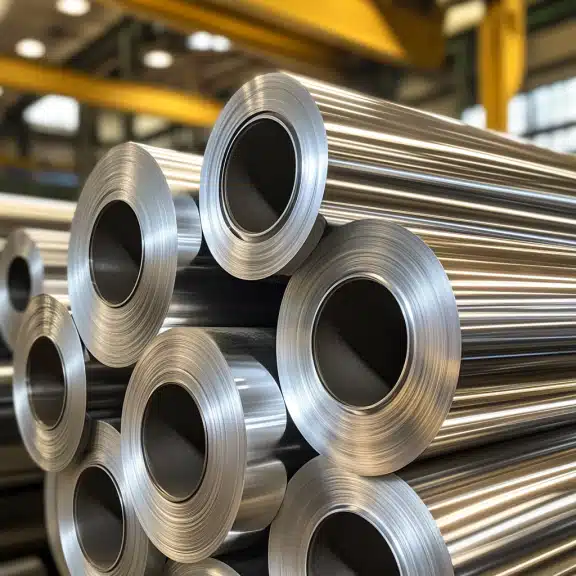
Marine-Grade vs Standard Stainless Steel is an important comparison for anyone choosing materials for demanding environments. Marine-grade stainless steel provides superior corrosion resistance, especially in harsh and moisture-rich conditions. Standard stainless steels offer durability, but they do not match the performance of marine-grade alloys in extreme environments. Understanding the differences helps ensure long-term equipment safety, reliability, and compliance with Pressure Vessel Safety Standards and Compliance guidelines.
Marine-Grade vs Standard Stainless Steel: What You Need to Know
Choosing the right stainless steel for your project is essential especially in marine environments where corrosion resistance is critical. Marine stainless steel stands apart from standard grades due to its unique ability to withstand the harsh, salty conditions found on boats, docks, and coastal structures. If you want to protect your investment and ensure long-lasting performance, understanding the distinction between these two types is a must. In this guide, you’ll learn what sets marine stainless steel apart, why it’s preferred for saltwater exposure, and how to select the best material for your needs. By the end, you’ll have clear answers backed by expert sources, helping you make confident choices for your next project.
What is Marine Stainless Steel?
Marine stainless steel “typically grade 316″ is engineered to resist corrosion from saltwater, humidity, and other aggressive elements commonly encountered near or on the ocean. Its standout feature is the addition of molybdenum, which greatly enhances pitting resistance compared to standard grades like 304. According to Wikipedia’s article on stainless steel, the presence of this element helps marine grades stand up to chloride attack, which can quickly destroy less robust alloys.
Marine stainless steel is used in everything from ship fittings and offshore structures to pressure vessels designed for coastal industries. For a deeper dive into stainless steel’s role in extreme environments, see Understanding the Importance of Stainless Steel in Boiler Construction.
316 vs 304 Stainless Steel: Key Differences
The two most common stainless steels are 304 and 316. While both provide excellent general corrosion resistance, 316 is the industry standard for marine applications. The key differences are:
- Composition:
- 304 contains iron, chromium, and nickel.
- 316 includes additional molybdenum for extra protection against pitting.
- Corrosion Resistance:
- 304 can rust or pit in salty or chlorinated environments.
- 316 withstands saltwater, making it ideal for docks, boats, and coastal equipment.
- Applications:
- 304: General construction, kitchenware, and pressure vessels (see Exploring the Standard Steel for Pressure Vessels).
- 316: Boat railings, marine fasteners, and critical equipment exposed to seawater.
If you want a detailed breakdown of stainless steel grades, visit Understanding the Three Types of Stainless Steel.
Marine Applications & Benefits
Why Choose Marine Stainless Steel?
- Superior Durability:
Grade 316 marine stainless steel lasts longer in harsh, wet, and salty conditions. - Reduced Maintenance:
Its natural passivation layer self-heals minor scratches and protects against corrosion. - Broader Use:
From offshore oil rigs and ship components to high-pressure vessels, its reliability is unmatched (Discovering the Best Materials for Pressure Vessel Construction). - Compliance with Standards:
Meets strict industry requirements, including ASTM and ISO marine standards (ASTM International).
Real-World Examples
Marine stainless steel is found in:
- Boat hardware (cleats, railings, fasteners)
- Dock and harbor infrastructure
- Chemical plants near the sea
- High-pressure vessels requiring maximum durability (Stainless Steel’s Performance Under High Pressure)
Maintenance & Longevity Tips
To maximize the lifespan of marine stainless steel:
- Rinse with fresh water after exposure to salt.
- Inspect regularly for signs of surface contamination or “tea staining.”
- Apply passivation treatments if the material will be heavily exposed.
- Use proper cleaning methods—avoid abrasive pads that damage the protective layer.
For more on selecting and maintaining stainless alloys, read Understanding the Selection of Stainless Steel Groups for Pressure Vessel Applications.
Marine-Grade vs Standard Stainless Steel
Marine-Grade vs Standard Stainless Steel plays a crucial role in selecting the right material for long-term safety, performance, and reliability. Marine-grade stainless steel provides increased protection against corrosion, making it ideal for demanding conditions, while standard stainless steel remains dependable for everyday industrial applications. Understanding their differences helps ensure proper compliance, extended equipment life, and reliable performance across various operating environments.
Partner With Red River for Material Expertise
Need help selecting the best stainless steel for your marine or industrial project? Contact Red River for expert advice or visit our blog on Exploring the Versatility and Advantages of Stainless Steel in Vessel Making to learn more.
Frequently Asked Questions
What is marine stainless steel?
Marine stainless steel, most often grade 316, is an alloy designed to resist corrosion from saltwater and other harsh environments thanks to its higher molybdenum content. See Wikipedia’s corrosion resistance page.
Why is 316 stainless steel preferred for marine use?
316 includes molybdenum, which greatly increases resistance to salt-induced pitting and corrosion—making it ideal for marine hardware and infrastructure.
How do you maintain marine stainless steel?
Rinse regularly with fresh water, clean with non-abrasive materials, and inspect for early signs of corrosion. For more details, review our maintenance tips here.
What are the main uses of marine stainless steel?
Boat railings, fasteners, dock components, coastal construction, and high-pressure marine vessels. Read about pressure vessel materials.
What’s the difference between 304 and 316 stainless steel?
304 is for general use and light corrosion; 316 is enhanced for saltwater. More details in our article here.
How long does marine stainless steel last?
With regular care, marine stainless steel can last decades, even in aggressive conditions.
Are there industry standards for marine stainless steel?
Yes. ASTM and ISO provide strict guidelines for marine-grade materials (ASTM International)
Can marine stainless steel be welded?
Yes, but welding must be done carefully to maintain corrosion resistance.
Key Takeaways
- Marine stainless steel (316) resists saltwater corrosion far better than standard grades.
- Proper grade selection and maintenance maximize the material’s lifespan.
- Ideal for boat hardware, docks, pressure vessels, and coastal construction.
- Routine cleaning and inspection are key for longevity.
- Always check for reputable standards like ASTM when sourcing materials.
- Visit Red River’s knowledge center for more on material selection for pressure vessels.
Related Blog Post
Condensate Tanks: Types, Fabrication, and ASME Code
Which Tests Validate Deaeration in Pressure Systems?
Equalization Tanks: Design, Sizing, and Fabrication
What Are Thermal Storage Testing Standards for TES Vessels?
What Hydro Tests Are Required for Pressure Vessels?
No subpillar set for this blog post.
About Author