
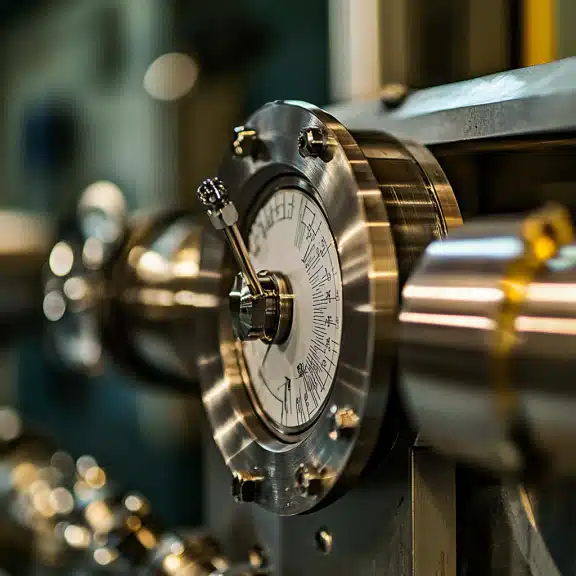
Stainless Steel’s High Pressure Durability is essential for industries that rely on long-lasting, corrosion-resistant materials for safe operation. Stainless steel maintains exceptional structural integrity under extreme conditions, making it a preferred choice for pressure vessels and industrial equipment. Its compatibility with Pressure Vessel Safety Standards and Compliance supports the reliable performance needed for critical applications. Understanding how stainless steel behaves under stress helps operators make informed material-selection decisions that enhance safety and long-term reliability.
Understanding Stainless Steel’s High Pressure Durability
Is stainless steel strong? The short answer is yes. Stainless steel is one of the most popular and widely used materials across industries, valued for its remarkable strength, durability, and resistance to corrosion. When considering stainless steel’s ability to perform under high pressure, it’s important to understand several key factors that influence its strength, corrosion resistance, and overall reliability in extreme conditions.
Factors Affecting Stainless Steel’s Performance Under High Pressure:
Effects on Strength:
- High Temperature: Elevated temperatures can significantly reduce the strength of stainless steel. As temperature increases, the material’s ability to resist pressure decreases, making it crucial to know the material’s temperature limits for specific applications. Understanding is stainless steel strong in high-temperature environments is vital for ensuring its reliability.
- Mechanical Pressure: The tensile and yield strengths of stainless steel allow it to withstand significant pressure. The high tensile strength enables stainless steel to endure extreme loads, ensuring structural integrity. Yield strength further helps by preventing deformation under full-pressure loads, making it reliable for high-pressure applications.
Corrosion Resistance:
Is stainless steel strong in corrosive environments? Stainless steel’s corrosion resistance is largely dictated by its alloy composition and surface treatment. In high-pressure applications, particularly in corrosive environments, localized corrosion phenomena such as pitting can occur, compromising the material’s integrity. To combat this, selecting the appropriate stainless steel grade with enhanced corrosion resistance is crucial.
Types of Stainless Steel:
Different types of stainless steel (e.g., austenitic, martensitic, duplex) offer varying degrees of strength, resistance to corrosion, and other characteristics essential for high-pressure environments. For example, austenitic stainless steel is widely used for its superior corrosion resistance, while martensitic types are known for their strength and hardness.
Why Stainless Steel is Ideal for High-Pressure Applications
Stainless steel is a go-to material for industries such as aerospace, chemical, pharmaceutical, and oil and gas due to its exceptional strength-to-weight ratio, durability, and resistance to environmental factors like corrosion and high temperatures. Its mechanical properties and ability to withstand extreme conditions make it a trusted material for pressure vessels, pipelines, and other high-pressure equipment.
Stainless Steel’s High Pressure Durability
In conclusion, is stainless steel strong? Yes, stainless steel’s exceptional tensile and yield strengths, along with its outstanding corrosion resistance, make it a top choice for high-pressure applications. Whether exposed to extreme temperatures, corrosive environments, or mechanical stress, stainless steel remains a reliable and durable material that meets the most demanding requirements.
Partner With Red River for High-Performance Stainless Steel Solutions
Red River supports industries requiring reliable pressure vessel solutions built with high-performance materials and expert fabrication. Our focus on quality and durable construction helps ensure long-term operational stability. To explore how stainless steel can support your next project, visit https://www.redriver.team/ and discover the Red River difference.
Frequently Asked Questions
1. What Makes Stainless Steel a Strong Choice for High-Pressure Use?
Stainless steel offers inherent strength and corrosion resistance, making it suitable for demanding environments and long-term performance.
2. How Does Stainless Steel Support Pressure Vessel Safety?
Its corrosion resistance and structural reliability support compliance with industry expectations for safe vessel operation.
3. Does Stainless Steel Require Frequent Maintenance?
Stainless steel benefits from routine cleaning and scheduled assessments to maintain long-term structural integrity.
4. What Types of Stainless Steel Are Best for High-Pressure Conditions?
Austenitic, martensitic, and duplex stainless steels provide dependable performance, depending on operational needs.
5. How Does Stainless Steel Perform in High-Temperature Environments?
Some stainless steel types retain structural properties well under temperature variations, supporting reliable operation.
6. Do Stainless Steel Vessels Need Regular Inspection?
Yes, regular inspections support safety, reliability, and long-term operational performance.
7. Can Stainless Steel Resist Chemical Exposure?
Many stainless steel types offer strong chemical resistance, supporting durability in environments with corrosive agents.
8. What Maintenance Practices Support Stainless Steel Longevity?
Cleaning, surface care, and routine evaluations help sustain stainless steel’s long-term strength and protective characteristics.
Key Takeaways
- Stainless Steel’s High Pressure Durability supports safe and long-lasting performance
- Strong mechanical properties enhance structural reliability
- Corrosion resistance helps maintain equipment integrity
- Routine maintenance supports extended operational life
- Stainless steel is ideal for pressure vessels and other high-pressure equipment
Related Blog Post
Can Condensate Storage Improve Reliability?
Where Do Condensate Tanks Fit in a Steam System?
Which Nozzles Simplify Maintenance on Pressure Vessels?
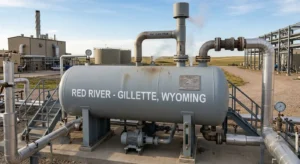
How to Vent Condensate Tanks in Steam Systems
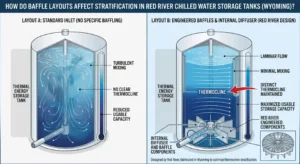
How Do Baffle Layouts Affect Stratification in TES Tanks?
No subpillar set for this blog post.
About Author



