
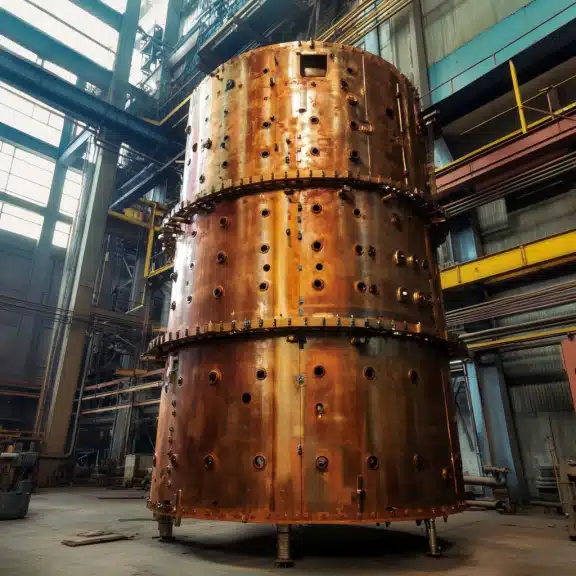
Choosing the Best Materials for Pressure Vessels is essential for ensuring safety, reliability, and efficient long-term operation. Material selection affects corrosion resistance, strength, temperature tolerance, compliance, and cost-effectiveness. By understanding how materials align with Pressure Vessel Safety Standards and Compliance, operators can create stronger and more reliable systems. This guide explores top materials, inspection needs, and how to align your vessel with long-term performance expectations.
Understanding the Best Materials for Pressure Vessels
When constructing pressure vessels, selecting the best materials for pressure vessels is critical to ensuring durability, safety, and efficiency. Steel alloys play a crucial role in pressure vessel manufacturing because of their high strength and durability. Moreover, different metal grades offer varying levels of corrosion resistance and temperature tolerance, making them ideal for several working conditions.
Stainless Steel Options for Different Pressures
Stainless steel stands out for its excellent corrosion resistance, particularly in environments involving corrosive substances or high pressure. In addition, different grades of stainless steel provide enhanced resistance to specific chemical substances and harsh environmental conditions.
Carbon Steel Considerations
Carbon steel is commonly used in pressure vessel fabrication due to its impressive strength and affordability. However, proper corrosion safety measures are essential to prevent degradation in corrosive environments. For instance, applying protective coatings can significantly extend the lifespan of carbon steel vessels.
Aluminum Alloys and Their Suitability
Aluminum alloys are favored for lightweight pressure vessel applications where weight reduction is critical. Furthermore, they deliver accurate corrosion resistance and exceptional thermal conductivity, making them suitable for specific industrial needs. As a result, these alloys are often selected for unique engineering applications.
Exploring the Best Materials for Pressure Vessels
Titanium Alloys for Extreme Conditions
Titanium alloys demonstrate extraordinary power-to-weight ratios and outstanding corrosion resistance, making them optimal for high-pressure and corrosive environments. Consequently, they are often utilized in aerospace, chemical processing, and marine applications.
Nickel-Based Alloys and Their Advantages
Nickel-based alloys offer advanced corrosion resistance and excessive-temperature electricity, making them suitable for harsh operating conditions. As a result, these alloys are widely utilized in petrochemical, oil refining, and nuclear industries.
Composite Materials for Specific Applications
Composite substances, which include fiberglass-strengthened plastics (FRP), provide precise benefits in pressure vessel construction. Specifically, these substances combine excessive strength with corrosion resistance, making them appropriate for specialized programs in chemical processing and water treatment.
Why Material Selection Matters in Pressure Vessel Construction
Strength and Durability Requirements
The fabric ought to possess sufficient strength and durability to withstand internal pressure, external forces, and environmental conditions over the vessel’s lifespan. Thus, proper material selection is key to ensuring long-term performance.
Corrosion Resistance Considerations
Corrosion resistance is crucial, particularly in applications related to corrosive materials or exposure to harsh environments. In fact, proper cloth selection guarantees long-term reliability and prevents corrosion-related failures.
Temperature and Pressure Compatibility
Materials ought to be capable of withstanding the temperature and pressure degrees encountered during operation without experiencing deformation or degradation. Therefore, understanding compatibility is essential for safe and efficient vessel performance.
Cost-Effectiveness Analysis
While ensuring overall performance and safety, cost-effectiveness is likewise an essential consideration in cloth selection. Balancing cloth charges with lengthy-time period upkeep and operational costs is crucial for financial viability.
Best Materials for Pressure Vessels
Selecting the Best Materials for Pressure Vessels ensures long-term performance, safety, and compliance with key industry expectations. The right material improves vessel efficiency, prevents failures, and supports operational reliability. By understanding how materials align with safety standards and inspection needs, operators can create pressure vessels that meet both performance and regulatory requirements.
Need a reliable partner?
Red River specializes in the design and manufacturing of pressure vessels. We also fabricate related items such as prefabricated spools and skid packages.
Reach Out to us today and experience the Red River difference. Where American Made and American Values come together, we care more.
Frequently Asked Questions
1. What factors matter most when choosing materials for a pressure vessel?
Key factors include pressure tolerance, temperature exposure, corrosion resistance, mechanical strength, and long-term cost considerations.
2. How can I determine the right material for my application?
Evaluate environmental conditions, substance compatibility, required strength, and long-term performance expectations. Consulting with experienced engineers can help determine the most suitable material.
3. What differentiates stainless steel, carbon steel, and aluminum alloys?
Stainless steel provides strong corrosion resistance, carbon steel delivers affordability and strength, and aluminum alloys offer lightweight construction suited for specific engineering needs.
4. Are special materials required for extreme pressure or temperature conditions?
Yes. Titanium and nickel-based alloys are commonly used due to their exceptional resistance to extreme heat, pressure, and corrosive environments.
5. How important is quality control in pressure vessel fabrication?
Quality control is crucial. Testing, inspections, and adherence to standards ensure the vessel meets safety expectations and maintains structural reliability.
Key Takeaways
- Choosing the Best Materials for Pressure Vessels enhances long-term safety and reliability.
- Material selection must support durability, corrosion resistance, and temperature stability.
- Stainless steel, carbon steel, aluminum, titanium, and nickel alloys provide unique benefits.
- Composite materials support specialized chemical-processing operations.
- Proper inspection and material compatibility ensure compliance and performance.
Related Blog Post
Pressure Vessel Design & Engineering: Concept to Launch
What is Pressure Vessel Design and Engineering: Code-Ready Guide
What are the Key Factors in Pressure Vessel Engineering
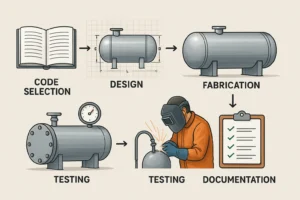
How Do You Design a Pressure Vessel: A Step-By-Step Guide
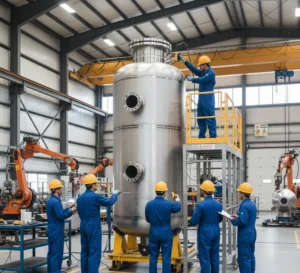
What is Pressure Vessel Fabrication and Manufacturing
No subpillar set for this blog post.
About Author



