What is Glycol?
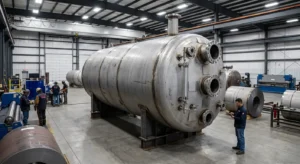
When people ask what is glycol, they are often surprised at how widely it is used. Glycol is an organic compound in the alcohol family that comes in liquid form, is colorless and odorless, and mixes well with water. The two most common types are ethylene glycol and propylene glycol.
Glycol has excellent heat transfer and antifreeze properties. That is why industries such as HVAC, automotive, pharmaceuticals, and food production rely on it. Unlike simple alcohols, glycol contains two hydroxyl groups, giving it stability and versatility.
Types of Glycol
Ethylene glycol is commonly used in antifreeze and industrial processes. It is effective but toxic and must be handled carefully. Propylene glycol, on the other hand, is considered safer and is widely used in food, cosmetics, and pharmaceuticals.
If you want to understand how glycol changes over time, see Glycol Degradation.
Common Uses of Glycol
When you ask what is glycol used for, the list is broad. It prevents freezing and overheating in heating and cooling systems. It acts as antifreeze and coolant in automotive engines. In food and beverages, propylene glycol works as a stabilizer and moisture retainer. Pharmaceuticals and cosmetics use glycol in medicines, creams, and skin products. It is also an important component in plastics, textiles, and other manufacturing processes.
For details on storage and shelf life, visit Can Propylene Glycol Go Bad
Is Glycol Flammable?
Another key question besides what is glycol is whether it burns easily. Glycol is not highly flammable, but it is classified as combustible. Ethylene glycol has a flash point of around 111°C (232°F), while propylene glycol is slightly lower at 103–107°C (217–224°F). This makes it less risky than gasoline or solvents but still in need of careful handling.
Learn more in The Hazards of Glycol.
Safe Handling and Storage of Glycol
Safe practices are crucial when handling glycol. Store it in sealed containers, away from heat and sunlight. Signs of degradation include discoloration, odor changes, or residue. Proper disposal is essential, as outlined in Propylene Glycol Disposal.
Always check material compatibility, as glycol can interact with plastics. For more details, visit Glycol and Plastic Compatibility. Follow approved methods for transport, as detailed in Glycol Transportation.
Why Knowing What is Glycol Matters
Understanding glycol goes beyond its chemical definition. It’s about recognizing its vital role in safety, performance, and compliance across industries, from protecting engines to preserving food and pharmaceuticals. Knowing its types, uses, and risks helps ensure responsible handling, reduced hazards, and better outcomes.
Put Glycol Safety Into Action Today
At Red River, we help industries manage glycol safely and effectively. From system design to safe disposal, our team is ready to support your operations. Contact us today and let us help you create a safer workplace.
Frequently Asked Questions
1. How would you describe glycol in simple terms?
Glycol is a clear, odorless liquid that helps control temperature. It keeps water from freezing or overheating, which is why it’s found in antifreeze, cooling systems, and even in food and cosmetics to keep moisture in.
2. What are the two main types of glycol?
- Ethylene glycol (EG): Toxic if swallowed, commonly used in automotive and industrial applications.
- Propylene glycol (PG): Recognized as safer, often added to foods, pharmaceuticals, and personal care products.
3. Is glycol flammable?
Not highly flammable, but it is combustible. It won’t usually ignite at room temperature, but can burn when exposed to strong heat or open flames.
4. How should glycol be stored?
Seal containers tightly, keep them in a cool, well-ventilated space, and protect from direct sunlight and heat sources. Always store away from sparks or flames.
5. Can glycol go bad?
Yes. Over time, glycol can degrade and lose effectiveness. Signs include changes in color, odor, or thickness. Contamination and long storage accelerate this. See Glycol Shelf Life for guidance.
Key Takeaways
- Asking what is glycol leads to understanding its wide role in industry.
- Ethylene glycol is toxic, while propylene glycol is low in toxicity.
- It is combustible but does not ignite easily at room temperature.
- Proper handling, disposal, and storage are essential.
- Glycol supports industries from automotive to food and pharmaceuticals