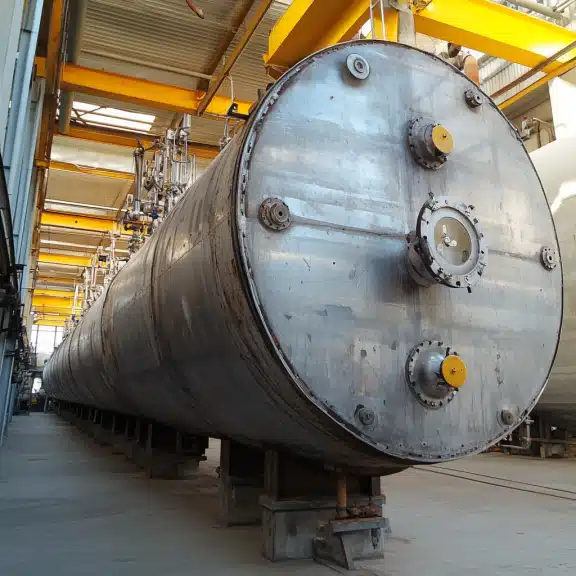
Maximizing fatigue life of pressure vessels is essential for ensuring long-term performance, structural integrity, and operational safety. Fatigue failures occur from repeated cyclic loading, temperature fluctuations, corrosion, and insufficient inspection practices. Incorporating safety standards, proper maintenance, and ASME-compliant design helps slow fatigue progression and extend equipment lifespan. Consistent inspections, stress control, and adherence to Pressure Vessel Safety Standards and Compliance play a major role in preventing premature failures.
What is Maximizing Fatigue Life of Pressure Vessels?
Fatigue failure occurs when a material weakens through the years due to repeated cyclic loading, finally leading to crack initiation and propagation. In pressure vessels, this phenomenon may be multiplied utilizing factors along with fluctuating pressure, temperature versions, and corrosive environments.
Factors Influencing Maximizing Fatigue Life of Pressure Vessels
Several elements influence the fatigue conduct of pressure vessels, which include fabric homes, design concerns, operational conditions, and manufacturing tactics. Identifying and mitigating those elements is vital for enhancing the fatigue resistance of pressure vessels.
Maximizing Fatigue Life of Pressure Vessels: Importance of Fatigue Analysis in Design
Incorporating fatigue analysis throughout the layout section is vital for predicting the fatigue lifestyles of pressure vessels correctly. Advanced modeling techniques and simulation equipment allow engineers to evaluate potential fatigue dangers and optimize vessel designs for toughness and reliability.
Determining and Maximizing Fatigue Life of Pressure Vessels
Methods for Predicting Fatigue Life
Engineers appoint various strategies to expect the fatigue existence of pressure vessels, including pressure lifestyles, pressure lifestyles, and fracture mechanics methods. These techniques involve rigorous trying out, evaluation, and modeling to evaluate fatigue behavior appropriately.
Maximizing Fatigue Life of Pressure Vessels: Factors Affecting Fatigue Life Prediction
Accurately predicting fatigue existence calls for considering elements which include material homes, pressure concentrations, loading frequency, environmental conditions, and operational history. Integrating these elements into fatigue existence prediction models complements reliability and precision.
Factors and Maximizing Fatigue Life of Pressure Vessels
Material Properties and Their Impact
The material choice appreciably impacts the fatigue resistance of pressure vessels. Factors inclusive of tensile power, ductility, durability, and corrosion resistance play an important role in figuring out the vessel’s fatigue overall performance.
Effects of Cyclic Loading on Fatigue
Cyclic loading, characterized by alternating pressure levels, hurries up fatigue damage accumulation in pressure vessels. Understanding the consequences of cyclic loading on material fatigue behavior is critical for designing durable and reliable vessels.
Maximizing Fatigue Life of Pressure Vessels: Environmental Factors Influencing Fatigue
Environmental elements, which include temperature variations, chemical exposure, and corrosive atmospheres, can significantly affect the fatigue existence of pressure vessels. Proper cloth choice, coatings, and corrosion protection measures are important for mitigating those outcomes.
Maximizing Fatigue Life of Pressure Vessels
Maximizing fatigue life of pressure vessels involves a coordinated combination of design strategies, material selection, inspections, and adherence to regulatory standards. Integrating ASME compliance, routine inspections, and proactive maintenance greatly reduces the risk of fatigue failures. When these practices are applied consistently, pressure vessels achieve longer service life, improved reliability, and enhanced operational safety.
Need a reliable partner?
Red River specializes in the design and manufacturing of pressure vessels. We also fabricate related items such as prefabricated spools and skid packages.
Reach Out to us today and experience the Red River difference. Where American Made and American Values come together, we care more.
Frequently Asked Questions
1. What are the typical causes of fatigue failure in pressure vessels?
Fatigue failure typically results from cyclic loading, temperature fluctuations, corrosion, and material imperfections. Over time, these factors initiate microscopic cracks that can grow into structural failures.
2. How do I determine the fatigue life of a pressure vessel?
Fatigue life is estimated using stress-life, strain-life, and fracture mechanics methods supported by simulations and testing. These evaluations determine how a vessel responds to repeated loading.
3. What preventive measures help extend fatigue life?
Preventive measures include regular inspections, monitoring pressure cycles, minimizing thermal shocks, using corrosion-resistant materials, and adhering to ASME design standards.
4. How does compliance with ASME safety codes help reduce fatigue failures?
ASME codes define allowable stress limits, material requirements, and design safety margins. Compliance ensures vessels operate within safe limits, reducing fatigue risks.
5. What is included in an effective inspection program for fatigue management?
An inspection program typically includes visual examinations, weld evaluations, nondestructive testing, corrosion surveys, and monitoring of high-stress locations.
Key Takeaways
- Cyclic loading is the primary driver of fatigue in pressure vessels.
- ASME compliance significantly improves fatigue resistance.
- Regular inspections help identify cracks before they worsen.
- Environmental conditions such as corrosion accelerate fatigue progression.
- Proper material selection and design optimization greatly extend vessel service life.
Related Blog Post
Pressure Vessel Design & Engineering: Concept to Launch
What is Pressure Vessel Design and Engineering: Code-Ready Guide
What are the Key Factors in Pressure Vessel Engineering
How Do You Design a Pressure Vessel: A Step-By-Step Guide
What is Pressure Vessel Fabrication and Manufacturing
No subpillar set for this blog post.
About Author