
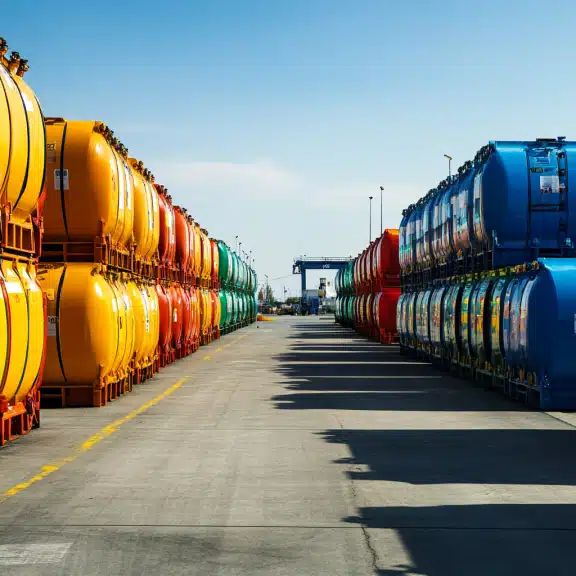
Pressure Vessel Inspection Requirements are essential to ensure safety, reliability, and compliance in industrial operations. Regular inspections prevent failures, extend equipment lifespan, and help organizations comply with regulatory standards. Understanding inspection methods, schedules, and best practices ensures vessels operate efficiently. Following proper procedures reduces risks to personnel, the environment, and equipment.
Comprehensive Guide to Pressure Vessel Inspection Requirements
Pressure containers, commonly known as pressure vessels, are specially designed to hold gases or liquids at pressures significantly higher or lower than the ambient pressure. These vessels are engineered to withstand the internal force exerted by stored substances, ensuring secure containment without leaks or ruptures.
Types of Pressure Containers
Pressure containers come in various forms, each tailored to specific needs and operating conditions. Some common types include:
- Cylindrical Tanks: These are ideal for storing gases or liquids in cylindrical-shaped vessels, providing a straightforward and efficient design.
- Spheres: Frequently used for high-pressure applications, these containers deliver enhanced strength due to their shape.
- Boilers: Boilers generate steam for a wide range of industrial processes, such as power generation or heating systems.
- Heat Exchangers: Designed to transfer heat between fluids, these devices often operate under pressure.
Common Applications of Pressure Containers
Pressure containers play a crucial role in many industries because of their versatility and durability. Key applications include:
- Oil and Gas Industry: Pressure vessels store and transport crude oil, natural gas, and other essential materials.
- Chemical Processing: These containers facilitate chemical reactions, storage, and transport for various industrial chemicals.
- Power Generation: Boilers and steam generators form an integral part of energy plants, producing electricity efficiently.
- Manufacturing: Pressure vessels are essential for fabric processing, heat treatment, and sterilization processes.
- Food and Beverage Industry: These containers are used for pasteurization, packaging, and other food processing needs.
Understanding the diverse types and applications of pressure containers highlights their importance in maintaining safety and efficiency across industries.
Importance of Inspection
Ensuring Safety Compliance
Safety remains a top priority in industries relying on pressure containers. Regular inspections ensure that vessels meet protection standards, reducing the risk of accidents, injuries, and environmental hazards.
Preventing Catastrophic Failures
Neglecting maintenance can result in catastrophic failures, including explosions, fires, or hazardous material releases. Inspections help identify capacity issues early, allowing for timely repairs or replacements to avoid costly downtime and accidents.
Extending Equipment Lifespan
Routine inspections play a vital role in extending the lifespan of pressure containers. By addressing issues like corrosion, fatigue, or degradation at an early stage, inspections allow for proactive measures to maintain integrity and functionality.
Pressure Vessel Inspection Requirements
Adhering to proper Pressure Vessel Inspection Requirements ensures the safe, efficient, and reliable operation of industrial vessels. By following regulatory standards, employing qualified inspectors, and implementing Pressure Vessel Inspection and Maintenance practices, organizations can prevent accidents, reduce downtime, and extend equipment life. Regular inspections aligned with Pressure Vessel Safety Standards and Compliance are vital for long-term operational success.
Need a reliable partner?
Red River specializes in the design and manufacturing of pressure vessels. We also fabricate related items such as prefabricated spools and skid packages.
Reach Out to us today and experience the Red River difference. Where American Made and American Values come together, we care more.
Frequently Asked Questions
- What are the consequences of neglecting pressure vessel inspection?
Neglecting inspections can lead to severe consequences, including leaks, ruptures, regulatory violations, and safety risks to personnel and equipment. - How often should pressure vessels be inspected?
Inspection frequency depends on vessel type, operating conditions, and regulatory requirements. Regular inspections detect corrosion, fatigue, and structural degradation early. - What are the different types of pressure vessel inspections?
Inspections include visual examinations, non-destructive testing (NDT), and pressure tests. NDT methods like ultrasonic testing and radiography detect internal defects without harming the vessel. - Can pressure vessel inspections be outsourced to third-party providers?
Yes, licensed third-party inspectors provide specialized expertise, advanced equipment, and ensure regulatory compliance while performing thorough inspections. - How can I ensure compliance with international pressure vessel standards?
Compliance requires following guidelines like the ASME Boiler and Pressure Vessel Code. Employing qualified engineers and inspectors familiar with these standards ensures safety and adherence to regulations.
Key Takeaways
- Pressure Vessel Inspection Requirements ensure safety, reliability, and regulatory compliance.
- Regular Pressure Vessel Inspection and Maintenance prevents failures and extends equipment lifespan.
- Following Pressure Vessel Safety Standards and Compliance reduces risks to personnel and equipment.
- Proper inspection techniques include visual, non-destructive, and pressure testing methods.
- Employing qualified personnel and adhering to standards ensures long-term operational success.
Related Blog Post
Pressure Vessel Design & Engineering: Concept to Launch
What is Pressure Vessel Design and Engineering: Code-Ready Guide
What are the Key Factors in Pressure Vessel Engineering
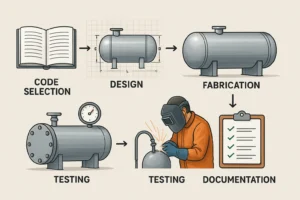
How Do You Design a Pressure Vessel: A Step-By-Step Guide
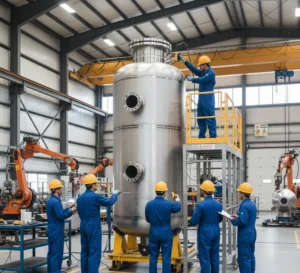
What is Pressure Vessel Fabrication and Manufacturing
No subpillar set for this blog post.
About Author



