
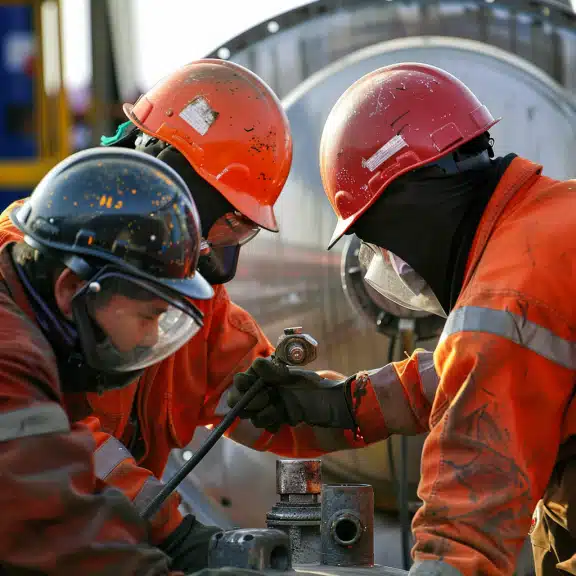
Understanding pressure vessel risks and safety is essential for industries that rely on these critical components. Potential hazards include overpressure, corrosion, temperature extremes, and mechanical fatigue, which can lead to catastrophic failures if not properly managed. Regular pressure vessel inspection and maintenance, adherence to pressure vessel safety standards and compliance, and knowledge of what are the safety standards for pressure vessels are key to preventing accidents. Incorporating modern monitoring technologies enhances operational safety and efficiency. Partnering with Red River ensures high-quality vessels built with precision, reliability, and durability.
Understanding Hazards and Safety Measures in Pressure Vessels
Pressure vessels are more than just equipment; they may be the backbone of industries like Oil and Gas, Power Generation, and Bio Gas. At Red River, we understand their critical role and agree with your vicinity in us to supply secure, dependable solutions.
The Importance of Recognizing Pressure Vessel Hazards
Identifying the hazards associated with pressure vessels is not only a regulatory requirement; it is a commitment to protection and excellence. We trust in a proactive method to protect issues in pressure vessel operations, ensuring peace of thought for our clients.
Types of Pressure Vessels
Common Pressure Vessel Designs
Our portfolio showcases several pressure vessel designs, every tailored to fulfill the specific needs of different industries. Whether it’s for industrial works or mineral extraction, we’ve given you included.
Industries Reliant on Pressure Vessels
From the bustling oil fields to the dynamic global energy technology, pressure vessels play a pivotal function. At Red River, we’re proud to be a part of the journey, assisting industries that fuel our society.
Key Risks Associated with Pressure Vessels
Overpressure Scenarios and Consequences
Understanding the risks concerned with the usage of pressure vessels, specifically in overpressure eventualities, is critical. Our crew is adept at navigating those challenges, ensuring your operations run easily and thoroughly.
Corrosion-Related Risks in Pressure Vessels
Corrosion may be a silent danger to pressure vessels. That’s why we emphasize corrosion control and use materials that resist the test of time and nature.
Temperature Extremes and Their Impact
Temperature fluctuations pose sizable risks to pressure vessels. Our designs thing in these extremes, ensuring sturdiness and protection in all situations.
Pressure Vessel Risks and Safety
Pressure vessel risks and safety require constant attention and proactive management. Understanding the hazards of overpressure, corrosion, temperature extremes, and fatigue enables industries to implement preventive measures that protect personnel and equipment. Regular pressure vessel inspection and maintenance, adherence to the ASME code for pressure vessel safety, and use of modern monitoring technologies enhance both safety and efficiency. Partnering with Red River ensures high-quality vessels designed to meet rigorous safety standards, extend operational lifespan, and deliver reliable performance in demanding industrial environments.
Need a reliable partner?
Red River specializes in the design and manufacturing of pressure vessels. We also fabricate related items such as prefabricated spools and skid packages.
Reach Out to us today and experience the Red River difference. Where American Made and American Values come together, we care more.
Frequently Asked Questions
- What are the most common causes of pressure vessel failures?
Pressure vessel failures often result from overpressure, corrosion, mechanical fatigue, and thermal stress. Inadequate pressure vessel inspection and maintenance can exacerbate these issues. - How can corrosion risks in pressure vessels be minimized?
- Choose corrosion-resistant materials appropriate for the operating environment.
- Apply protective coatings and linings.
- Conduct regular inspections using a comprehensive pressure vessel inspection checklist.
- Utilize corrosion inhibitors where applicable.
- What role does temperature play in pressure vessel safety?
Extreme temperatures can affect material properties, causing brittleness or reduced strength. Thermal stress may also develop due to temperature gradients, making proper design and monitoring critical. - How often should pressure vessels be inspected?
Inspection frequency depends on vessel type, operating conditions, and regulations. Routine inspections generally occur annually, but high-risk vessels may require more frequent checks. - What does a typical pressure vessel inspection entail?
Inspections include:
- Visual examination for wear, corrosion, or damage
- Checking safety devices
- Nondestructive testing (ultrasonic, radiography, or magnetic particle)
- Verification of operational parameters
- How do pressure vessels comply with safety regulations?
By following the ASME code for pressure vessel safety, conducting regular inspections, and adhering to pressure vessel safety standards and compliance, vessels meet required legal and safety standards. - Can modern monitoring technologies improve pressure vessel safety?
Yes. IoT sensors and smart monitoring systems provide real-time data on pressure, temperature, and other parameters, enabling predictive maintenance and reducing failure risk. - What materials are best for ensuring pressure vessel durability?
High-strength alloys and corrosion-resistant metals extend lifespan, prevent fatigue, and ensure safe operation under varying pressures and temperatures. - Are older vessels suitable for upgrades?
Yes. Older vessels can be retrofitted with improved coatings, insulation, or monitoring systems to meet current safety standards and extend operational life.
Key Takeaways
- Pressure vessels are essential for safe and efficient industrial operations.
- Risks include overpressure, corrosion, temperature extremes, and fatigue.
- Regular pressure vessel inspection and maintenance prevent failures and extend lifespan.
- Compliance with the ASME code for pressure vessel safety is critical.
- Modern monitoring and predictive maintenance enhance safety and efficiency.
Related Blog Post
Pressure Vessel Design & Engineering: Concept to Launch
What is Pressure Vessel Design and Engineering: Code-Ready Guide
What are the Key Factors in Pressure Vessel Engineering
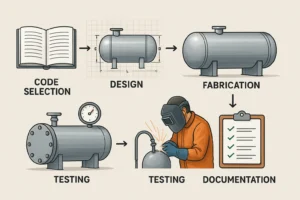
How Do You Design a Pressure Vessel: A Step-By-Step Guide
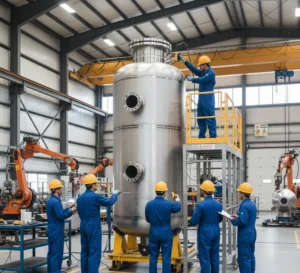
What is Pressure Vessel Fabrication and Manufacturing
No subpillar set for this blog post.
About Author



