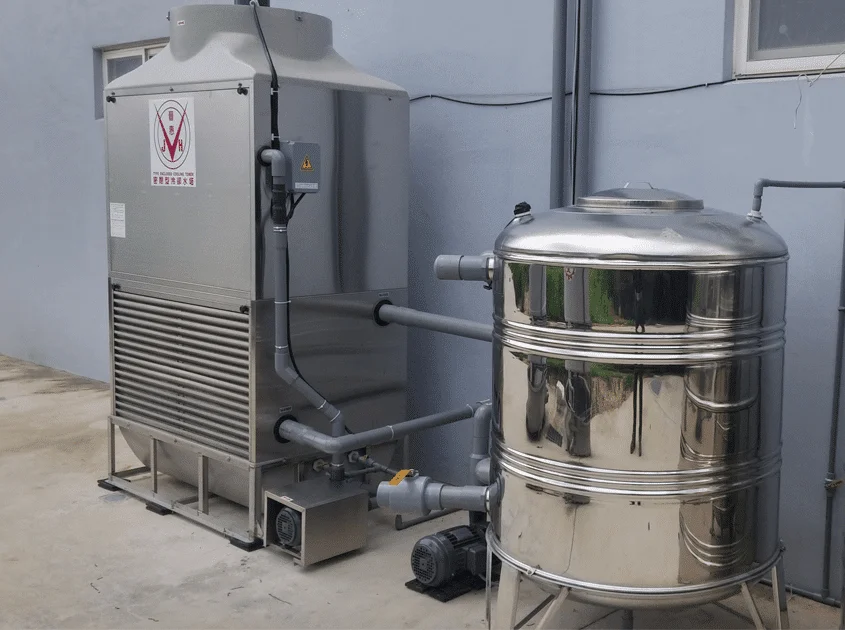
Glycol transportation involves safely moving glycol through pipelines, trucks, rail, or maritime systems while preserving its purity and performance. Proper handling, regulatory compliance, and strong safety protocols ensure environmental protection and reliable delivery across industries.
Introduction to Glycol Transportation
What is Glycol?
Glycol, a versatile chemical compound, is utilized in several industries for applications such as antifreeze, de-icing, and heat transfer fluids. Therefore, it plays a crucial role in maintaining the operational efficiency of equipment and structures, particularly in harsh environments.
Importance of Proper Glycol Handling
Proper handling of glycol is essential to ensure its effectiveness and safety. For instance, improper management can lead to contamination, reduced performance, or even hazardous situations. At Red River, we emphasize the importance of proper glycol management and offer comprehensive solutions to guarantee reliable and environmentally friendly transportation.
Methods of Glycol Transportation
Transporting glycol requires meticulous planning and the right equipment to maintain its integrity. Thus, understanding the primary techniques of glycol transportation is crucial:
Pipeline Transport
Pipeline delivery is a cost-effective and reliable method for transporting large volumes of glycol over long distances. Moreover, it ensures a continuous and controlled flow, which minimizes the risk of leaks and spills.
Truck Transport
On the other hand, truck delivery offers flexibility for transporting glycol to remote or hard-to-reach locations. Specialized tankers are used to guarantee steady and consistent delivery while adhering to strict safety standards.
Rail Transport
Rail transport is particularly beneficial for bulk deliveries. For instance, rail tankers provide a stable and durable option for long-distance transport while minimizing environmental impact. This method ensures the safe delivery of glycol, even in challenging conditions.
Maritime Transport
For international shipping, maritime transport is often the preferred technique. Glycol is shipped in bulk containers or ISO tank bins, ensuring secure passage across seas while maintaining the product’s integrity.
Safety Considerations for Glycol Transport
When it comes to handling glycol, safety is paramount. For example, using the proper tools and following best practices can prevent spills, leaks, and contamination. At Red River, our team is trained to handle glycol efficiently, ensuring the safety of both people and the environment.
Handling Glycol Safely
Safe dealing with glycol consists of using the proper tool and following excellent practices to prevent spills, leaks, and infection. Our group is trained to address glycol successfully, making sure the safety of both humans and the environment.
Regulatory Compliance
Compliance with industry standards and regulations is equally important. Therefore, we adhere to all relevant requirements to ensure our transportation methods meet or exceed legal expectations.
Emergency Response Procedures
In emergencies, having effective response procedures is critical. For instance, our team is prepared to act swiftly to minimize risks and ensure a quick and efficient resolution.
Need a reliable partner?
Red River specializes in the design and manufacturing of pressure vessels. We also fabricate related items such as prefabricated spools and skid packages.
Reach Out to us today and experience the Red River difference. Where American Made and American Values come together, we care more.
Frequently Asked Questions
1. What are the most unusual uses of glycol in various industries?
Glycol is broadly used as an antifreeze in car and industrial applications, a de-icing agent for aircraft and runways, and a coolant in HVAC systems. It’s extensively utilized within the herbal fuel enterprise for dehydration and in the production of polymers. Each use requires specific coping with and delivery issues to hold its houses.
2. How do you ensure the purity of glycol all through transportation?
Maintaining glycol purity all through transportation entails the use of easy, dedicated containers and pipelines. All systems must be thoroughly wiped clean and inspected before use to save you from contamination. Additionally, sealed systems and regular pleasant assessments assist make sure that the glycol stays uncontaminated throughout the shipping procedure.
3. What are the environmental dangers related to transporting glycol?
The foremost environmental dangers encompass spills and leaks, that could contaminate soil and water assets. Glycol may be dangerous to aquatic life and ecosystems if not dealt with properly. To mitigate these risks, it is critical to use secure bins, have spill containment measures in place, and comply with all regulatory recommendations for safe transportation.
4. What steps are taken in case of a glycol spill during transportation?
In the occasion of a glycol spill, instantaneous steps encompass containing the spill to prevent it from spreading, notifying suitable environmental agencies, and starting cleanup processes. Cleanup typically includes using absorbent materials and specialized devices to take away the glycol and infected soil or water. Proper disposal of contaminated substances is critical to minimize environmental impact.
5. Can glycol be transported with other chemical compounds?
Transporting glycol with different chemicals requires cautious planning to avoid reactions that would compromise safety. Glycol needs to no longer be transported with reactive chemical substances that could cause hazardous situations. It’s critical to apply dedicated containers and follow compatibility pointers to ensure secure delivery.
Key Takeaways
- Glycol must be transported using clean, dedicated equipment to maintain product integrity and avoid contamination.
- Multiple transport methods pipeline, truck, rail, and maritime are used depending on distance, volume, and location requirements.
- Strict safety practices and adherence to industry regulations help prevent spills, leaks, and environmental risks.
- Emergency response procedures are essential to quickly contain and resolve any glycol-related incidents during transport.
Related Blog Post

Pressure Vessel Design & Engineering: Concept to Launch

What is Pressure Vessel Design and Engineering: Code-Ready Guide

What are the Key Factors in Pressure Vessel Engineering
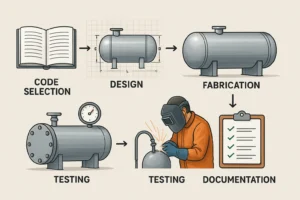
How Do You Design a Pressure Vessel: A Step-By-Step Guide
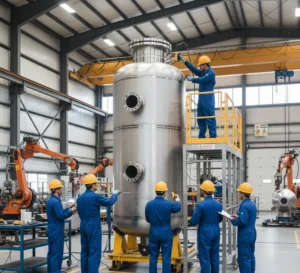
What is Pressure Vessel Fabrication and Manufacturing
About Author