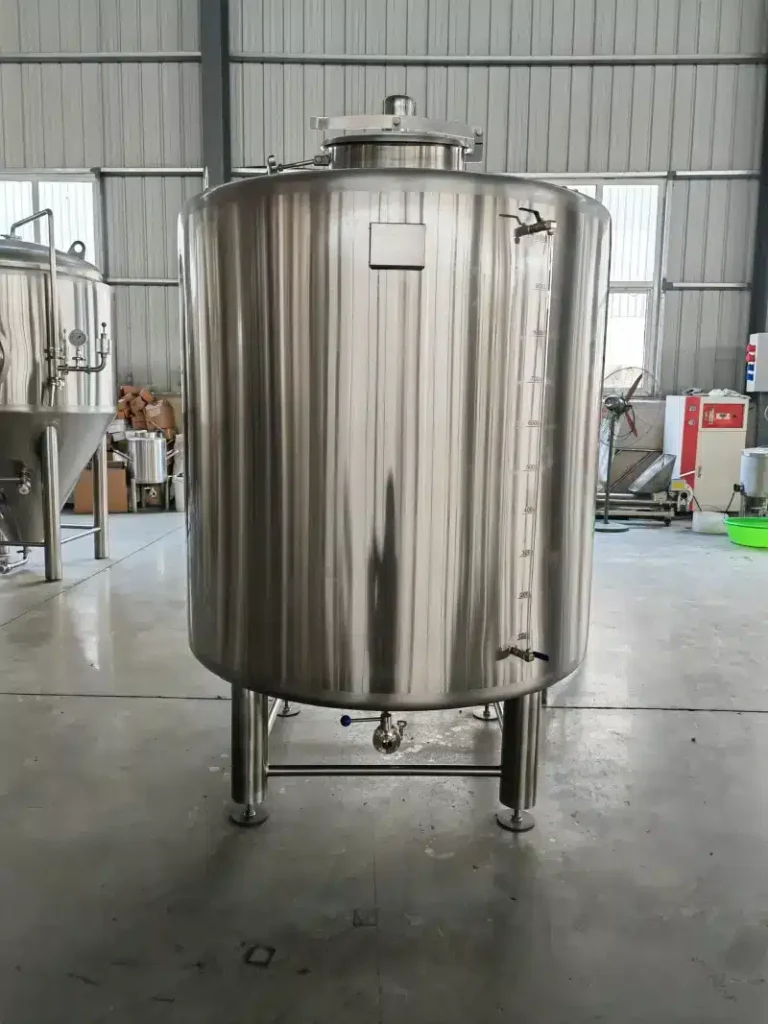
Glycol degradation occurs when heat, contaminants, and chemical reactions break down glycol, reducing its ability to protect and cool industrial systems. Proper glycol maintenance including testing, filtration, and timely replacement is essential to prevent corrosion, equipment damage, and costly downtime.
Introduction to Glycol Degradation and Maintenance
What is Glycol?
Glycol degradation is a critical challenge in many industrial systems, and effective glycol maintenance is essential for preventing costly downtime. Glycol, a versatile chemical compound, plays a critical position in various business programs. It’s a form of alcohol with hydroxyl businesses, making it distinctly powerful as a coolant and antifreeze agent. At Red River LLC, we understand the importance of glycol in maintaining the most reliable performance in pressure vessels and other structures.
Common Applications of Glycol
Glycol’s packages are considerable, starting from cooling structures in electricity technology flora to warmness transfer fluids in oil and gasoline operations. Its ability to decrease the freezing factor of water makes it crucial in stopping system freeze-America and making sure easy operations across exclusive sectors, which include biogas, minerals/elements, and business/public works.
Importance of Glycol in Industrial Applications
In commercial settings, glycol serves as a lifeline, ensuring the performance and toughness of equipment. By stabilizing temperatures and stopping corrosion, glycol preserves the integrity of pressure vessels and other essential additives. At Red River LLC, we prioritize the pleasant and overall performance of glycol to help our customers’ wishes.
The Chemistry of Glycol Degradation and Maintenance
Glycol Composition and Structure
Glycol’s chemical structure includes two hydroxyl agencies (-OH) connected to a carbon chain, which offers it unique houses. This composition allows glycol to combine nicely with water and different solvents, improving its effectiveness as a coolant and antifreeze.
Types of Glycol: Ethylene and Propylene
There are two main varieties of glycol: ethylene glycol and propylene glycol. Ethylene glycol is broadly used in commercial programs due to its superior warmness switch abilities, whilst propylene glycol is desired in meals and pharmaceutical industries for its decreased toxicity.
How Glycol Functions in Systems
In stress vessels and different systems, glycol functions by moving heat and stopping the formation of ice. This guarantees that the device operates effectively, even in intense temperatures. Understanding the position of glycol helps in deciding on the right type for unique packages.
Does Glycol Degrade Over Time?
Factors That Affect Glycol Degradation and Maintenance
Yes, glycol can degrade through the years. Several elements contribute to this technique, consisting of publicity to high temperatures, contaminants, and extended use. Understanding these elements is crucial in coping with glycol’s lifespan and ensuring device reliability.
Additional factors include improper pH balance, depletion of oxidation inhibitors, and poor glycol testing frequency. Using heat transfer fluid additives and following a glycol maintenance schedule can significantly extend service life.
You can also review our detailed guide on glycol replacement frequency to optimize your maintenance planning.
Environmental Influences on Glycol Stability
Environmental situations play a large function in glycol stability. Exposure to intense temperatures, both hot and cold, can boost glycol degradation. Additionally, contaminants consisting of dirt and metallic debris can catalyze chemical reactions that ruin down glycol. Related resource: Read our guide on preventing glycol contamination and safe storage practices for step-by-step filtration and inspection methods.
Chemical Reactions Leading to Glycol Breakdown
Over time, glycol undergoes chemical reactions that cause its breakdown. Oxidation, hydrolysis, and thermal decomposition are not unusual reactions that reduce glycol’s effectiveness. These reactions result in the formation of acids, that could corrode gadgets and compromise device integrity.
Glycol Maintenance Checklist:
- Test pH level every 6–12 months.
- Check for inhibitors and replenish if depleted.
- Filter out particulates and sludge.
- Replace glycol every 3–5 years or per lab test results.
Glycol Lifespan Table:
| Glycol Type | Normal Conditions | High-Temp Conditions | Poor Maintenance |
| Ethylene Glycol | 5+ years | 2–3 years | < 2 years |
| Propylene Glycol | 4–5 years | 2 years | < 2 years |
Need a reliable partner?
Red River specializes in the design and manufacturing of pressure vessels. We also fabricate related items such as prefabricated spools and skid packages.
Reach Out to us today and experience the Red River difference. Where American Made and American Values come together, we care more.
Frequently Asked Questions
1. How often should glycol be replaced in industrial systems?
The frequency of glycol replacement depends on various factors, including the type of glycol used, the operating conditions, and the system’s maintenance schedule. Generally, it’s a good practice to test glycol annually and replace it every 3-5 years, or as indicated by the test results. For more details, check our glycol replacement best practices.
2. What are the signs that glycol needs to be replaced?
Signs that glycol needs to be replaced include:
- Noticeable color change (e.g., from clear to dark brown)
- Presence of particulates or sludge
- Strong odor
- Decrease in pH level
These changes indicate that the glycol has degraded and may no longer effectively protect the system.
3. How does glycol contamination occur, and how can it be prevented?
Glycol contamination can occur due to leaks, the introduction of foreign substances, or inadequate maintenance. Preventing contamination involves regular system inspections, using high-quality glycol, and implementing proper filtration systems. Additionally, promptly addressing any leaks or system breaches is crucial. Learn more in our full guide to preventing contamination.
4. Can degraded glycol cause damage to equipment?
Yes, degraded glycol can cause significant damage to equipment. As glycol breaks down, it forms acids and other corrosive substances that can lead to pitting, scaling, and corrosion of metal components. This can reduce the efficiency of heat transfer, cause leaks, and ultimately result in system failure.
5. What is the best way to dispose of used glycol?
Disposing of used glycol should be done by local environmental regulations. It’s important to avoid pouring glycol down the drain or into the environment. Instead, contact a licensed waste disposal service that can properly handle and recycle or dispose of the glycol safely. See our safe glycol disposal guide for eco-friendly practices.
6. What is glycol passivation and why is it important?
Glycol passivation is the process of treating a system with glycol and corrosion inhibitors before full operation. This forms a protective layer on metal surfaces, reducing corrosion risk and extending the life of the system.
7. How can glycol quality be tested?
Testing involves pH measurement, refractometer readings for concentration, and inhibitor level checks. A lab glycol analysis can confirm whether the fluid still meets manufacturer specifications.
Key Takeaways
- Glycol degrades due to heat, oxidation, contaminants, and improper maintenance, leading to system corrosion and reduced efficiency.
- Regular pH testing, inhibitor checks, filtration, and scheduled replacement extend glycol lifespan and protect equipment.
- Environmental factors like extreme temperatures and dirt accelerate chemical breakdown and instability.
- Choosing the right type of glycol and following a strict maintenance plan ensures reliable heat transfer and long-term system performance.
Related Blog Post
Which Materials Suit Make-Up Water Service?
How Big Should Make-Up Water Tanks Be?
Make-Up Water Tanks: Design, Sizing, and Fabrication
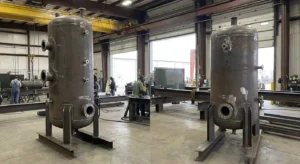
When to Spec Equalization Tanks for Industrial Systems
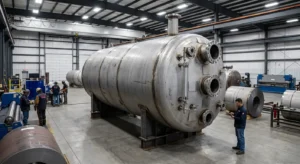
How Do Equalization Tanks Balance Flow?
About Author