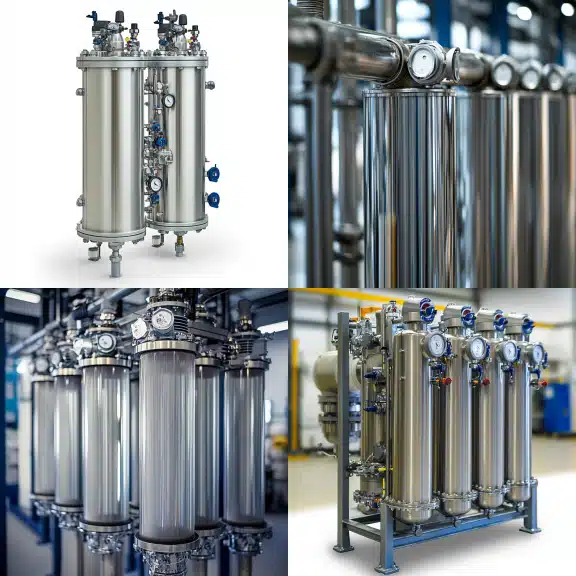
Coalescer Filters in Industrial Applications
Coalescer Filters in Industrial Applications are essential for separating liquids and removing contaminants from gas or fuel streams. They merge small droplets into larger ones for more effective filtration, improving operational efficiency and reducing maintenance. Industries such as oil and gas, chemical processing, and energy rely on coalescer filters to ensure system reliability and product quality. At Red River, we provide tailored solutions to optimize industrial filtration performance.
Coalescer Filters in Industrial Applications
A Coalescer Filters in Industrial Applications is essential in various commercial operations, designed to split liquids and remove contaminants from fuel streams. Its primary function is to merge small droplets into larger ones, enabling more effective separation. This process improves gas stream quality, making coalescer filters vital in industries such as oil and gas, energy, and chemical processing.
Coalescer filters play a critical role in improving filtration systems. By stopping contaminants before they pass into delicate systems, they enhance operations and ensure smooth performance. At Red River, we prioritize creating filtration solutions tailored to meet precise business needs.
Key Components of a Coalescer Filter
To fully understand how coalescer filters work, it’s important to know their essential components. These parts work together to separate liquids from fuel streams:
- Filter Media: The heart of the coalescer, this layer captures small liquid droplets and merges them into larger ones. Its effectiveness depends heavily on the quality of the filter media.
- Housing: This encases the filter media and directs fluid, ensuring durability under pressure and extreme temperatures.
- Drainage Layer: After separation, this layer collects liquids and channels them to designated areas, preventing contamination from re-entering the gas stream.
Each component is carefully designed and manufactured to ensure superior performance. At Red River, we apply in-depth expertise to deliver custom solutions that meet diverse industry demands.
The Working Principle of Coalescer Filters
How Does a Coalescer Filter Separate Particles?
Coalescer filters use a step-by-step method to remove liquid debris from fuel. The process begins as fuel passes through the filter media, where small droplets are captured and merged into larger clusters. These clusters then circulate through a drainage layer, which collects and removes them from the gas stream.
This process prevents contaminants from entering sensitive devices, improving operational integrity and reducing wear. By optimizing this separation, coalescer filters ensure long-lasting performance and enhanced system efficiency.
Applications of Coalescer Filters in Industry
Coalescer filters are critical for industries such as oil and gas, where separation of water and hydrocarbons is necessary. They also benefit processes like removing moisture from fuels to meet quality standards or filtering contaminants in refining. At Red River, we design filters that suit specific applications, ensuring consistent and efficient results.
Benefits of Using a Coalescer Filter
Efficiency and Performance Advantages
Coalescer filters deliver exceptional performance and efficiency in industrial operations. By separating liquid contaminants from gas streams, these filters enhance overall system functionality. As fuel flows through the coalescer, the filter media captures and merges small droplets, preventing contaminants from passing through and damaging sensitive components. This process ensures a cleaner output, reduces maintenance needs, and extends equipment lifespan.
In industries where cleanliness and reliability are critical, coalescer filters play a vital role in protecting operational systems while ensuring product purity.
Long-Term Cost Savings and Maintenance
Investing in coalescer filters can yield significant long-term financial savings. These filters minimize maintenance frequency by preventing clogs and ensuring smoother operations. With reduced wear and tear on machinery, the need for frequent filter replacements diminishes.
To maximize a filter’s lifespan, proper maintenance is essential. This includes routine inspections, filter media replacements, and ensuring optimal flow rates. At Red River, we design coalescer filters to offer cost-effective solutions, helping businesses achieve both operational reliability and reduced expenses over time.
Choosing the Right Coalescer Filter for Your Needs
Factors to Consider
Selecting the right coalescer filter ensures optimal performance and equipment protection. When choosing a filter, consider key factors such as:
- Type of Contaminants: Understand whether the contaminants are liquid or gas-based.
- Operating Conditions: Evaluate pressure, temperature, and flow rates in your application.
- Filter Compatibility: Ensure the filter suits your existing system and environmental needs.
Additionally, the filter’s ease of maintenance is critical. Opting for a design with replaceable parts and minimal downtime requirements can significantly reduce operating costs and improve efficiency.
Coalescer Filters in Industrial Applications
Coalescer Filters in Industrial Applications are vital for protecting equipment, improving system efficiency, and ensuring consistent product quality. By effectively separating liquid contaminants, they extend the lifespan of equipment, reduce maintenance costs, and optimize operational performance. Red River provides tailored coalescer solutions designed to meet the unique demands of industrial applications, delivering reliable and long-lasting results.
Need a reliable partner?
Red River specializes in the design and manufacturing of pressure vessels. We also fabricate related items such as prefabricated spools and skid packages.
Reach Out to us today and experience the Red River difference. Where American Made and American Values come together, we care more.
Frequently Asked Questions About Coalescer Filters in Industrial Applications
1. What types of contaminants can coalescer filters remove from gas streams?
Coalescer filters remove liquid contaminants such as water, oil, and hydrocarbons. They can also capture some solid particles, though their primary function is liquid separation. Removing these contaminants protects downstream equipment and ensures smooth industrial operations.
2. How often should coalescer filters be replaced or maintained?
Replacement frequency depends on contamination levels, operating conditions, and filter type. Filters should be monitored for pressure drops, flow reduction, or clogging. Regular inspections and maintenance extend lifespan and prevent system failures.
3. Can coalescer filters be used for both liquid-liquid and gas-liquid separation?
Yes.
- Liquid-Liquid Coalescers: Separate liquids like oil and water in refining and chemical processes.
- Gas-Liquid Coalescers: Remove droplets from gas streams in fuel and gas applications.
Choosing the correct filter depends on separation type and fluid composition.
4. What are the signs a coalescer filter is not functioning properly?
Signs include:
- Increased pressure drop
- Visible contaminants in the output
- Reduced separation efficiency
- Clogging or buildup in the filter media
These indicate the need for immediate maintenance or replacement.
5. How do coalescer filters contribute to environmental safety?
By removing contaminants before disposal, coalescer filters reduce environmental impact. For example, they separate water from crude oil, ensuring cleaner outputs and supporting regulatory compliance.
6. What factors should be considered when selecting a coalescer filter?
Consider:
- Type and size of contaminants
- Operating pressure and temperature
- Flow rate and fluid composition
- Material compatibility and maintenance needs
Proper evaluation ensures efficiency, durability, and cost-effectiveness.
7. How does maintenance affect coalescer performance?
Routine maintenance prevents clogging and inefficiencies. Cleaning, media replacement, and monitoring flow and pressure maintain optimal operation, extend filter life, and reduce unexpected downtime.
Key Takeaways
- Coalescer filters separate liquids and contaminants from gas streams, improving system efficiency.
- Two main types: Liquid-Liquid Coalescers and Gas-Liquid Coalescers.
- They protect equipment, reduce maintenance, and extend operational lifespan.
- Proper selection considers contaminants, operating conditions, and material compatibility.
- Routine maintenance is critical for reliable performance and cost savings.
- Coalescer filters support environmental safety and regulatory compliance.
Related Blog Post
Pressure Vessel Design & Engineering: Concept to Launch
What is Pressure Vessel Design and Engineering: Code-Ready Guide
What are the Key Factors in Pressure Vessel Engineering
How Do You Design a Pressure Vessel: A Step-By-Step Guide
What is Pressure Vessel Fabrication and Manufacturing
No related articles found.
About Author