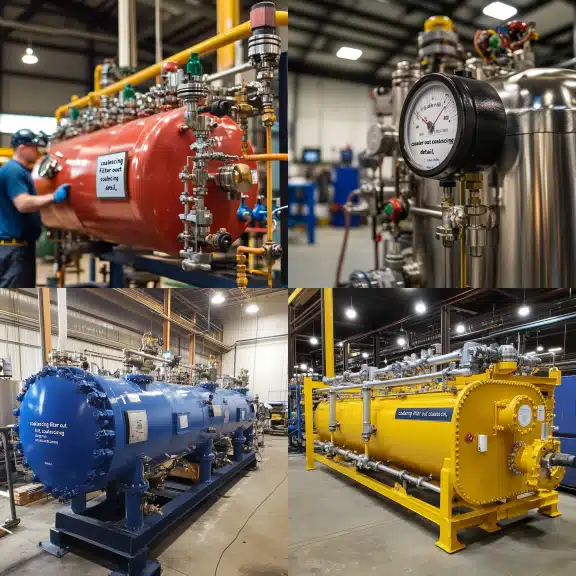
Coalescing in Industrial Applications is essential for efficient separation and filtration in industrial systems. It merges small droplets into larger ones, improving system performance, reducing maintenance, and maintaining operational safety. Industries like oil and gas, chemical processing, and energy rely on coalescing to ensure product quality and minimize downtime. Red River provides custom coalescer solutions designed to optimize these processes and enhance equipment durability.
Coalescing in Industrial Applications
Coalescing in Industrial Applications may seem complex, but it plays a crucial role in various industrial applications, especially in production and processing systems. At Red River, we highlight the significance of coalescing and how it enhances operational safety and efficiency.
Defining Coalescing: A Basic Overview
Coalescing is the process of merging small droplets of a substance into larger ones. This principle is commonly applied in filtration systems, where separating liquids from gases or combining smaller droplets is essential. Coalescing ensures contaminants are efficiently removed, maintaining system integrity. Whenever the term “coalescing filter” arises, it embodies this principle to protect and enhance the performance of systems.
Importance of Coalescing in Industrial Applications
The role of Coalescing in Industrial Applications cannot be overstated. Whether applied in oil and gas, energy generation, or mineral processing, coalescing is essential for operational reliability. For example, in filtration systems within pressure vessels, coalescing captures and removes droplets from gas streams, ensuring the end product is contaminant-free. This process improves output quality, reduces costly repairs, and minimizes downtime. At Red River, we specialize in integrating advanced coalescing solutions into pressure vessels for enhanced efficiency and dependability.
How Coalescing Works: A Step-by-Step Breakdown
Understanding coalescing provides a clearer perspective on its importance. The process typically involves passing a fluid stream through a coalescing filter. As the fluid flows, smaller droplets of dispersed particles collide and merge into larger ones. These clusters become easier to separate, ensuring contaminants are removed. Whether the goal is oil-water separation or gas-liquid filtration, coalescing offers a reliable solution tailored to meet diverse industrial needs. At Red River, we partner with you to customize coalescing systems that align with your operational goals.
Real-World Examples of Coalescing in Action
Coalescing in Filtration Systems
One of the most common applications of coalescing is filtration. In industries like oil and gas, coalescing filters separate liquid droplets from gas streams. These filters improve efficiency by merging small droplets into larger clusters, making them easier to remove. This ensures cleaner, more reliable systems.
Examples of Coalescing in Fluid Dynamics
Coalescing also plays a critical role in fluid dynamics, enabling separation of liquids and gases. For example, in wastewater treatment, coalescing enhances oil-water separation to ensure effective processing. Its adaptability makes it valuable in a wide range of industries.
Practical Applications of Coalescing in Manufacturing
In production, coalescing improves product quality and operational efficiency. By integrating coalescing strategies, Red River delivers clean and consistent results, enabling our customers to maintain high performance standards. Our focus on innovation ensures top-tier solutions that address specific industrial challenges.
Benefits of Coalescing in Industrial Processes
Enhancing Efficiency Through Coalescing
Efficiency is at the heart of each successful industrial operation. Coalescing enhances this efficiency by ensuring that impurities are efficiently separated from fluids or gases. For instance, in a pressure vessel, coalescing can streamline the separation of oil from water or fuel, main to cleanser output, and much less put on and tear on the device. This affects smoother operations, reduced downtime, and elevated productiveness.
Cost Savings and Performance Improvement
By improving the separation approaches, coalescing without delay contributes to value savings. Efficient coalescing reduces the want for frequent maintenance and replacements, extending the lifespan of critical additives. This, in turn, lowers operational expenses and improves the usual overall performance. At Red River, our understanding of integrating coalescing into pressure vessels ensures that your operations run greater economically and efficaciously.
Environmental Impact of Effective Coalescing
Effective coalescing additionally has substantial environmental benefits. By eliminating contaminants correctly, coalescing facilitates reduced waste and minimizes the environmental footprint of industrial procedures. Whether it’s in oil and gas or water remedy, coalescing contributes to cleaner, more sustainable operations, aligning with industry rules and corporate duty desires. Red River is devoted to helping clients gain these environmental blessings through advanced coalescing answers
How to Implement Coalescing in Your Operations
Choosing the Right Coalescing Technology
The first step in imposing Coalescing in Industrial Applications is choosing the proper technology for your precise needs. Different industries and programs require tailored solutions, whether you’re dealing with gas-liquid separation, oil-water separation, or another system. At Red River, we work closely with our customers to identify the most effective coalescing technology, ensuring it aligns together with your operational goals and environmental necessities.
Key Considerations for Successful Coalescing
Successful coalescing implementation hinges on numerous key elements. These include the first class of the incoming fluid, the layout of the coalescing filter, and the operational situations including temperature and pressure. By knowing these variables, Red River ensures that your coalescing system is optimized for peak overall performance, handing over steady outcomes in even the most difficult environments.
Tips for Maintenance and Optimization
Once your coalescing device is in the region, ordinary maintenance is vital to maintain it strolling smoothly. Simple practices like tracking filter situations, appearing routine inspections, and changing worn components can save you costly downtime. Red River offers ongoing support and expert advice that will help you preserve and optimize your coalescing system, ensuring long-term performance and reliability. Our dedication to exceptional and client delight way you can trust us to hold your operations going for walks at their first-rate.
Coalescing in Industrial Applications
Coalescing in Industrial Applications is essential for maintaining high system efficiency, safety, and product quality. Proper implementation protects equipment, reduces maintenance, and ensures reliable operations. Red River delivers advanced coalescer solutions designed to enhance industrial performance while meeting Pressure Vessel Inspection and Maintenance requirements.
Need a reliable partner?
Red River specializes in the design and manufacturing of pressure vessels. We also fabricate related items such as prefabricated spools and skid packages.
Reach Out to us today and experience the Red River difference. Where American Made and American Values come together, we care more.
Frequently Asked Questions
1. What industries gain the most from coalescing technology?
The Coalescing in Industrial Applications technology is widely used across oil and gas, chemical processing, water treatment, and energy generation. It improves separation efficiency, protects equipment, and ensures compliance with industry standards.
2. How does coalescing differ from traditional filtration methods?
Traditional filtration relies on capturing particles based on size, while coalescing merges small droplets into larger ones for easier separation. This method is especially effective for emulsified liquids, aerosols, and fine mist that traditional filters may struggle to remove.
3. Can coalescing be used for both liquid-liquid and liquid-gas separation?
Yes. In liquid-liquid applications, coalescing separates immiscible liquids such as oil and water. In liquid-gas systems, it removes liquid droplets from gas streams, as in natural gas processing or compressed air systems. Filter design and materials vary depending on the application.
4. What factors should be considered when designing a coalescing system for industrial use?
Key considerations include fluid or gas composition, temperature, pressure, flow rate, and presence of solids. Proper sizing, filter media selection, and pre-filtration for solids are essential. Maintenance protocols must also be established to maintain system efficiency.
5. How can I tell if my coalescing system needs maintenance or replacement?
Indicators include reduced separation efficiency, increased contaminants in output, and higher differential pressure across the coalescing filter. Regular inspections and monitoring, along with adherence to the recommended Pressure Vessel Inspection and Maintenance schedule, ensure timely maintenance or replacement.
6. How do coalescing systems comply with safety standards?
Coalescing systems are designed in alignment with Pressure Vessel Safety Standards and Compliance. Following ASME codes for pressure vessel safety ensures safe operation, regulatory compliance, and reliable performance.
7. How often do coalescing filters and pressure vessels need inspection?
Inspection frequency depends on operating conditions, fluid characteristics, and system design. Regular Pressure Vessel Inspection and Maintenance is critical to prevent system failure, maintain efficiency, and ensure compliance with safety regulations.
8. What should be included in a pressure vessel inspection checklist?
A comprehensive inspection checklist includes:
- Visual inspection for leaks, corrosion, or damage
- Monitoring pressure and temperature
- Checking coalescing filter media and drainage systems
- Ensuring proper operation and integrity of the vessel
- Recording maintenance actions for regulatory compliance
Key Takeaways
- Coalescing merges small droplets into larger ones, improving separation and filtration efficiency.
- Industries such as oil and gas, chemical processing, and energy benefit from coalescing for enhanced operational reliability.
- Red River’s coalescer solutions optimize efficiency, reduce maintenance, and extend equipment lifespan.
- Proper system maintenance and inspections are critical for performance and safety compliance.
- Effective coalescing supports environmental sustainability and adherence to industry standards.
Related Blog Post
Pressure Vessel Design & Engineering: Concept to Launch
What is Pressure Vessel Design and Engineering: Code-Ready Guide
What are the Key Factors in Pressure Vessel Engineering
How Do You Design a Pressure Vessel: A Step-By-Step Guide
What is Pressure Vessel Fabrication and Manufacturing
No related articles found.
About Author