
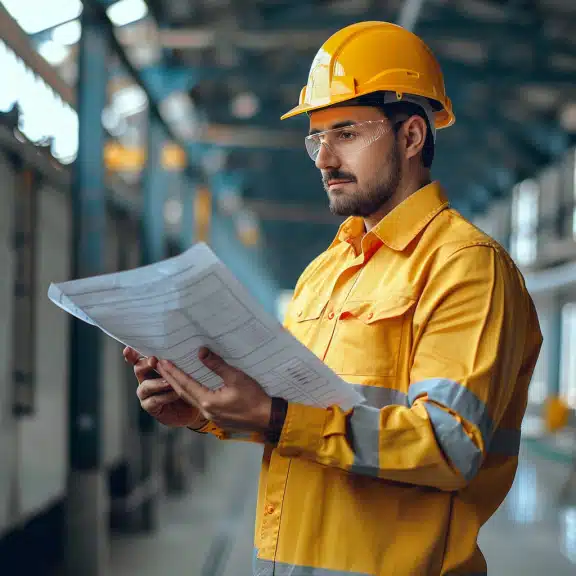
Pressure vessel classification ensures safety, reliability, and efficiency by matching vessel design and materials to operating pressures and environmental conditions. Proper classification, material selection, and adherence to standards like ASME and API are essential for long-term performance across industries.
Pressure Vessel Classification
A pressure vessel, at its core, is a container designed to preserve gases or liquids at a pressure significantly higher or lower than the surrounding ambient pressure. At Red River LLC, we take pride in crafting these vessels with precision and care. Moreover, we ensure they meet the rigorous demands of diverse industries.
The Importance of Correct Pressure Vessel Classification
Correctly classifying pressure vessels is not just a regulatory requirement; it’s a commitment to safety and reliability. Consequently, every vessel we produce plays a pivotal role in the operations of our clients. Whether serving the oil and gas, energy technology, or biogas sectors, proper classification ensures maximum efficiency and safety.
Overview of Pressure Vessel Classification Standards
To guarantee compliance and performance, we adhere to stringent classification requirements, such as those outlined by ASME, PED, and API. In addition, these standards guide our manufacturing process, ensuring that each pressure vessel meets the highest benchmarks of safety and quality.
Material Considerations in Pressure Vessel Classification
Carbon Steel Pressure Vessel Classification
Our carbon metallic vessels are renowned for their sturdiness and versatility. As a result, they cater to a wide range of industrial needs, proving their reliability across diverse applications.
Pressure Vessel Classification: Stainless Steel and Alloy Vessels
For applications requiring corrosion resistance and superior strength, our stainless steel and alloy vessels provide the ideal solution. Therefore, these vessels are the go-to choice for industries needing durability and dependability.
Non-Metallic Pressure Vessel Classification
Innovating with non-steel materials, we cater to specialized needs. For instance, our non-metallic vessels are lightweight yet sturdy, presenting the perfect combination of strength and versatility.
Material Grade and Pressure Vessel Classification Ratings
We meticulously select fabric grades and ensure that pressure ratings align with industry standards. Consequently, this attention to detail guarantees the integrity and performance of every vessel we produce.
Classifying by using Pressure Vessel Classification Ratings
Pressure Vessel Classification: Low-Pressure Vessels
Our low-pressure vessels are specifically designed for safety and efficiency. Additionally, they are ideal for applications that require handling less demanding loads.
Medium-Pressure Vessels: Pressure Vessel Classification
Balancing energy and functionality, our medium-pressure vessels offer flexibility and dependability. As a result, they cater to a variety of industrial uses.
Pressure Vessel Classification: High-Pressure Vessels
For industries requiring vessels to withstand excessive pressures, our high-pressure solutions are engineered to excel. Therefore, they remain a top choice for operations requiring maximum durability.
Pressure Vessel Classification: Ultra-High-Pressure Vessels
In the realm of extremely high pressures, our ultra-high-pressure vessels stand out. Moreover, they symbolize resilience and advanced design, ensuring unparalleled reliability.
Need a reliable partner?
Red River specializes in the design and manufacturing of pressure vessels. We also fabricate related items such as prefabricated spools and skid packages.
Reach Out to us today and experience the Red River difference. Where American Made and American Values come together, we care more.
Frequently Asked Questrion
1. What elements decide the lifespan of a pressure vessel?
The lifespan of a pressure vessel is influenced by several factors, consisting of the first class of substances used, the surroundings wherein it operates, adherence to upkeep schedules, and the nature of the substances it holds. Regular inspections and protection are important for figuring out ability issues early and increasing the vessel’s carrier existence. Additionally, using vessels within their designed pressure and temperature limits is crucial for longevity.
2. How do environmental conditions affect pressure vessel design?
Environmental situations play a large position in pressure vessel design. Factors including ambient temperature, humidity, and publicity to corrosive materials can impact material choice and layout specifications. For example, vessels utilized in marine environments require corrosion-resistant materials, at the same time as those in colder climates may want substances that can resist low temperatures without turning into brittle.
3. Can pressure vessels be custom-designed for precise enterprise desires?
Absolutely. Pressure vessels can be custom-designed to satisfy particular industry requirements. This includes customizing size, shape, fabric, inner lining, and extra functions like heating or cooling jackets. Customization ensures that the vessel now not best meets the protection and regulatory requirements but also aligns perfectly with the unique operational wishes of an industry.
4. What are the most commonplace motives for pressure vessel failure, and the way can they be prevented?
The most common reasons for pressure vessel failure consist of corrosion, cloth fatigue, improper operation, and insufficient upkeep. To save you those problems, it is vital to pick the proper substances, adhere to the right operational methods, behavior normal inspections, and carry out timely protection. Additionally, operating with a good producer who adheres to stringent pleasant management measures can appreciably lessen the risk of failure.
5. Are there any emerging technologies or substances in pressure vessel production that might be enhancing safety and performance?
Yes, the sector of pressure vessel manufacturing is always evolving with new technology and materials. Innovations together with superior non-unfavorable checking out strategies, clever tracking structures for actual-time pressure and temperature monitoring, and the use of composite substances are enhancing each safety and efficiency. These improvements permit for lighter, stronger vessels with improved corrosion resistance and longer carrier lives.
Key Takeaways
- Pressure vessels are classified by material type (carbon steel, stainless steel, alloys, non-metallic) and pressure rating (low to ultra-high).
- Correct classification ensures compliance with safety standards and maximizes operational efficiency.
- Lifespan and reliability depend on material quality, environmental conditions, maintenance, and proper use.
- Emerging technologies and advanced materials are improving vessel safety, corrosion resistance, and overall performance.
Related Blog Post
Pressure Vessel Design & Engineering: Concept to Launch
What is Pressure Vessel Design and Engineering: Code-Ready Guide
What are the Key Factors in Pressure Vessel Engineering
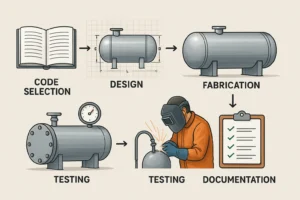
How Do You Design a Pressure Vessel: A Step-By-Step Guide
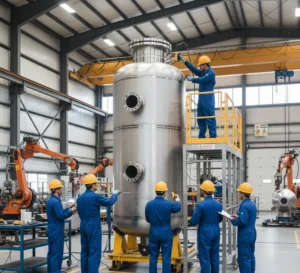
What is Pressure Vessel Fabrication and Manufacturing
- Understanding Pressure Vessel Sizing for Optimal Performance
- Understanding Pressure Vessel Sizing for Optimal Performance
- Understanding the Lifespan of Pressure Vessels: Key Factors & Maintenance
- Understanding the Lifespan of Pressure Vessels: Key Factors & Maintenance
- Understanding Pressure Vessel Failure Criteria
- Understanding the Preferred Failure Theory in Pressure Vessel Design: Reasons and Implications
About Author



