
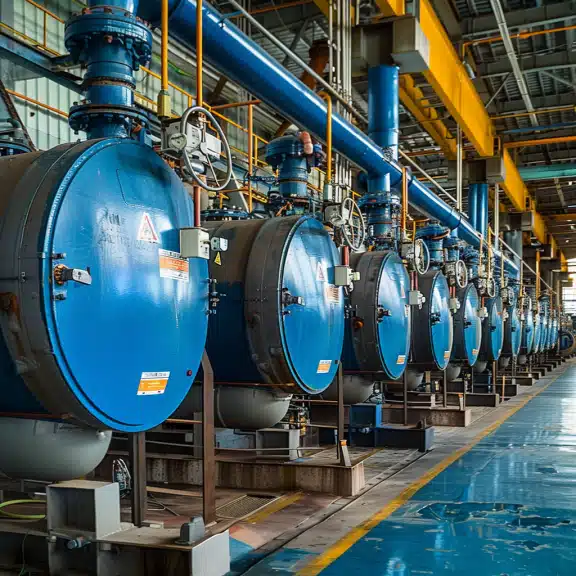
Proper pressure vessel sizing is essential for safety, compliance, and efficient performance across industrial applications. Correct sizing considers pressure requirements, materials, design standards, and operating conditions to avoid costly or dangerous failures.
Correct Pressure Vessel Selection
Choosing the right size for your pressure vessel isn’t only a technical choice; it’s approximately ensuring protection, reliability, and overall performance. At Red River, we prioritize your desires, offering answers that mirror our deep commitment to first-rate and American values like hard work and integrity.
Overview of Pressure Vessel Applications in the Industry
Pressure vessels are pivotal in numerous industries, which include oil and gas, energy generation, and biogas. Understanding their applications helps in deciding on the right size and kind, ensuring they meet the unique demands of every area.
Key Factors Influencing Pressure Vessel Size
Material and Design Considerations
The choice of materials and design directly impacts the dimensions and form of the pressure vessel you need. Our group at Red River is skilled in advising satisfactory materials and designs, considering elements like corrosion resistance and sturdiness.
Pressure Requirements and Safety Standards
Adhering to protection standards, such as ASME necessities, is non-negotiable. We help you understand how pressure necessities affect vessel size, ensuring compliance and protection.
Calculating the Right Size for Your Pressure Vessel
Step-by-Step Guide to Pressure Vessel Sizing
Our specialists provide a detailed manual to calculate the dimensions you need, incorporating elements like volume, pressure, and material.
Utilizing Pressure Vessel Sizing Formulas
We rent advanced formulation and software gear to ensure specific sizing, remove guesswork, and ensure performance.
Types of Pressure Vessels and Size Variations
Horizontal vs. Vertical Pressure Vessels
We discover the blessings of various orientations, supporting you in selecting horizontal and vertical vessels based on area and capability.
Standard Sizes and Custom Solutions
From general sizes to custom designs, Red River gives a variety of options to satisfy numerous enterprise desires.
Need a reliable partner?
Red River specializes in the design and manufacturing of pressure vessels. We also fabricate related items such as prefabricated spools and skid packages.
Reach Out to us today and experience the Red River difference. Where American Made and American Values come together, we care more.
Frequently Asked Questions
1. How does the running environment affect the size and layout of a stress vessel?
The running surroundings play an important role in determining the scale and design of a pressure vessel. Factors along with ambient temperature, humidity, and exposure to corrosive elements can substantially impact material selection and thickness, which in turn impacts the overall size. For instance, vessels intended for harsh environments may require thicker walls or corrosion-resistant substances, potentially leading to large sizes. It’s critical to take into account these environmental elements to ensure the vessel’s toughness and protection.
2. Can the shape of a pressure vessel affect its performance and size necessities?
Absolutely. The shape of a pressure vessel affects its potential to face up to internal pressures and influences its size necessities. Common shapes encompass cylindrical and round vessels. Cylindrical vessels are frequently desired for his or her ease of manufacture and green use of area, but round vessels can provide better distribution of pressure beneath excessive pressure. The desire of form will depend on the specific application, stress requirements, and spatial constraints.
3. What are the results of over-sizing or beneath-sizing a pressure vessel?
Both over-sizing and under-sizing a pressure vessel can have large implications. Over-sizing can lead to needless prices in substances, production, and operation. It may additionally result in inefficient use of area and energy. Under-sizing, on the other hand, may be risky. It might also result in over-pressurization, which could cause vessel failure and pose safety dangers. Correct sizing is essential for operational performance, protection, and price effectiveness.
4. How do pressure vessel codes and requirements affect length and design?
Pressure vessel codes and requirements, such as the ASME Boiler and Pressure Vessel Code, offer suggestions for design, substances, manufacture, and trying out. These requirements ensure vessels are secure and dependable in specific operating situations. They influence size and design by setting minimum necessities for material electricity, wall thickness, corrosion allowances, and protection capabilities. Compliance with those requirements is critical for prison and safety reasons.
5. What role does cloth selection play in determining the scale of a stress vessel?
Material selection is key in determining the dimensions of a stress vessel. Different materials have various electricity, weight, and corrosion resistance, which impact the vessel’s wall thickness and normal dimensions. For instance, more potent substances can permit thinner walls, potentially decreasing the vessel’s size and weight. Conversely, materials with lower power may additionally require thicker partitions, main to larger vessel sizes. Material selection needs to align with the vessel’s supposed use, stress necessities, and environmental conditions to ensure optimum performance and safety.
Key Takeaways:
- Pressure vessel size directly impacts safety, reliability, and operational efficiency.
- Materials, design, and environmental conditions strongly influence vessel dimensions.
- Compliance with standards like ASME is critical when determining vessel size.
- Over-sizing increases costs, while under-sizing creates serious safety risks.
Related Blog Post
Condensate Tanks: Types, Fabrication, and ASME Code
Which Tests Validate Deaeration in Pressure Systems?
Equalization Tanks: Design, Sizing, and Fabrication
What Are Thermal Storage Testing Standards for TES Vessels?
What Hydro Tests Are Required for Pressure Vessels?
- Understanding Pressure Vessel Sizing for Optimal Performance
- Understanding the Lifespan of Pressure Vessels: Key Factors & Maintenance
- ASME Factor for Pressure Vessels
- What ASME Defines as a Pressure Vessel | ASME BPVC Section VIII Guide
- Essential Criteria for Designing a Pressure Vessel
- Preferred Failure Theory in Pressure Vessel Design Explained
About Author



