
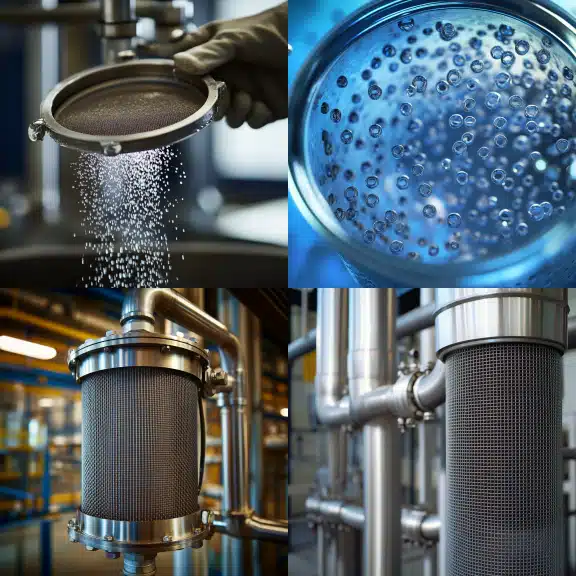
A Coalescing Filter for Industrial Applications plays a critical role in removing oil aerosols, moisture, and fine particulates from compressed air and gas systems. These filters protect downstream equipment such as compressors, pipelines, and pressure vessels, ensuring operational efficiency and long-term reliability.
What Is a Coalescing Filter for Industrial Applications?
A coalescing filter is an essential component in industrial systems designed to remove liquid aerosols and solid contaminants from compressed air or gas streams. By forcing contaminated air through a dense fibrous media, the filter captures tiny droplets, encourages them to merge (coalesce) into larger droplets, and allows these droplets to drain from the housing. This process delivers cleaner, drier air, protecting sensitive equipment and ensuring efficient system performance. Learn more about understanding coalescing filters.
Types of Coalescing Filters Used in Industry
Different industrial environments require specific coalescing filter designs.
High-Efficiency Coalescing Filters
Used in industries requiring extremely clean air, such as:
- Pharmaceutical manufacturing
- Food processing
- Electronics production
These filters remove ultra-fine aerosols and particulates.
Activated Carbon Coalescing Filters
Designed to remove oil vapors and odors in addition to liquid aerosols. Common in:
- Chemical processing
- Paint spraying operations
- High-purity compressed air systems
Depth Media Filters
Built with thick layers of filtration media, these filters handle:
- High contaminant loads
- Heavy industrial applications
- Continuous compressed air systems
Selecting the proper filter type ensures maximum performance and longevity.
How Long Does a Coalescing Filter Last?
The lifespan of a Coalescing Filter for Industrial Applications typically ranges between:
- 6 to 12 months in standard operating conditions
- Shorter intervals in high-contamination environments
- Longer intervals in well-maintained systems with pre-filtration
Actual service life depends on operating conditions, contaminant levels, and maintenance practices
Factors That Affect Coalescing Filter Lifespan
Several variables influence how long a coalescing filter performs effectively.
Quality of Air and Contaminant Load
High levels of oil mist, water vapor, and particulates reduce filter life. The heavier the contamination load, the faster the filter media becomes saturated.
Operating Environment
Environmental conditions directly impact filter durability.
Important factors include:
- Temperature fluctuations
- High humidity levels
- Pressure variations
- Exposure to corrosive substances
Extreme conditions can degrade filter media and reduce efficiency.
Frequency of Use
Systems operating continuously will accumulate contaminants faster than intermittent-use systems.
Continuous operation may require:
- More frequent inspections
- Scheduled element replacements
- Pressure differential monitoring
Monitoring air compressor capacity and air supply and maintaining stable pressure conditions also contribute to longer filter life.
Signs a Coalescing Filter Needs Replacement
Replacing a filter at the right time prevents system inefficiencies.
Common indicators include:
- Increased pressure drop across the filter
- Visible oil or moisture downstream
- Reduced air quality
- System performance decline
Monitoring differential pressure is one of the most reliable maintenance indicators.
Coalescing Filters vs Activated Charcoal Water Filters
It’s important not to confuse industrial coalescing filters with water filters that use activated carbon.
Key Differences
Coalescing Filter for Industrial Applications
- Medium: Fiberglass or synthetic fibers
- Target: Compressed air and gas
- Removes: Oil mist, water droplets, particulates
- Lifespan: 6–12 months (use dependent)
Activated Charcoal Water Filter
- Medium: Activated carbon
- Target: Water systems
- Removes: Chlorine, VOCs, odors
- Lifespan: 3–6 months (water quality dependent)
While both improve fluid purity, they operate in completely different environments and remove different contaminants.
How to Extend the Life of a Coalescing Filter
Proper system design and maintenance can maximize filter longevity.
Best Practices
- Install a pre-filter to remove larger particles
- Maintain stable operating pressure
- Monitor differential pressure regularly
- Drain collected liquids frequently
- Follow manufacturer replacement schedules
Implementing preventive maintenance reduces downtime and safeguards critical equipment, much like essential safety devices in air receivers.
Why Lifespan Matters in Industrial Applications
A properly maintained Coalescing Filter for Industrial Applications ensures:
- Reduced equipment wear
- Lower maintenance costs
- Improved compressed air efficiency
- Protection of downstream pressure vessels
- Compliance with air quality standards
Replacing filters at recommended intervals prevents contamination-related failures and costly shutdowns. For more on protecting your systems, see air-receivers as pressure vessels.
Maximizing the Value of a Coalescing Filter for Industrial Applications
Understanding the service life of a Coalescing Filter for Industrial Applications is essential for maintaining system efficiency and protecting valuable equipment. While most filters last between 6 and 12 months, actual lifespan depends heavily on contamination levels, operating conditions, and maintenance practices.
With proper monitoring, pre-filtration, and scheduled replacements, industrial facilities can extend filter life, reduce operational costs, and maintain consistent air and gas purity.
Partner with Red River for Reliable Filtration Solutions
Ensure your industrial systems operate at peak efficiency with expertly designed Coalescing Filters and related equipment.
Contact Red River today to discuss your specific needs, get customized solutions, and experience the quality and durability of American-made products you can trust.
Frequently Asked Questions
1. What is a coalescing filter used for?
It removes oil aerosols, moisture, and fine particulates from compressed air and gas systems to protect downstream equipment.
2. How long does a coalescing filter last?
Most industrial coalescing filters last 6 to 12 months, depending on contaminant load and operating conditions.
3. Can I clean a coalescing filter instead of replacing it?
Some metal mesh designs can be cleaned, but most industrial coalescing elements are disposable and should be replaced when saturated.
4. What reduces the lifespan of a coalescing filter?
High oil concentration, excessive moisture, unstable pressure, and lack of pre-filtration can shorten filter life.
5. How do I know when my filter needs replacement?
An increased pressure drop, reduced air quality, or visible downstream contamination are common indicators.
Key Takeaways
- A Coalescing Filter for Industrial Applications removes oil mist, moisture, and particulates from compressed air.
- Typical lifespan ranges from 6–12 months.
- Air quality, operating conditions, and usage frequency impact longevity.
- Monitoring pressure drop helps determine replacement timing.
- Preventive maintenance extends filter life and protects industrial equipment.
Related Blog Post
Can Condensate Storage Improve Reliability?
Where Do Condensate Tanks Fit in a Steam System?
Which Nozzles Simplify Maintenance on Pressure Vessels?
How to Vent Condensate Tanks in Steam Systems
How Do Baffle Layouts Affect Stratification in TES Tanks?
- Understanding Coalescing: What It Means and Its Importance
- Introduction to Coalescing Filters
- Coalescing Oil Separators: How They Work, Benefits & Applications
- Coalescing vs. Desiccant Filtration: Key Differences Explained
- The Importance of Filtration in Industrial Applications
- Coalescing Plate Separators: How They Work and Industrial Applications
About Author



