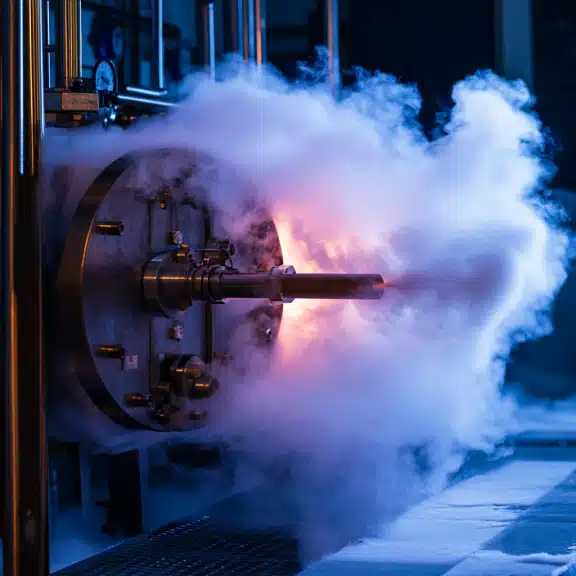
The Basics of Cryogenic Tank Pressurization
Cryogenic tank pressurization is critical for ensuring safety and efficiency in industrial storage systems. Pressurization is critical in maintaining the steadiness of cryogenic beverages. At Red River, we design our tanks to ensure they can withstand the pressures required to preserve these materials in their liquid state. Consequently, this prevents vaporization and ensures both safety and performance.
How Pressurization Maintains Cryogenic Temperatures
Our advanced manufacturing strategies allow for precise control over tank pressurization. Therefore, it becomes essential for maintaining the low temperatures needed for cryogenic storage. This meticulous attention to detail ultimately guarantees the longevity and reliability of our tanks.
The Role of Insulation in Cryogenic Tanks
Insulation plays a vital role in preventing heat transfer and maintaining the internal temperature of a cryogenic tank. As a result, Red River utilizes modern materials and design techniques to maximize insulation performance. Moreover, this approach reduces the need for frequent depressurization and enhances overall safety.
Types of Cryogenic Tank Pressurization
Pressurized vs. Non-Pressurized Cryogenic Tanks
Understanding the differences between these tank types is crucial when deciding on the appropriate storage solution. For instance, Red River offers both options, providing customers with the flexibility to select the best fit for their specific needs.
Vacuum Insulated Cryogenic Storage Tanks
Our vacuum-insulated tanks constitute the pinnacle of cryogenic garage efficiency. By minimizing warmth transfer, these tanks maintain the most desirable temperatures for prolonged durations, ensuring the protection and integrity of stored substances.
Cryogenic Liquid Cylinders
For clients requiring mobility and smaller storage answers, our cryogenic liquid cylinders offer a suitable balance of portability and performance. Manufactured with an equal commitment to first-rate and safety, those cylinders meet the various needs of our clients.
Cryogenic Tank Pressurization Design and Construction
Materials Used in Cryogenic Tank Manufacturing
We select the finest materials for our cryogenic tanks to ensure sturdiness, safety, and compliance with industry standards. Furthermore, our expertise in materials and technological know-how allows us to tailor solutions to meet the specific needs of each client.
Design Features for Safety and Efficiency
Safety and efficiency are central to every design choice we make. For example, from insulation to pressure control, every component of our tanks is optimized to meet the rigorous demands of cryogenic storage. As a result, our tanks consistently deliver reliable performance.
Innovations in Cryogenic Tank Construction
Our dedication to innovation is evident in every tank we produce. By embracing new technologies and production techniques, Red River continues to set the standard for cryogenic tank manufacturing. Moreover, this commitment ensures we remain at the forefront of the industry.
Need a reliable partner?
Red River specializes in the design and manufacturing of pressure vessels. We also fabricate related items such as prefabricated spools and skid packages.
Reach Out to us today and experience the Red River difference. Where American Made and American Values come together, we care more.
FAQ: Understanding Cryogenic Tanks and Pressurization
How do cryogenic tanks fluctuate from general pressure vessels?
Cryogenic tanks are specialized pressure vessels designed to keep and deliver gases at extraordinarily low temperatures, commonly beneath -150°C. Unlike widespread pressure vessels, which might also maintain gases or beverages at diverse temperatures and pressures, cryogenic tanks are particularly engineered to maintain the structural integrity and protection of the stored substances in a cryogenic country.
What safety capabilities are essential for a cryogenic tank?
Safety functions in cryogenic tanks include robust insulation systems, pressure relief valves, and vacuum jackets. These components work together to prevent immoderate pressure build-up and ensure thermal performance. Pressure alleviation valves are critical as they routinely release gas if the pressure exceeds safe limits, stopping capacity tank rupture.
Can cryogenic tanks keep any sort of fuel?
Cryogenic tanks are by and large designed for gases that remain liquid at very low temperatures, along with nitrogen, oxygen, argon, and liquefied herbal gasoline (LNG). Not all gases are appropriate for cryogenic garages; for instance, gases with very low boiling factors at atmospheric pressure, such as helium and hydrogen, require specialized cryogenic tanks designed to deal with their specific residences.
How is the pressure in a cryogenic tank regulated?
The pressure internal of a cryogenic tank is regulated through a combination of design features and operational controls. Pressure comfort valves and burst disks are established to launch gas if the pressure exceeds predetermined limits. Additionally, evaporators can be used to soundly increase the pressure by way of warming a part of the liquid to fuel, which is particularly useful in the course of the withdrawal of the contents.
What are the environmental considerations in designing and operating cryogenic tanks?
Environmental issues include minimizing thermal losses to reduce electricity consumption for refrigeration and ensuring the substances and approaches used in the manufacture and operation of cryogenic tanks are sustainable. Designing tanks with high-performance insulation reduces the environmental footprint by way of reducing the quantity of liquid gasoline that evaporates.
Related Blog Post
Condensate Tanks: Types, Fabrication, and ASME Code
Which Tests Validate Deaeration in Pressure Systems?
Equalization Tanks: Design, Sizing, and Fabrication
What Are Thermal Storage Testing Standards for TES Vessels?
What Hydro Tests Are Required for Pressure Vessels?
About Author